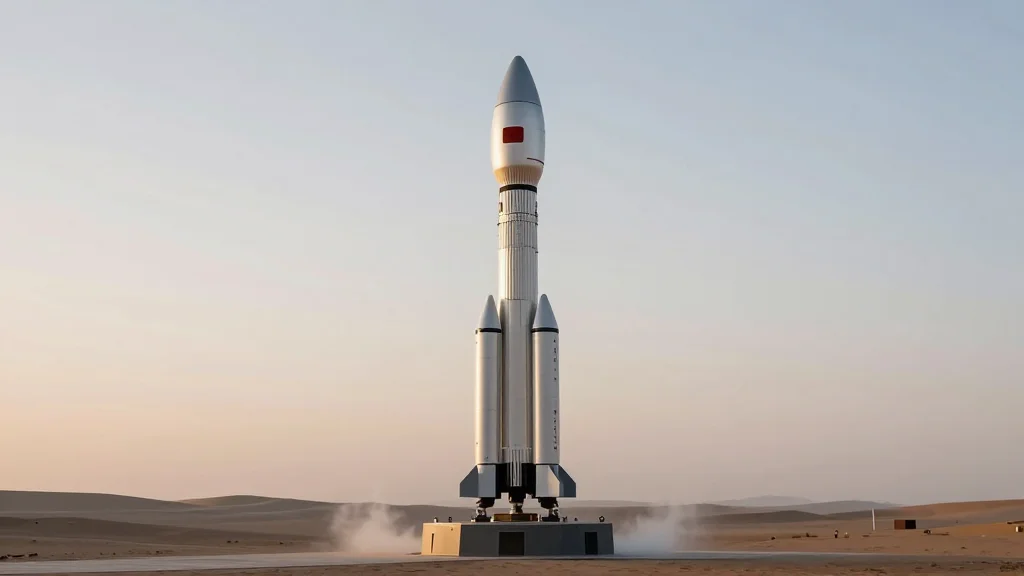
China Successfully Completes Maiden Launch of Its Long March 12B Rocket
Companies Mentioned
Why It Matters
The unannounced launch demonstrates China’s accelerating pace in both launch frequency and satellite‑constellation deployment, intensifying competition with SpaceX’s Starlink. Reusability ambitions could reshape debris management and lower launch costs globally.
Key Takeaways
- •Long March 12B lifted off unannounced from Jiuquan
- •First flight deployed Qiafan internet satellites, targeting 12,000 total
- •Launch lacked standard NOTAM warnings, raising safety concerns
- •China aims to make first stage reusable, reducing debris
Pulse Analysis
China’s surprise debut of the Long March 12B underscores a strategic shift toward more frequent, high‑capacity launches. The 12‑ton payload capability places the vehicle among the world’s most powerful rockets, complementing the country’s existing Long March family. By forgoing traditional NOTAM alerts, the launch raised eyebrows among aviation safety experts, suggesting a willingness to prioritize operational secrecy over established protocols. This approach may signal a broader trend of rapid, low‑visibility test flights as Beijing seeks to close the gap with Western launch providers.
The Qiafan (SpaceSail) constellation, now exceeding 200 satellites, is positioned as a direct challenger to SpaceX’s Starlink and LeoSat networks. With an ultimate goal of 12,000 satellites, the Chinese effort aims to capture a sizable share of the burgeoning global broadband‑from‑space market, especially in underserved regions. The current target of 648 satellites by year‑end reflects an aggressive deployment schedule that could pressure pricing and service standards across the sector, prompting incumbents to accelerate their own rollout plans.
Reusability is a cornerstone of the Long March 12B’s long‑term vision, promising to mitigate the debris problem that has plagued previous generations of expendable rockets. Although the first stage’s impact zone was not disclosed, Chinese officials claim future flights will recover and refurbish the booster, echoing SpaceX’s model. In the 2026 launch race, China’s 32 launches trail SpaceX’s 64 but outpace Russia and Rocket Lab, indicating a competitive but still secondary position. Continued advancements in payload capacity and reusable technology could shift this balance, influencing launch pricing, satellite supply chains, and international regulatory discussions.
China successfully completes maiden launch of its Long March 12B rocket
Comments
Want to join the conversation?
Loading comments...