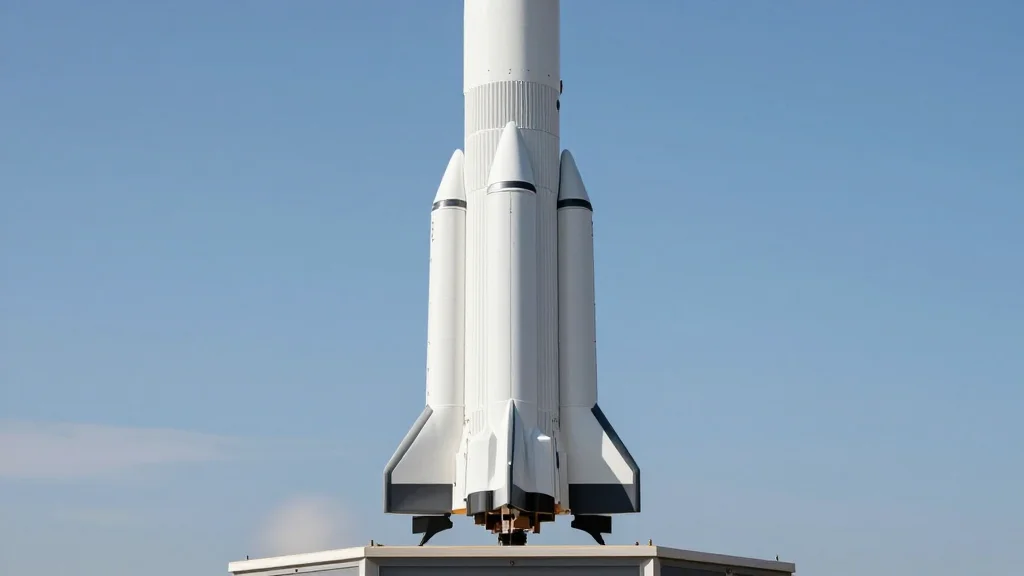
China’s Lijian‑1 Y12 Rocket Sends Eight Satellites Into Orbit, Marking 12th Mission

Companies Mentioned

Why It Matters
The Lijian‑1 Y12 launch demonstrates China’s capacity to scale commercial launch operations at a speed previously seen only in a handful of private firms. By shortening the build‑to‑launch cycle to one month and planning sea‑based launches, CAS Space is positioning itself to meet the exploding demand for low‑cost, high‑frequency microsatellite deployments. This capability could shift the balance of launch market share toward China, especially for customers seeking rapid constellation replenishment. Geopolitically, the launch underscores Beijing’s intent to leverage commercial space as a tool of soft power. Offering launch services to foreign entities not only generates revenue but also deepens technological ties, potentially offsetting Western sanctions or export controls. The move may also accelerate the development of indigenous satellite constellations for communications, navigation, and Earth observation, enhancing China’s strategic autonomy in space.
Key Takeaways
- •Lijian‑1 Y12 rocket launched on April 14, 2026, deploying eight satellites.
- •The mission was the 12th flight of the Lijian‑1 series, which has lofted >90 satellites and >12 tonnes of payload.
- •CAS Space can produce over ten rockets annually, with a one‑month assembly and testing cycle.
- •First sea‑based launch is planned for early 2027, expanding launch flexibility.
- •The launch reinforces China’s push to dominate the microsatellite market valued at >$30 billion by 2030.
Pulse Analysis
CAS Space’s rapid‑turnover model mirrors the lean‑manufacturing ethos that propelled SpaceX to market leadership, yet it operates within a distinct geopolitical framework. By integrating state‑backed research institutions with commercial execution, China can subsidize development costs while still offering competitive pricing to international customers. This hybrid approach may allow CAS Space to undercut rivals on price without sacrificing reliability, a combination that could attract emerging satellite operators from Asia, Africa, and Latin America.
Historically, China’s launch sector has been dominated by state entities such as the China Aerospace Science and Technology Corporation (CASC). The emergence of a commercial player capable of monthly launch cadence signals a structural shift, potentially prompting policy adjustments that grant private firms greater access to orbital slots and frequency allocations. If the upcoming sea‑based launch succeeds, it will place China among a select group of nations—primarily the United States and Russia—capable of maritime launch operations, further diversifying its launch portfolio.
Looking forward, the key question is whether CAS Space can sustain its accelerated schedule without compromising safety or quality. The microsatellite market’s growth is undeniable, but it is also becoming crowded, with new entrants from India, Japan, and Europe vying for the same customers. CAS Space’s success will hinge on its ability to deliver consistent launch windows, maintain low costs, and navigate the complex web of export controls that govern dual‑use space technology. If it does, China could secure a lasting foothold in the commercial launch arena, reshaping the competitive dynamics for years to come.
China’s Lijian‑1 Y12 Rocket Sends Eight Satellites Into Orbit, Marking 12th Mission
Comments
Want to join the conversation?
Loading comments...