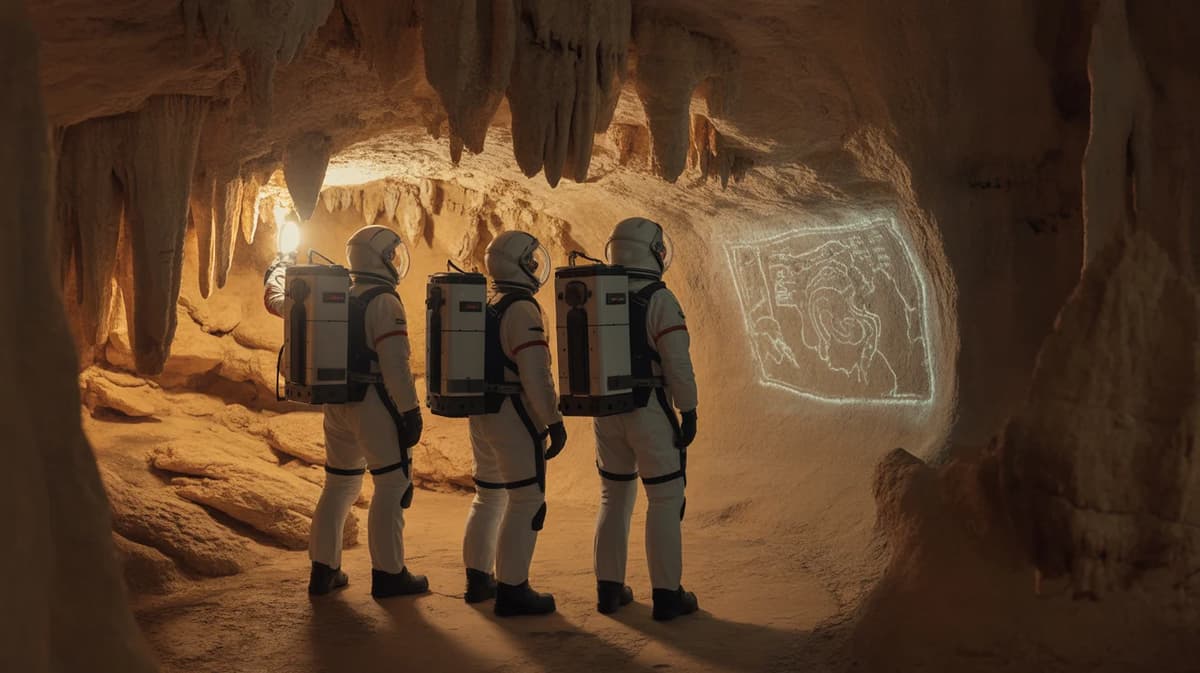
Chinese Astronauts Hone Extreme Cave Survival Skills
•January 8, 2026
0
Why It Matters
The training showcases China’s commitment to extreme‑environment preparedness, a critical capability for upcoming lunar bases and long‑duration spaceflight.
Key Takeaways
- •28 astronauts finished month‑long cave survival training.
- •Training simulated isolation, darkness, cold, high humidity.
- •Exercises targeted risk response, teamwork, psychological resilience.
- •Program supports future lunar and deep‑space missions.
- •China will expand similar training for new recruits.
Pulse Analysis
Cave‑survival exercises provide a rare analog for the isolation, confinement, and environmental extremes that astronauts will face on the Moon or Mars. By immersing crews in dark, humid tunnels with limited communication, China replicates sensory deprivation and resource‑scarcity scenarios that are difficult to simulate in conventional labs. The physical demands of climbing, rappelling, and maintaining equipment under cold conditions also test endurance and procedural discipline, sharpening the skills needed for emergency extravehicular activities and habitat construction in off‑world settings.
China’s focus on such high‑intensity analog training aligns with its broader lunar ambition, including the Tiangong space station and the planned International Lunar Research Station. While NASA and ESA have long used underground facilities like NASA’s Haughton Mars Project, China’s program signals a strategic push to develop indigenous expertise in crew psychology and team dynamics. The inclusion of detailed psychological drills reflects growing awareness that mental health is as vital as technical proficiency for missions lasting months or years, especially when crews operate far from Earth’s support networks.
The ripple effects extend beyond government programs. Commercial operators eyeing lunar tourism or resource extraction will need crews capable of handling unexpected terrain or capsule‑landing emergencies. Training that teaches shelter building, water procurement, and self‑rescue in unfamiliar environments could become a standard certification for private‑sector astronauts. As more nations and companies plan deep‑space ventures, the lessons from China’s cave‑survival drills will inform global best practices for resilience, risk mitigation, and crew performance under the most demanding conditions.
Chinese astronauts hone extreme cave survival skills
0
Comments
Want to join the conversation?
Loading comments...