Cislunar Space: The Next Strait of Hormuz Situation?
Why It Matters
Cislunar dominance could dictate access to critical satellite services, affecting global finance, communications, and semiconductor production. Recognizing and securing this domain now may prevent future geopolitical crises in space.
Key Takeaways
- •U.S. Space Force creates office to assess cislunar warfighting value
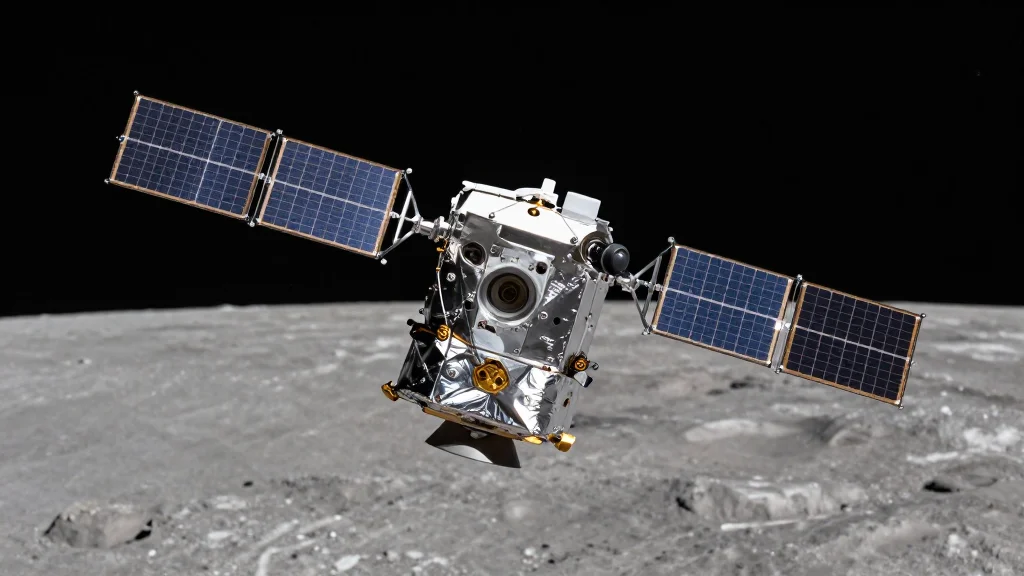
- •Cislunar domain awareness spacecraft will monitor lunar-orbital traffic
- •Potential blockades could disrupt satellite supply chains and semiconductor production
- •Experts warn space chokepoints may mirror Strait of Hormuz geopolitical risks
Pulse Analysis
The emergence of a dedicated acquisition office signals that the United States views the cislunar environment as the next frontier for military strategy. By formalizing assessments of lunar‑orbit assets, the Space Force aims to integrate space‑based logistics, communications, and surveillance into conventional war‑fighting doctrines. This institutional focus will likely accelerate the deployment of domain‑awareness satellites, which can track debris, monitor potential adversary maneuvers, and protect the increasingly congested traffic lanes that support everything from GPS to broadband constellations.
Comparisons to the Strait of Hormuz are more than rhetorical; both regions serve as narrow passages that control the flow of high‑value commodities. In cislunar space, the commodities are data streams, navigation signals, and the raw materials for semiconductor fabs that rely on precise timing. A blockade—whether through kinetic anti‑satellite weapons, cyber interference, or denial‑of‑service tactics—could cripple global supply chains, inflating costs for everything from smartphones to automotive chips. The economic ripple effect would echo the oil‑price spikes seen when ships were halted in the Hormuz corridor, underscoring the need for resilient, diversified space infrastructure.
Policymakers now face a dual challenge: develop technical capabilities for real‑time cislunar monitoring while forging international norms that prevent the militarization of this shared domain. Collaborative frameworks, akin to maritime freedom‑of‑navigation agreements, could mitigate escalation risks and ensure that space remains a conduit for commerce rather than a battlefield. As commercial lunar missions and deep‑space mining projects gain momentum, early investment in domain awareness and diplomatic outreach will be crucial to shaping a stable, open cislunar environment for the next generation of global trade.
Cislunar Space: The Next Strait of Hormuz Situation?
Comments
Want to join the conversation?
Loading comments...