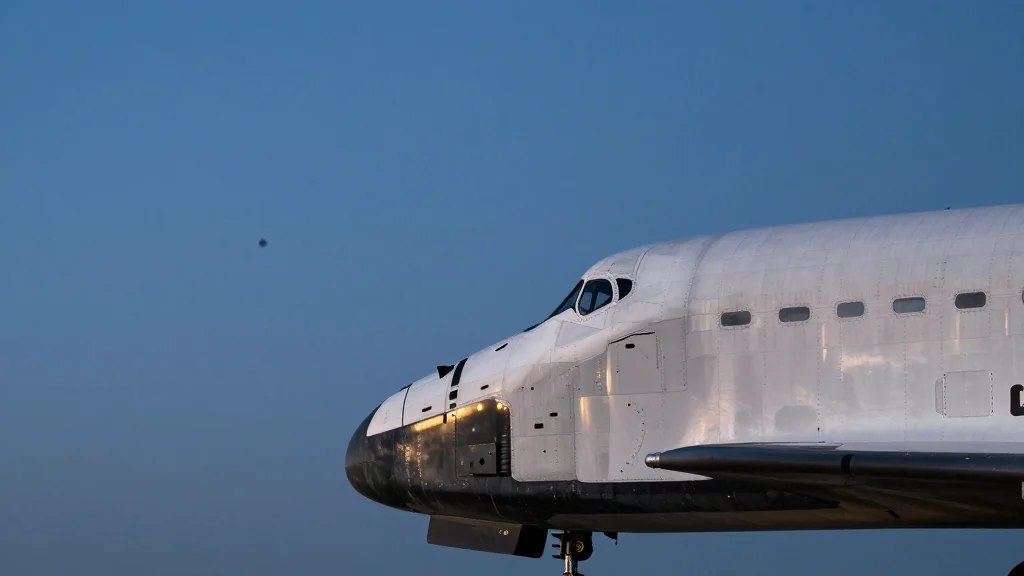
CNSA Unveils Aggressive 2026 Space Mission Roadmap, Including Tianwen‑2 Asteroid Flyby

Why It Matters
The 2026 roadmap marks a pivotal moment for China's space program, shifting from incremental progress to a high‑tempo, multi‑domain strategy. By coupling deep‑space science missions with reusable‑rocket development and commercial satellite expansion, CNSA is building a diversified portfolio that can sustain long‑term growth and reduce reliance on single‑use launch vehicles. This approach not only strengthens China's position in the global exploration race but also creates a domestic market for commercial space services, potentially reshaping supply chains and investment flows. Internationally, the schedule intensifies competition with the United States, Europe and emerging private players. Demonstrated capability in asteroid sample return and reusable launch technology could influence future partnerships, technology transfer negotiations, and geopolitical dynamics surrounding space resource utilization and lunar settlement plans.
Key Takeaways
- •Tianwen‑2 will perform a close‑approach flyby of asteroid 2016 HO3 in 2026, China's first asteroid sample‑return mission.
- •Shenzhou‑23 crewed launch scheduled, adding to 2025's record of four launch and two return missions.
- •Reusable rockets Zhuque‑3 and Long March‑12A to undergo flight‑verification tests after successful maiden flights.
- •Long March‑2D achieves 100 consecutive successful launches, a milestone for launch reliability.
- •China's launch cadence rose 35 % in 2025, reaching 92 missions, indicating rapid capacity growth.
Pulse Analysis
CNSA's 2026 agenda reflects a strategic pivot toward a more integrated space ecosystem. Historically, China's space activities were segmented—exploration, navigation, and commercial services operated in silos. The current roadmap blurs those lines, leveraging the same launch infrastructure for scientific probes, crewed missions and satellite‑internet constellations. This convergence mirrors trends in the U.S. where NASA, the Department of Defense and private firms share launch assets, but China is executing it under a centrally coordinated plan.
The emphasis on reusable launchers is particularly noteworthy. While the United States has already demonstrated operational reusability with SpaceX's Falcon 9, China's Zhuque‑3 and Long March‑12A are still in early testing phases. Successful flight‑verification will be a litmus test for China's ability to lower launch costs and increase cadence, essential for sustaining the projected 35 % growth in launches. If achieved, it could accelerate the commercialization of satellite services, from BeiDou navigation to broadband constellations, creating a domestic market that rivals Western counterparts.
Geopolitically, the roadmap sends a clear message: China intends to be a full‑spectrum space power. The timing aligns with the U.S. Artemis program and Europe's growing lunar ambitions, setting the stage for a multi‑polar race for lunar resources and asteroid mining rights. The upcoming Space Day exhibitions will likely be used to court international partners and showcase technological maturity, potentially shifting the balance of collaboration toward Beijing. The next 12 months will therefore be a critical proving ground for China's ability to translate ambitious planning into reliable, repeatable operations.
CNSA Unveils Aggressive 2026 Space Mission Roadmap, Including Tianwen‑2 Asteroid Flyby
Comments
Want to join the conversation?
Loading comments...