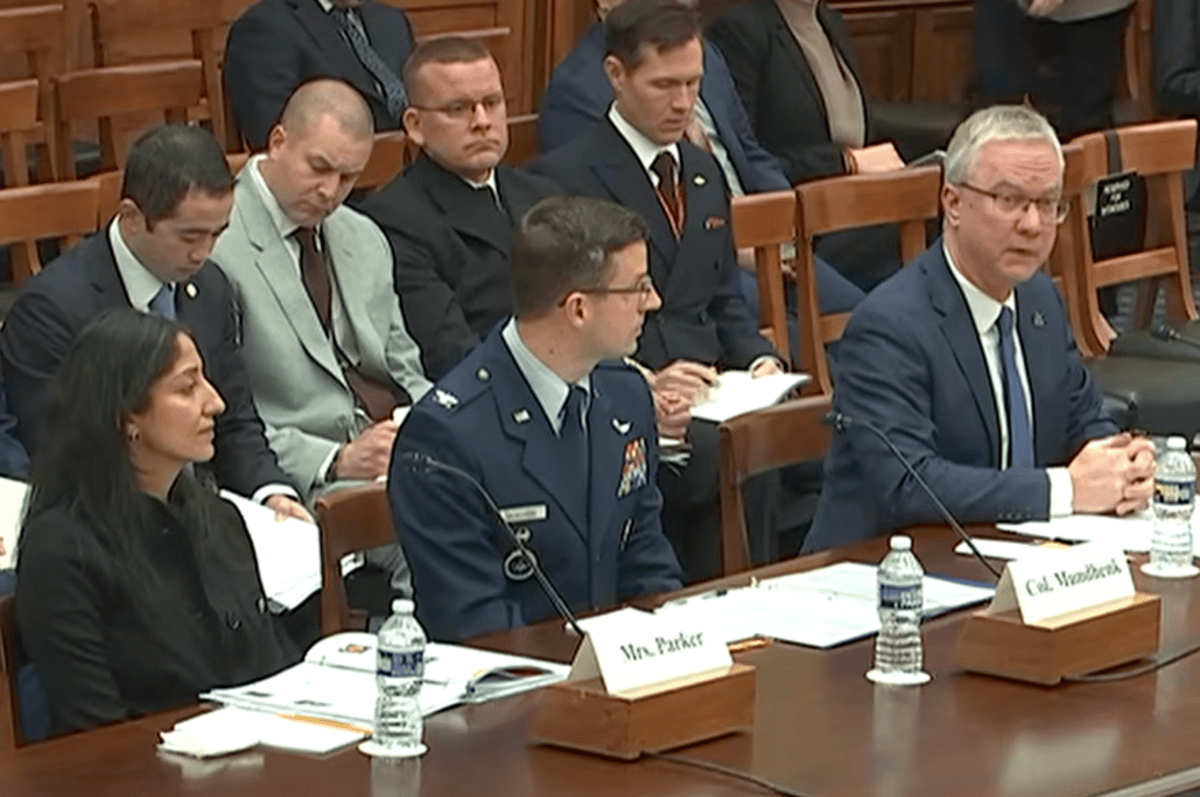
Congressional Hearing Highlights Military’s Reliance on NOAA Weather Data
•January 14, 2026
0
Why It Matters
Military readiness and warfighting advantage hinge on accurate environmental intelligence, making NOAA funding decisions a direct national‑security issue.
Key Takeaways
- •Navy and Air Force depend on NOAA weather data
- •Proposed budget cuts would slash NOAA funding by $1.6B
- •GeoXO program lost ocean color, composition instruments
- •Appropriations bill adds $135M above Trump request
- •Lightning Mapper effectiveness under congressional review
Pulse Analysis
The partnership between NOAA and the U.S. armed forces has become a cornerstone of modern warfare, where precise meteorological and oceanographic forecasts shape everything from flight routes to naval maneuvers. By ingesting satellite‑derived data, the Navy gains a tactical edge in navigation and threat assessment, while the Air Force leverages atmospheric insights to exploit weather‑induced dilemmas against adversaries. This symbiotic relationship underscores how civilian scientific agencies now serve as force multipliers in the defense ecosystem.
Budgetary pressures, however, threaten to erode that advantage. The Trump administration’s request to trim NOAA’s budget by roughly 25 percent would force the agency to prioritize core public‑safety missions, sidelining research‑oriented instruments such as ocean‑color sensors and atmospheric composition payloads within the GeoXO constellation. The cancellation of these components could diminish the granularity of data that military planners rely on for climate‑sensitive operations, potentially widening the gap between civilian observation capabilities and defense needs.
Congressional action offers a partial remedy. The recent appropriations package restores funding levels near 2025 levels and earmarks an extra $135 million for next‑generation satellite development, signaling bipartisan recognition of NOAA’s strategic value. Yet the package leaves the ultimate scope of GeoXO and the pending Lightning Mapper assessment ambiguous, leaving the defense community to watch closely how future funding allocations will shape the next wave of environmental intelligence tools.
Congressional hearing highlights military’s reliance on NOAA weather data
0
Comments
Want to join the conversation?
Loading comments...