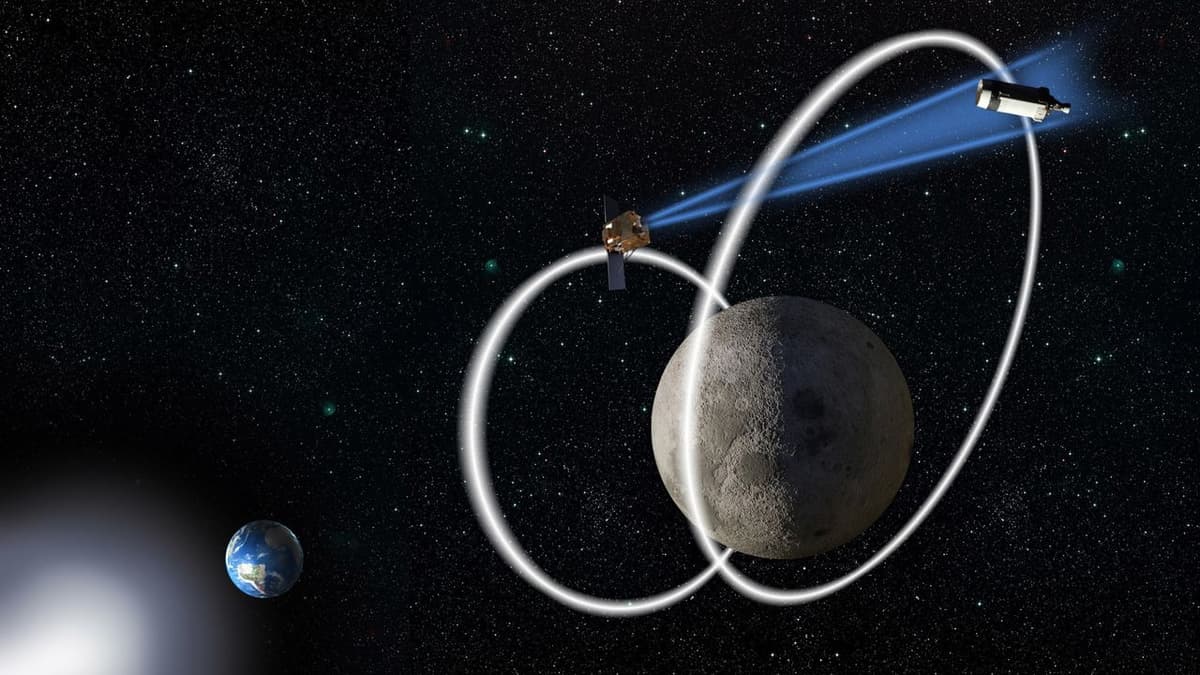
Could the Moon Ever Be Blockaded? Experts Predict Cislunar Space Could Be the Next Strait of Hormuz
Why It Matters
A disruption in cislunar traffic would threaten emerging lunar industries and national security, potentially reverberating through global supply chains and the nascent space economy.
Key Takeaways
- •U.S. Space Force creates cislunar acquisition office for warfighting
- •Artemis missions accelerate lunar habitat and infrastructure plans
- •Experts warn blockades could cripple future $trillion lunar economy
- •Key lunar orbits and poles identified as strategic chokepoints
- •Moon‑sourced data centers could supply 500‑1,000 TW of AI power
Pulse Analysis
The comparison between the Strait of Hormuz and cislunar space is more than a rhetorical flourish; it reflects a growing consensus among defense analysts that the narrow transit corridors surrounding the Moon will soon be contested terrain. The U.S. Space Force’s new acquisition office and the Air Force Research Laboratory’s Cislunar Highway Patrol System (CHPS) signal a shift from passive monitoring to active control of the region. By mapping high‑value orbital pathways and establishing surveillance constellations, the military aims to deter hostile actors from exploiting the same geographic bottlenecks that once crippled oil shipments.
Beyond security, the economic stakes are staggering. Proponents of lunar development envision a multi‑trillion‑dollar ecosystem that harvests water ice, rare earth minerals, and even builds massive AI data centers powered by lunar‑derived energy. Peter Garretson notes that transporting the bulk of data‑center infrastructure from the Moon could slash launch costs dramatically, enabling 500‑1,000 terawatts of computing power annually. Such capabilities would underpin everything from climate modeling to autonomous manufacturing, turning the Moon into a critical node in the global digital supply chain. The concentration of these assets at specific poles, equatorial orbits, and Lagrange points creates natural choke points that, if blocked, could ripple through terrestrial markets.
These scenarios underscore the urgent need for an international governance framework that balances commercial ambition with security imperatives. Without clear norms, rival powers could weaponize cislunar access, mirroring the economic shockwaves seen when the Hormuz Strait was closed. Policymakers must therefore craft treaties that define permissible behavior, establish shared surveillance protocols, and ensure that the lunar economy remains a collaborative venture rather than a flashpoint for conflict. Proactive regulation will be essential to safeguard both the emerging space market and broader geopolitical stability.
Could the moon ever be blockaded? Experts predict cislunar space could be the next Strait of Hormuz
Comments
Want to join the conversation?
Loading comments...