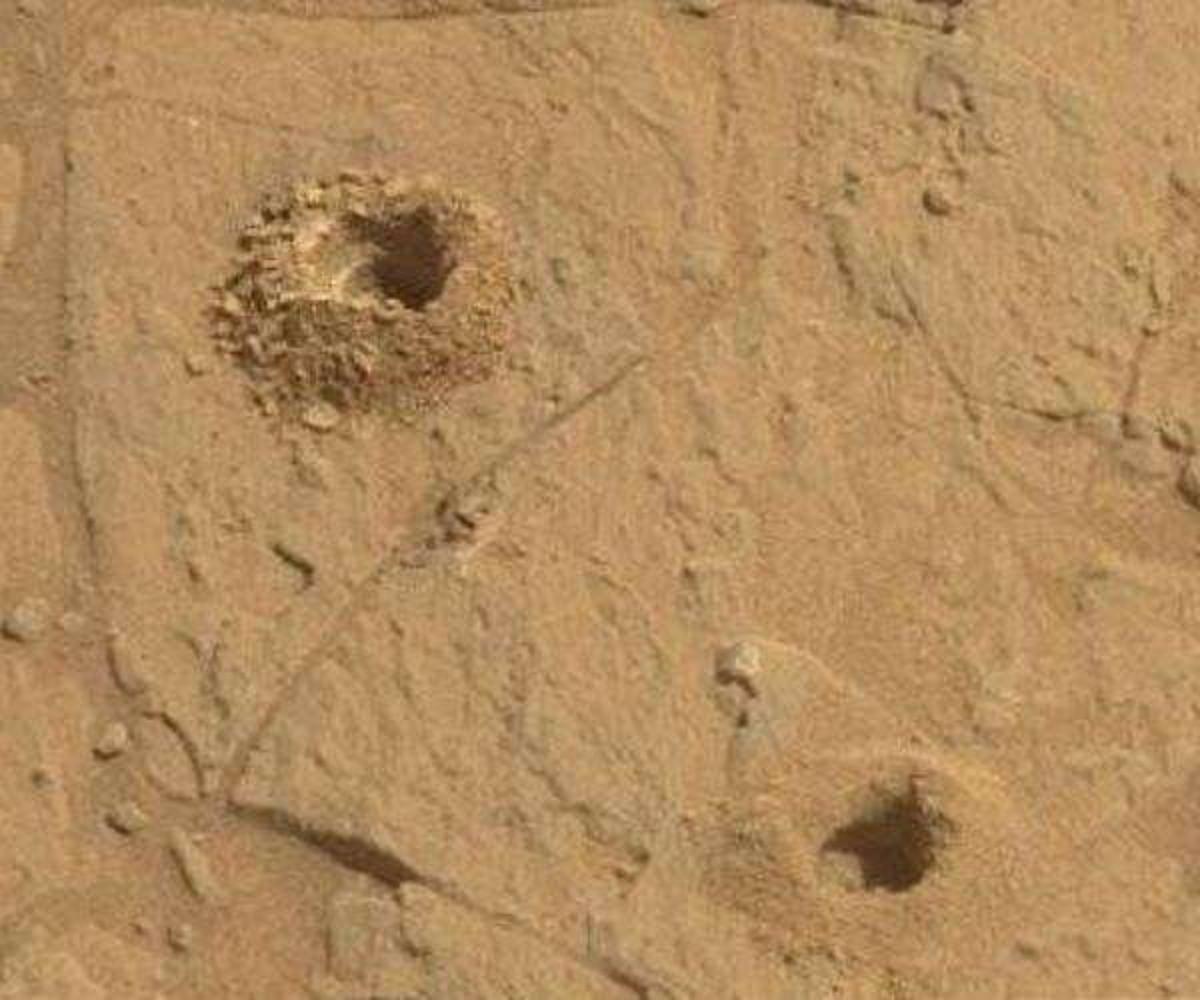
Curiosity Blog, Sols 4798-4803: Back for More Science
•February 19, 2026
0
Why It Matters
The coordinated use of TMAH‑enhanced SAM analysis and complementary instruments deepens our ability to detect organic compounds and assess habitability, informing both current science and future sample‑return missions.
Key Takeaways
- •Second TMAH vial applied to drill powder.
- •SAM analysis pending, second phase scheduled weekend.
- •ChemCam targeted drill interior and bright white rock.
- •Atmospheric dust measured by Navcam and Mastcam.
- •Multiple instruments coordinated for comprehensive site characterization.
Pulse Analysis
Curiosity’s return to the Nevado Sajama drill site underscores the rover’s evolving capability to probe Martian chemistry at a molecular level. By introducing a second dose of tetramethylammonium hydroxide, the Sample Analysis at Mars (SAM) instrument can derivatize otherwise invisible organic molecules, expanding the range of detectable compounds. This chemical trick, first demonstrated in earlier missions, now enables a deeper dive into the mineral matrix, offering a clearer picture of potential biosignatures locked within the rock’s fine‑grained powder.
The operation was not limited to chemistry; it leveraged a full suite of onboard instruments to create a holistic view of the environment. ChemCam performed laser‑induced breakdown spectroscopy on the drill‑hole walls and the bright white Tiquipaya rock, while MAHLI and APXS imaged and measured the composition of the surrounding tailings. Simultaneously, Mastcam captured a 360‑degree mosaic of the terrain, and Navcam quantified atmospheric dust loading. Ancillary sensors such as RAD, REMS, and DAN continued their routine monitoring of radiation, weather, and subsurface hydrogen, ensuring that the site’s context is captured alongside the chemical data.
These coordinated observations have broader implications for Mars exploration strategy. Demonstrating that a single rover can execute complex organic detection protocols while simultaneously gathering geological, atmospheric, and environmental data validates the multi‑instrument approach planned for upcoming missions like the Mars Sample Return campaign. The ability to maximize scientific output within tight power budgets not only accelerates our understanding of Mars’ past habitability but also refines target selection for future landers and human explorers, making each sol on the Red Planet increasingly valuable.
Curiosity Blog, Sols 4798-4803: Back for More Science
0
Comments
Want to join the conversation?
Loading comments...