Companies Mentioned

NASA

Jet Propulsion Laboratory
Why It Matters
The antenna’s outage and upcoming upgrades tighten DSN scheduling, impacting both human‑spaceflight communications and time‑critical asteroid radar studies.
Key Takeaways
- •DSS‑14 damaged Sep 16, offline until May 1.
- •Antenna slated for overhaul Aug 2026‑Oct 2028, extending lifespan.
- •Artemis missions increase DSN demand, limiting science time.
- •Researchers shift radar to DSS‑13/Green Bank, ten‑fold sensitivity loss.
- •Full radar needed before asteroid Apophis 2029 flyby.
Pulse Analysis
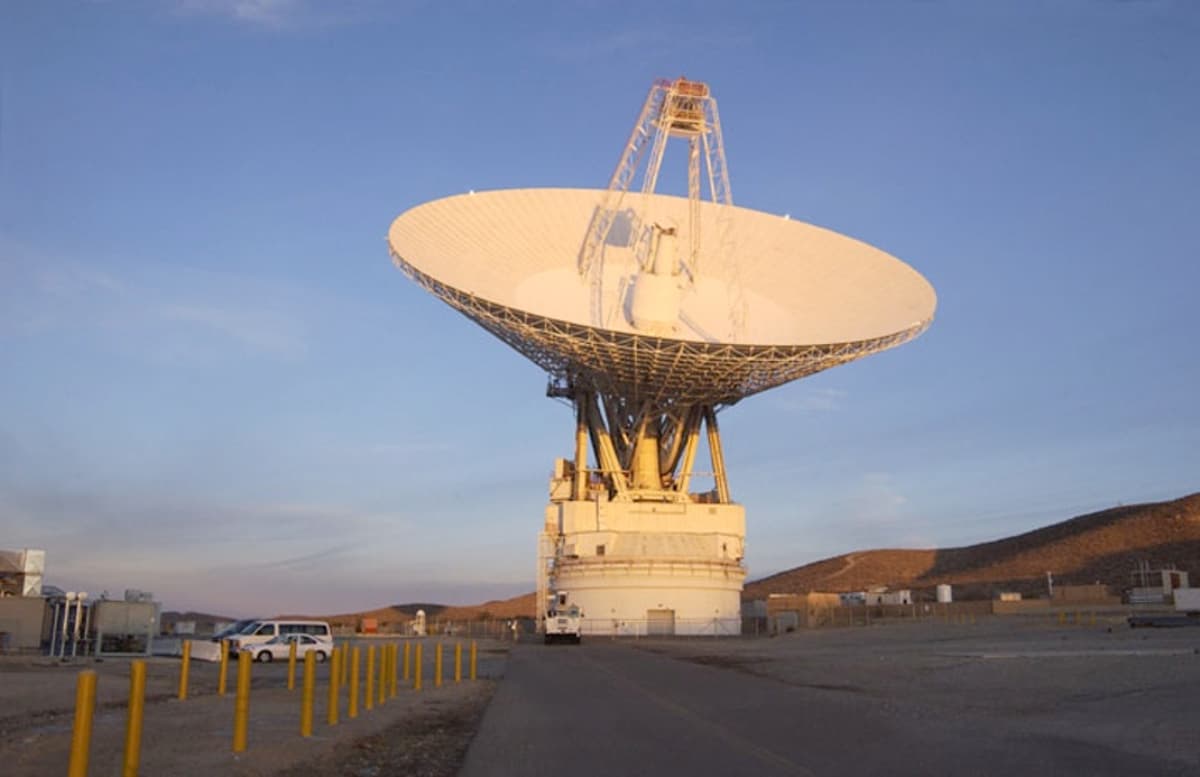
The Deep Space Network’s flagship 70‑meter dish at Goldstone, DSS‑14, is a linchpin for NASA’s interplanetary communications and planetary‑radar science. Its recent mechanical failure—over‑rotation that compromised cabling, piping, and fire‑control hoses—highlights the aging infrastructure that supports missions from Voyager to Mars rovers. While the antenna is slated to resume limited operations on May 1, the broader schedule includes a comprehensive refurbishment beginning in 2026, replacing decades‑old electronics and mechanical components to keep the facility viable for the next half‑century.
Beyond the technical repair timeline, the outage reverberates through NASA’s mission portfolio. Artemis 2’s lunar flyby will demand continuous DSN coverage, echoing the bottlenecks experienced during Artemis 1 when scientific programs lost hundreds of antenna hours. This pressure forces the Science Mission Directorate to negotiate reduced access, prompting a strategic push for DSN modernization funded by human‑spaceflight priorities. The situation underscores a broader industry trend: commercial and governmental stakeholders must balance deep‑space exploration with the need for resilient, high‑capacity communication networks.
In the short term, planetary‑radar scientists are adapting by employing a bistatic configuration: transmitting from DSS‑13 and receiving at Green Bank Observatory. Although this setup offers roughly one‑tenth the sensitivity of DSS‑14, it preserves critical asteroid characterization work ahead of the Apophis close approach in 2029. The interim solution, combined with the planned upgrade, illustrates how NASA leverages both legacy assets and innovative collaborations to maintain scientific momentum while preparing the DSN for an era of intensified human and robotic missions.
Damaged DSN antenna out of service until May
0
Comments
Want to join the conversation?
Loading comments...