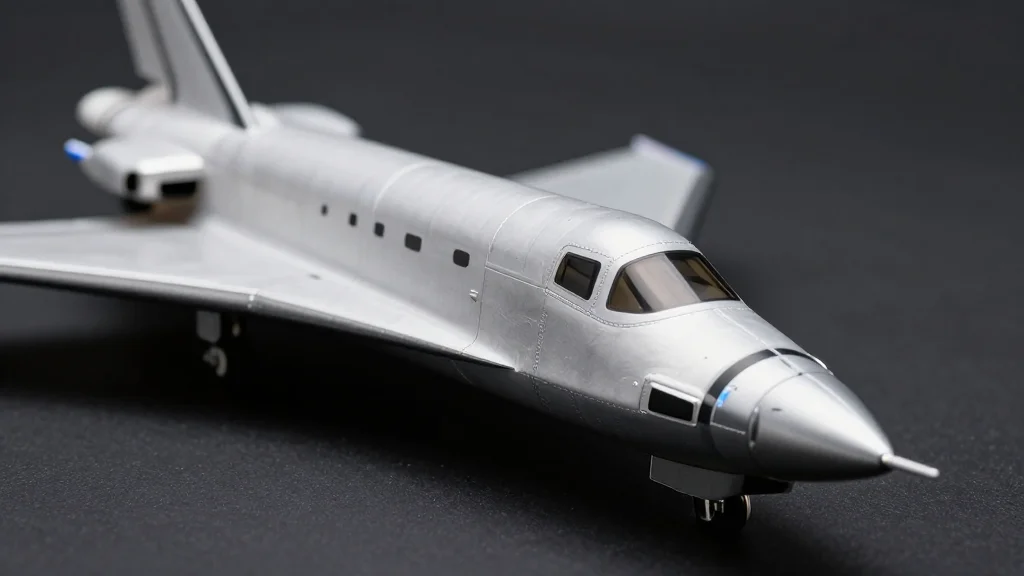
Dassault Aviation and OHB Pitch €30M‑Backed VORTEX‑S Spaceplane to ESA

Companies Mentioned
Why It Matters
The Dassault‑OHB collaboration represents a strategic effort to give Europe a home‑grown reusable spaceplane, a capability that could reduce dependence on U.S. and Russian launch services for cargo return missions. By targeting ESA’s ALADDIN program, the consortium aims to capture a market segment that blends cargo logistics with in‑orbit servicing, potentially opening new revenue streams for European satellite operators. Beyond the immediate contract, the VORTEX roadmap could serve as a technology incubator for advanced materials, autonomous navigation, and rapid turnaround operations. Success would validate the viability of winged, runway‑landing vehicles in the LEO arena and could accelerate Europe’s broader ambitions for a sustainable, reusable launch ecosystem, influencing policy decisions and private‑sector investment across the continent.
Key Takeaways
- •Dassault Aviation and OHB announced a joint VORTEX‑S proposal to ESA on May 11, 2026.
- •The project is backed by €30 million ($33.7 million) from France’s DGA and CNES.
- •VORTEX‑S is a 2:3‑scale reusable spaceplane designed for round‑trip cargo and autonomous free‑flyer missions.
- •ESA’s Phase 2 LEO cargo return competition (ALADDIN) evaluates bids mid‑2026, with Phase 1 contracts worth €25 million each awarded in 2024.
- •If selected, VORTEX‑S could become Europe’s first operational reusable spaceplane, shaping future cargo and crewed variants.
Pulse Analysis
Europe has long lagged behind the United States in reusable launch technology, relying on expendable rockets or foreign partners for cargo return. The Dassault‑OHB VORTEX‑S bid signals a shift toward indigenous winged solutions that could lower per‑kilogram return costs and enable on‑orbit servicing—a capability increasingly demanded by satellite constellations. By leveraging existing aerospace expertise—Dassault’s aircraft heritage and OHB’s space systems pedigree—the consortium reduces development risk compared with greenfield startups.
The €30 million seed funding, while modest, is symbolic of a broader policy pivot. French authorities have publicly lamented the “European spaceplane gap,” and this partnership translates that rhetoric into a concrete industrial effort. If ESA awards a Phase 2 contract, the subsequent funding tranche will likely exceed €100 million, providing the financial runway needed to mature critical subsystems such as thermal protection and autonomous docking. The involvement of Arkadia Space for propulsion on the VORTEX‑D demonstrator further illustrates a growing European supply chain capable of supporting reusable architectures.
From a market perspective, a successful VORTEX‑S would give ESA and its member states a competitive alternative to U.S. capsule‑based return services, potentially capturing a share of the burgeoning LEO logistics market projected to exceed $10 billion by 2030. It could also stimulate private‑sector interest, encouraging European venture capital to back ancillary technologies. Even a loss in the ESA competition would leave a validated design concept and a nascent consortium that could pivot to other ESA calls or commercial customers, keeping Europe’s reusable ambitions alive.
Dassault Aviation and OHB Pitch €30M‑Backed VORTEX‑S Spaceplane to ESA
Comments
Want to join the conversation?
Loading comments...