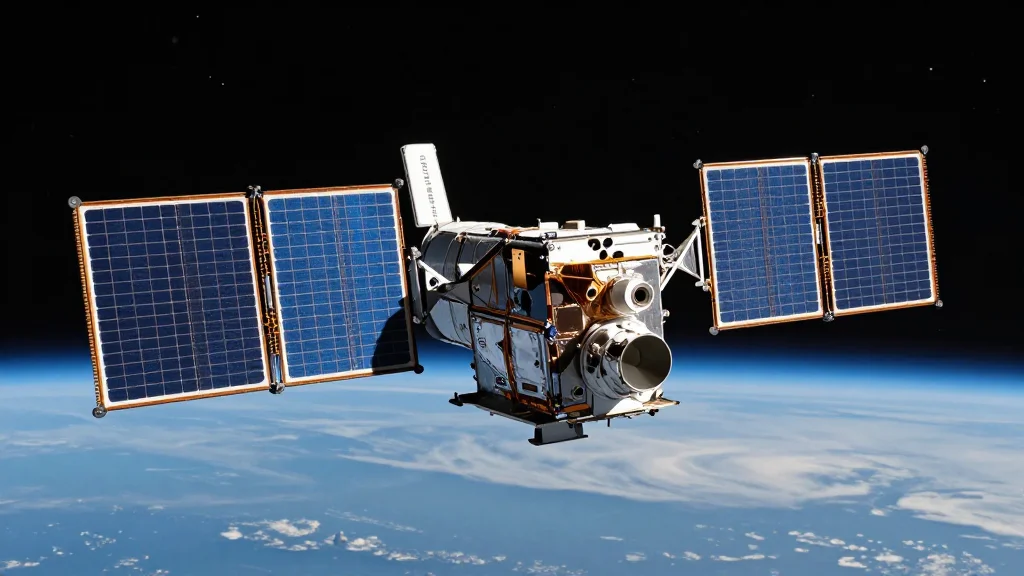
Dutch Partners Explore Bringing Silicon PV Into Space
Companies Mentioned
Why It Matters
Silicon‑based solar panels promise to slash the $200‑$300 per‑watt cost of current GaAs arrays, strengthening Europe’s strategic autonomy and reducing reliance on limited supply chains.
Key Takeaways
- •TNO, MCPV, Airbus partner to test silicon PV for space.
- •Silicon back‑contact cells could replace costly gallium arsenide arrays.
- •Study focuses on radiation, thermal cycling, mechanical loading performance.
- •Success could cut satellite power system costs and boost EU supply resilience.
- •European space autonomy strengthened by leveraging mature terrestrial solar tech.
Pulse Analysis
Spacecraft have relied on gallium‑arsenide solar cells for decades because of their high efficiency and radiation tolerance, but their production is expensive—often $200 to $300 per watt—and tied to a narrow supply chain. Meanwhile, silicon photovoltaics, driven by the terrestrial solar boom, now achieve efficiencies above 23 % at costs near $30‑$50 per watt. This cost gap makes silicon an attractive candidate for the rapidly expanding satellite market, where megaconstellations demand thousands of panels and operators are keen to lower launch expenses.
The TNO‑MCPV‑Airbus consortium is leveraging TNO’s proprietary back‑contact silicon cell design, which enables precise pick‑and‑place manufacturing and thin‑film integration. MCPV will translate the laboratory‑scale cells into an industrial production line, while Airbus brings space‑qualification expertise to mount the modules on satellite platforms. The joint research will subject the cells to simulated space radiation, thermal cycling from –150 °C to +150 °C, and vibration loads, seeking to prove that silicon can meet the stringent reliability standards of orbit.
Should the trials confirm comparable performance, silicon panels could reduce satellite power‑system costs by up to 70 %, making low‑Earth‑orbit constellations more economically viable. For Europe, the technology offers a home‑grown alternative that mitigates dependence on foreign GaAs suppliers, aligning with policy goals for strategic autonomy in space. Industry observers expect the first flight‑qualified silicon arrays within the next five years, potentially reshaping the economics of both commercial and governmental satellite programs.
Dutch partners explore bringing silicon PV into space
Comments
Want to join the conversation?
Loading comments...