Earth Was Just Hit by the Strongest Solar Radiation Storm in over 20 Years — Here's What It Means
•January 20, 2026
0
Companies Mentioned

Why It Matters
The storm highlights growing vulnerability of space‑borne assets and high‑latitude aviation to space‑weather spikes, prompting tighter risk‑management protocols across the aerospace sector.
Key Takeaways
- •S4 solar radiation storm, strongest since 2003.
- •No ground-level radiation risk, atmosphere blocks particles.
- •Astronauts and polar flights face higher exposure.
- •Satellites experienced temporary data dropouts from proton flux.
- •Distinct from geomagnetic storms; different infrastructure impacts.
Pulse Analysis
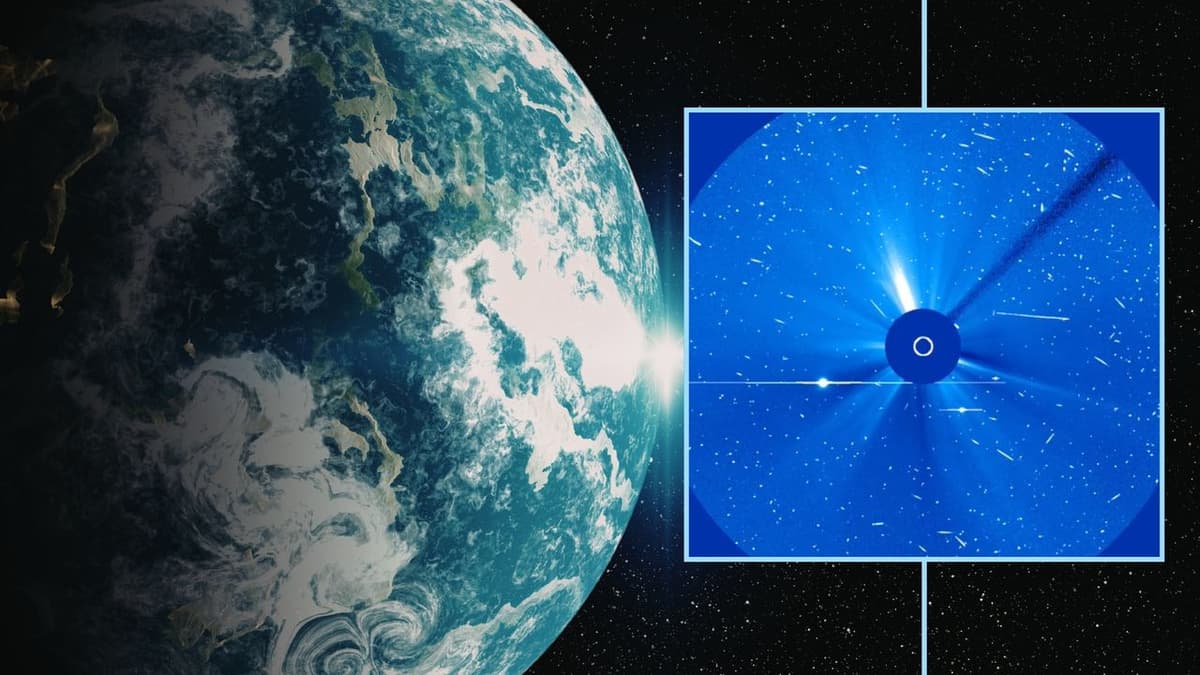
Solar radiation storms, unlike their geomagnetic cousins, are bursts of energetic particles that travel directly from the Sun to Earth’s upper atmosphere. Classified on a scale from S1 to S5, the recent S4 event surpassed all recorded storms since 2003, underscoring the Sun’s capacity to generate powerful coronal mass ejections (CMEs) that can reach Earth in minutes. NOAA’s real‑time monitoring of GOES satellite proton fluxes provides the early warnings needed to protect critical infrastructure, yet the rarity of such high‑grade storms often leaves operators scrambling for mitigation strategies.
For satellite operators, the influx of high‑energy protons can induce single‑event upsets, degrade solar panels, and temporarily blind sensors, as witnessed by brief data dropouts during the recent storm. Space agencies and commercial crews now prioritize radiation shielding and schedule extravehicular activities around space‑weather forecasts, especially for missions in low Earth orbit and beyond. Airlines flying polar routes also adjust flight altitudes or reroute to limit crew and passenger exposure, a practice that can affect fuel costs and scheduling. These operational adjustments illustrate how space‑weather events ripple through multiple sectors, demanding integrated forecasting and rapid response capabilities.
The broader market implication is a heightened focus on resilience investments. Insurance underwriters are revising premiums for satellite constellations, while manufacturers are accelerating the development of hardened electronics and advanced shielding materials. Investors watch space‑weather trends closely, as a single severe storm can trigger costly service interruptions and impact stock performance of aerospace firms. As solar cycle 25 progresses, the industry anticipates more frequent and intense events, making robust predictive models and adaptive design standards essential for sustaining growth in the burgeoning space economy.
Earth was just hit by the strongest solar radiation storm in over 20 years — here's what it means
0
Comments
Want to join the conversation?
Loading comments...