Elon Musk Says SpaceX Doesn’t Need ‘Magic’ to Put AI Data Centers up in Space
Companies Mentioned
Why It Matters
Orbital AI data centers could dramatically reshape compute infrastructure, offering lower latency and reducing the carbon footprint of terrestrial data farms. Success would give SpaceX a lucrative new revenue stream while addressing the AI industry’s escalating power needs.
Key Takeaways
- •SpaceX aims to launch AI data centers into orbit.
- •Centers will be solar‑powered, reducing reliance on ground electricity.
- •Musk claims orbital deployment is a solvable engineering challenge.
- •Space‑based compute could cut latency for satellite‑linked AI services.
- •Success would give SpaceX a new revenue stream beyond launches.
Pulse Analysis
The surge in artificial‑intelligence models has pushed traditional data centers to the brink of their power and cooling limits. Cloud giants are scrambling for greener energy sources, yet the grid’s capacity growth is uneven and often carbon‑intensive. By moving compute workloads to orbit, providers could tap into the near‑constant solar exposure and the vacuum’s natural cooling, potentially delivering petaflops of processing power with a fraction of the terrestrial energy draw. This concept aligns with the broader trend of edge computing, where proximity to data sources reduces latency and bandwidth costs.
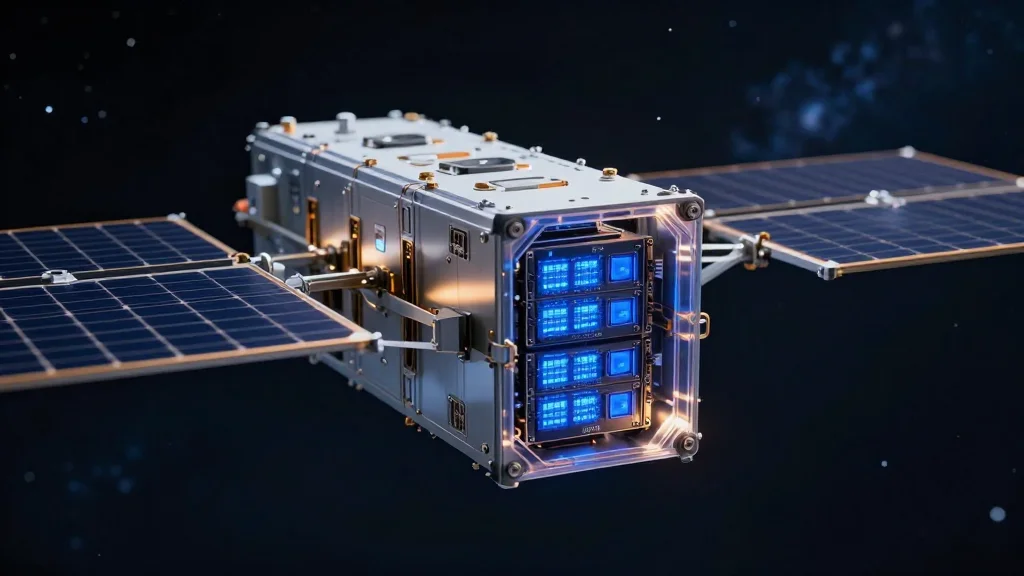
SpaceX’s latest disclosure outlines a roadmap for solar‑powered orbital data hubs that would orbit in low‑Earth orbit (LEO) alongside its Starlink constellation. Musk emphasized that the engineering hurdles—radiation hardening, thermal management, and high‑throughput inter‑satellite links—are solvable with existing technology, especially given SpaceX’s track record of rapid iteration. The company envisions modular payloads that can be launched on Falcon 9 rockets, scaling incrementally as demand from AI firms grows. By leveraging its launch cadence and satellite manufacturing expertise, SpaceX could achieve economies of scale that make space‑based compute financially viable.
If SpaceX succeeds, the ripple effects could be profound. AI startups and established firms would gain access to ultra‑low‑latency compute nodes directly above major internet hubs, enhancing real‑time applications like autonomous vehicles and augmented reality. Competitors such as Amazon Web Services and Google Cloud may be forced to explore similar orbital strategies or partner with satellite operators, intensifying competition in the nascent space‑compute market. Moreover, the venture promises a new, recurring revenue line for SpaceX, diversifying its portfolio beyond launch services and satellite broadband. Regulators will need to address spectrum allocation and orbital debris concerns, but the potential upside positions orbital AI data centers as a transformative development in both the space and technology sectors.
Elon Musk says SpaceX doesn’t need ‘magic’ to put AI data centers up in space
Comments
Want to join the conversation?
Loading comments...