Engine Problems for Japan’s Lunar Lander Company Ispace
•February 19, 2026
0
Companies Mentioned


Why It Matters
The delay threatens ispace’s credibility and could affect future CLPS funding, while highlighting the risk of engine‑first design lapses in emerging lunar service providers.
Key Takeaways
- •VoidRunner engine delays Mission 3 to 2027
- •Engine swap required lander redesign, adding schedule risk
- •Prior lunar attempts crashed due to software and sensor faults
- •Contracts remain for Japan 2028 and Europe 2029 missions
- •Engine issues signal deeper integration challenges for ispace
Pulse Analysis
ispace has positioned itself as a leading Japanese player in the burgeoning commercial lunar market, yet its track record reveals a pattern of near‑misses. The company’s first two landers achieved orbit and descent but failed to achieve a soft touchdown, one due to premature engine shutdown and the other because a laser range‑finder supplied erroneous altitude data. These technical setbacks underscore the difficulty of translating prototype success into reliable lunar operations, especially when launch cadence and payload integration timelines are compressed.
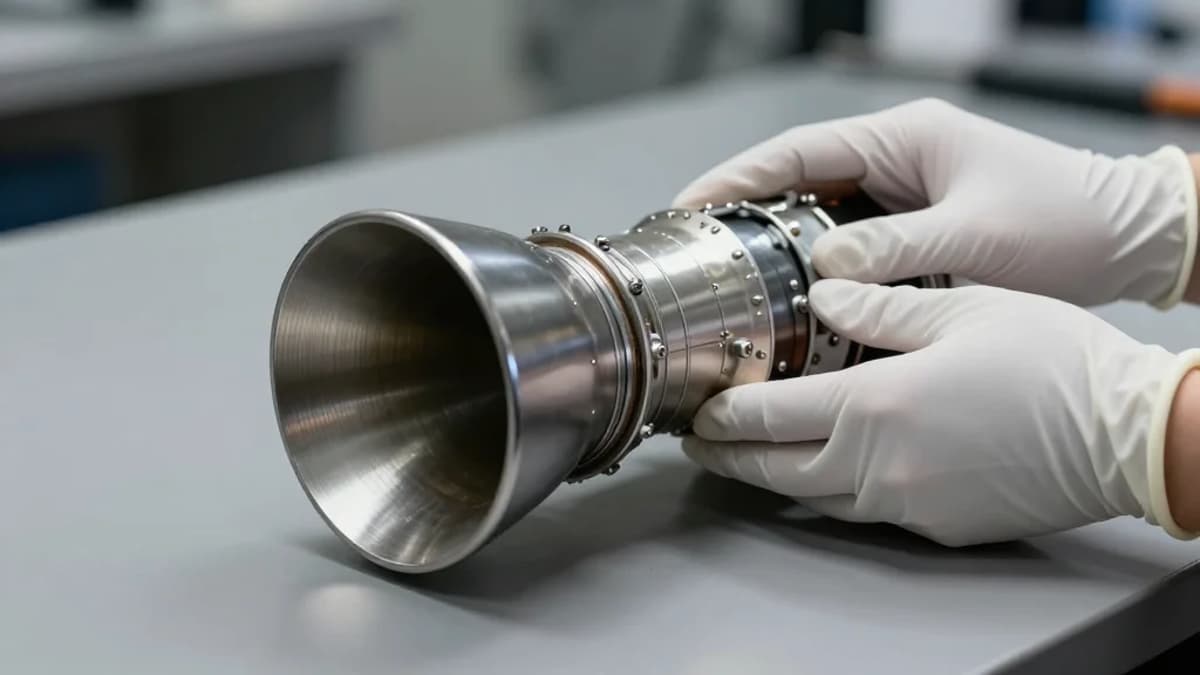
The latest hurdle centers on the VoidRunner engine, a collaborative project with Agile Space Industries intended to replace an earlier propulsion system for the Apex 1.0 lander. Development challenges forced ispace to redesign its lander architecture, pushing the NASA‑backed Commercial Lunar Payload Services (CLPS) mission from 2026 to 2027. This delay not only impacts the mission’s scientific payload schedule but also raises red flags for investors and partners who expect a mature, flight‑ready propulsion solution before committing resources.
Beyond the immediate schedule slip, the engine issue highlights a broader industry lesson: emerging lunar service providers must prioritize engine validation before finalizing spacecraft designs. As NASA and international agencies expand CLPS contracts, reliability will become a decisive factor in awarding future missions. ispace’s remaining contracts for a 2028 Japanese mission and a 2029 European flight hinge on its ability to resolve the VoidRunner challenges swiftly, restore confidence, and demonstrate that its integrated lunar system can meet the rigorous demands of commercial space exploration.
Engine problems for Japan’s lunar lander company Ispace
0
Comments
Want to join the conversation?
Loading comments...