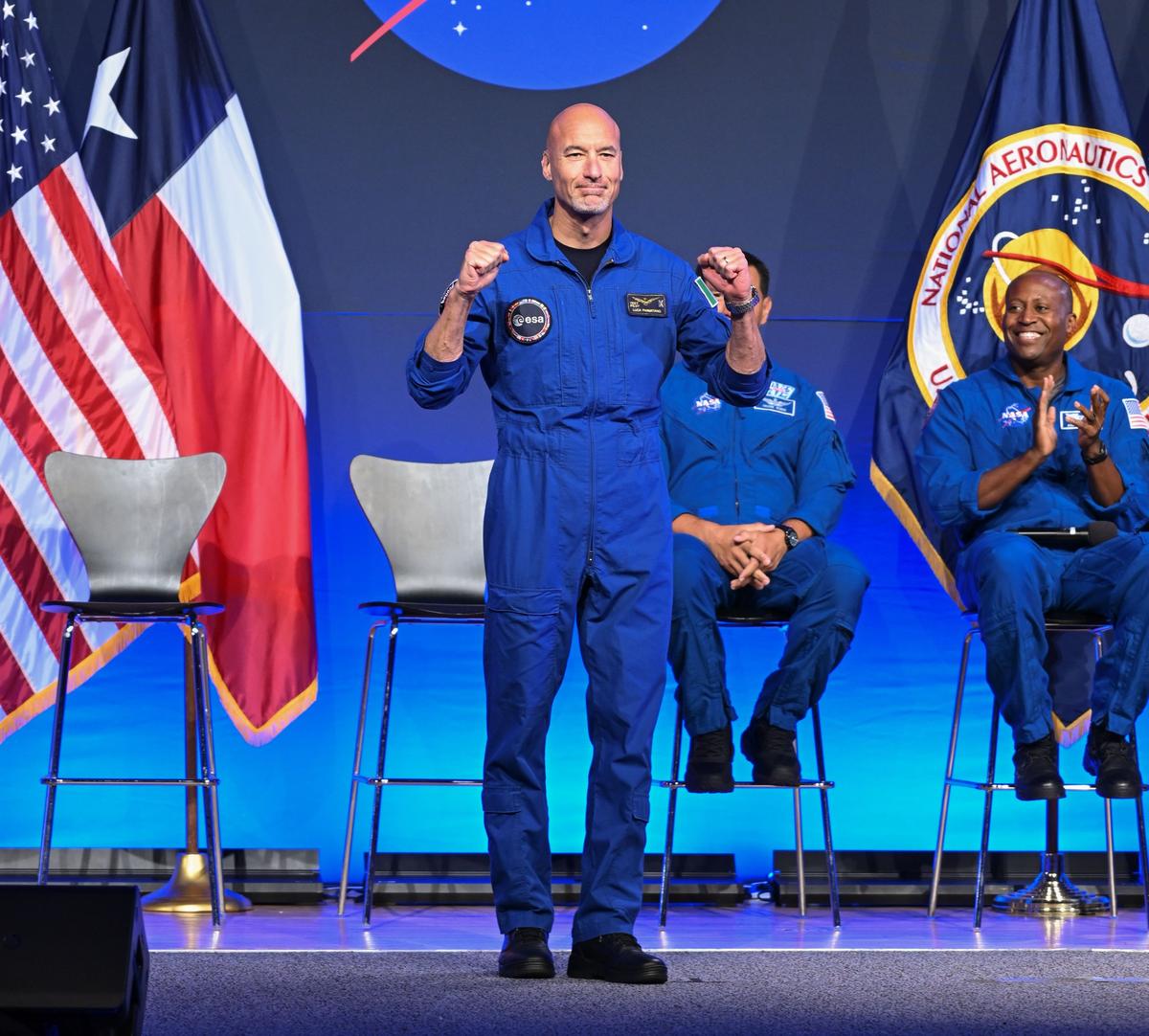
ESA Astronaut Assignment on Artemis 3 Part of Negotiations on Revised Artemis Roles
Companies Mentioned

Why It Matters
Securing a seat on Artemis 3 gives ESA leverage to shape future lunar‑landing partnerships and ensures European participation in the next phase of human space exploration.
Key Takeaways
- •Luca Parmitano named pilot for Artemis 3, ESA’s first lunar mission seat.
- •ESA negotiations focus on cargo, communications, rovers, and Orion service modules.
- •Gateway cancellation pushes ESA to seek roles in NASA’s lunar base program.
- •Potential barter: ESA cargo lander Argonaut for Artemis landing seats.
- •ESA aims for multiple future lunar surface flights beyond Artemis 5.
Pulse Analysis
The Artemis program, NASA’s flagship effort to return humans to the Moon, unveiled its Artemis 3 crew in early June, naming European Space Agency astronaut Luca Parmitano as the mission’s pilot. Parmitano’s inclusion marks the first time an ESA astronaut will ride aboard Orion for a lunar‑orbit test flight slated for mid‑2027, signaling Europe’s deepening involvement in America’s deep‑space agenda. The announcement arrived alongside prototypes from Blue Origin and SpaceX that will dock with Orion, underscoring the increasingly commercial nature of the program and the diplomatic weight of crew selections.
The decision comes as NASA shelved the lunar Gateway, a planned space‑station waypoint that had anchored ESA’s original contribution of three seats for Gateway crews. With the outpost postponed indefinitely, ESA has pivoted to negotiate a broader role in NASA’s upcoming lunar‑base architecture. Agency chief Josef Aschbacher highlighted potential barter arrangements, offering the Argonaut cargo lander, the Moonlight communications satellite, and rover technologies in exchange for landing slots. ESA also stands ready to supply additional Orion service modules, extending its barter agreement through Artemis 5 and possibly beyond.
These negotiations have strategic implications for Europe’s space sector. Securing lunar‑surface flight opportunities would give ESA and its member states a foothold in the emerging market for lunar logistics, research, and commercial services, while reinforcing trans‑Atlantic collaboration amid growing competition from China. Moreover, NASA’s shift toward a “service‑as‑a‑product” model for lunar transport could open new procurement pathways for European firms, leveraging ESA’s technical contributions into revenue‑generating contracts. The outcome of the talks, expected by year‑end, will shape Europe’s role in the next decade of human exploration beyond low‑Earth orbit.
ESA astronaut assignment on Artemis 3 part of negotiations on revised Artemis roles
Comments
Want to join the conversation?
Loading comments...