ESA Returns The Coronagraph Spacecraft To Duty
Companies Mentioned
Why It Matters
Restoring Proba‑3 revives a unique eclipse‑making platform, boosting solar‑physics research and reinforcing Europe’s credibility in advanced space missions.
Key Takeaways
- •Proba‑3 Coronagraph back online after February contact loss
- •ASPIICS instrument verified healthy and fully functional
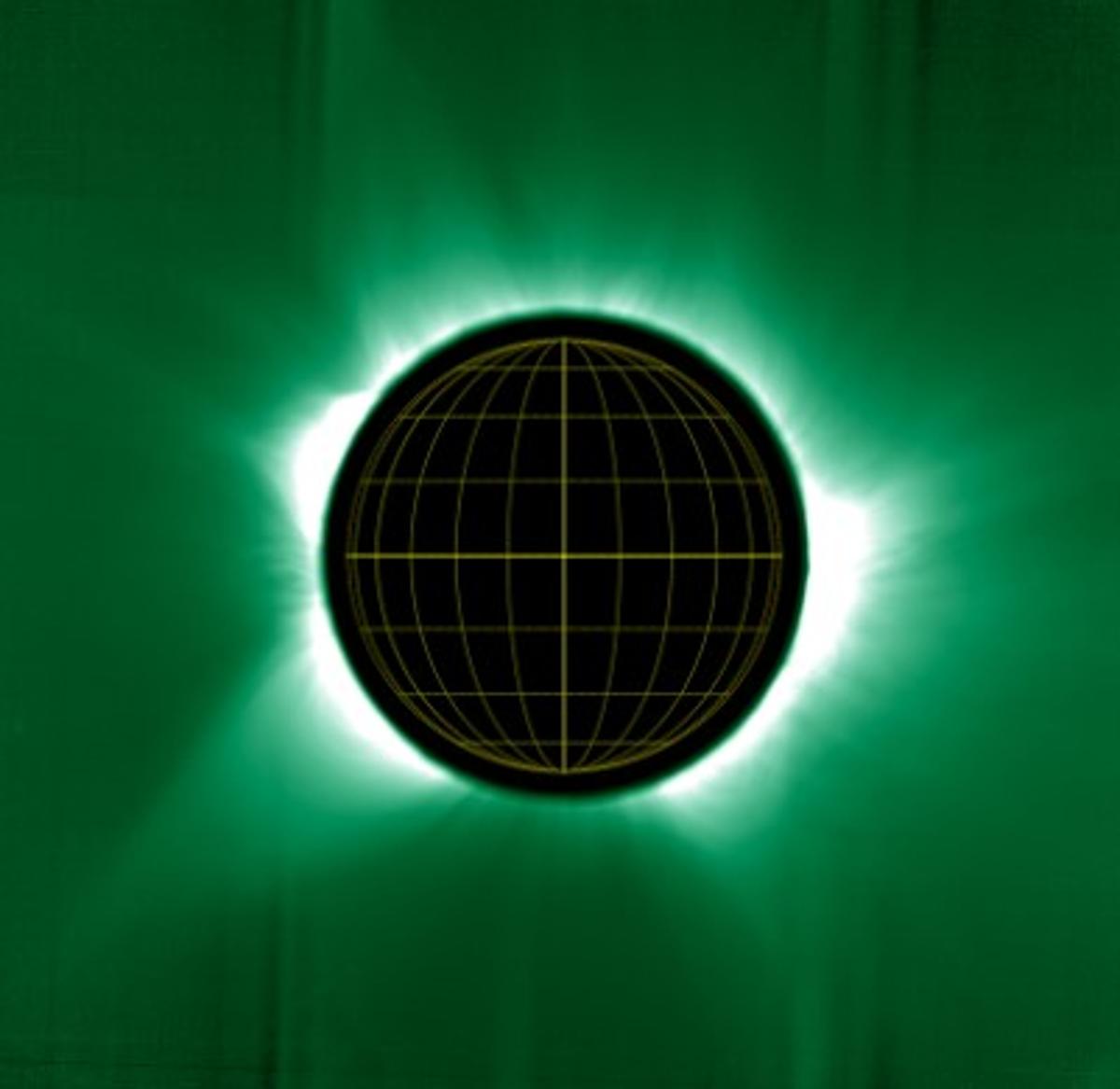
- •First post‑recovery formation flight captured spectacular corona images
- •Early data indicate solar‑wind speeds 3‑4× higher in inner corona
- •ESA’s rapid recovery showcases robust spacecraft fault‑management processes
Pulse Analysis
The European Space Agency’s Proba‑3 mission, launched in 2021, carries the Coronagraph spacecraft equipped with the ASPIICS instrument to create artificial eclipses for high‑resolution solar observations. By aligning two satellites to block the Sun’s bright disk, the mission can image the faint corona, a capability unmatched by ground‑based telescopes. After a February anomaly that silenced the spacecraft for weeks, the loss threatened a critical data stream for solar physicists worldwide. Restoring the platform not only salvages years of investment but also reaffirms Europe’s leadership in niche space science missions.
The recovery effort combined systematic diagnostics, software patching, and subsystem re‑validation to bring the spacecraft back to operational status. Engineers followed a detailed checklist, confirming power, attitude control, and communication links before uploading updates that addressed the root cause of the February fault. A successful formation‑flight test last week demonstrated that both satellites could re‑establish precise alignment, and the ASPIICS coronagraph returned pristine images of the solar corona. The rapid turnaround highlights ESA’s robust fault‑management framework and the value of close collaboration with industry partners.
Early science from the restored mission already challenges existing models, showing solar‑wind structures in the inner corona moving three to four times faster than previously estimated. Faster wind speeds imply more dynamic energy transfer and could refine space‑weather forecasting, which is critical for satellite operators and power‑grid managers. As the Proba‑3 team continues routine observations, the data set will expand, offering unprecedented insight into coronal dynamics and magnetic field evolution. ESA’s ability to revive a complex formation‑flight experiment reinforces confidence among commercial and academic stakeholders, potentially attracting new partnerships and funding for future European heliophysics initiatives.
ESA Returns The Coronagraph Spacecraft To Duty
Comments
Want to join the conversation?
Loading comments...