ESA’s Biomass Goes Live with Data Now Open to All
•January 26, 2026
0
Companies Mentioned

Why It Matters
Open, high‑quality forest carbon data dramatically reduces uncertainties in climate models and informs policy decisions, especially for nations managing tropical forests. The Biomass mission empowers scientists and governments with actionable insights for carbon accounting and sustainable forest management.
Key Takeaways
- •First P‑band SAR satellite measures woody biomass globally
- •Open data supports climate research and forest management
- •18‑month tomographic mapping followed by nine‑month interferometric cycles
- •Airborne campaigns validate satellite calibration over tropical forests
- •Reduces uncertainty in global forest carbon stock estimates
Pulse Analysis
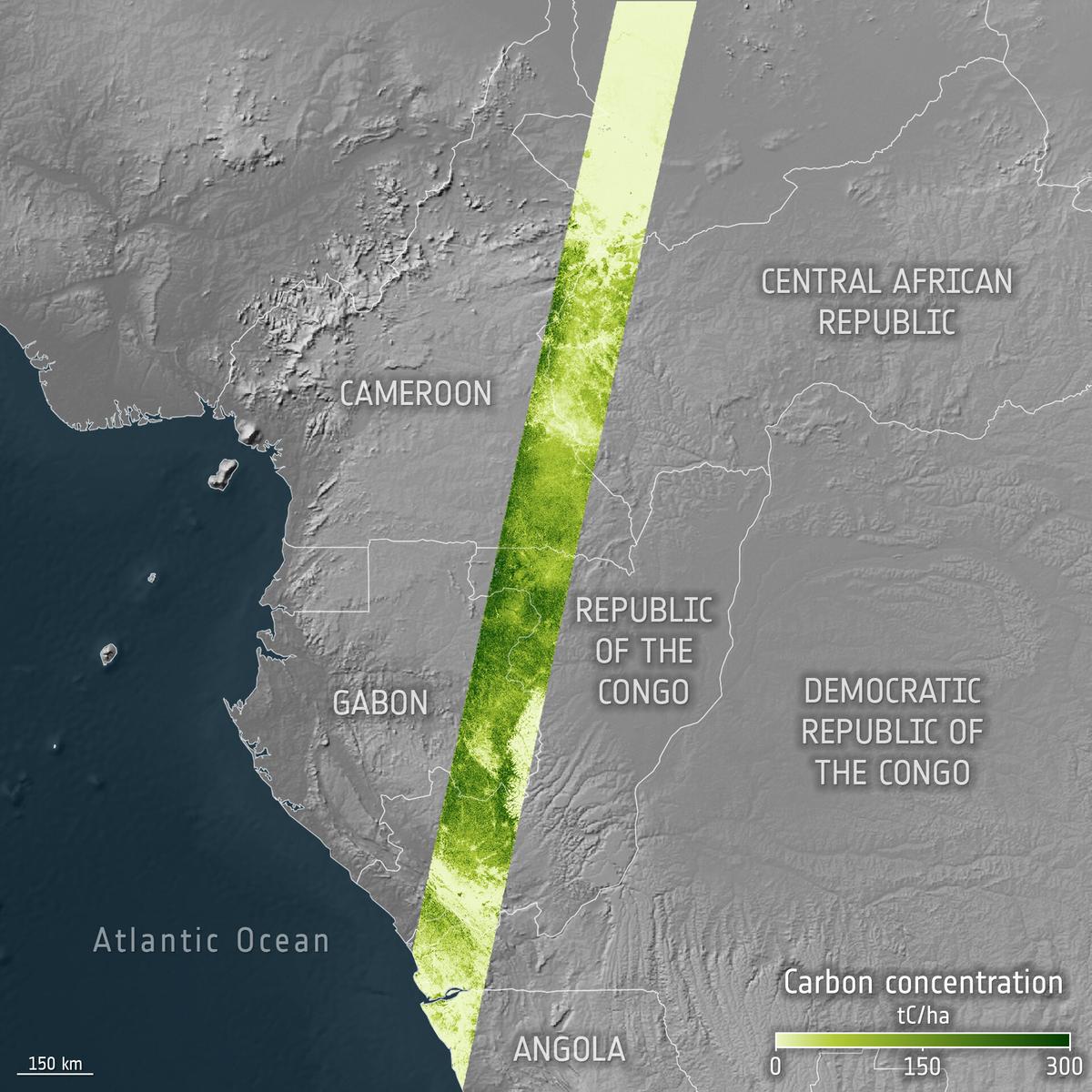
ESA’s Biomass mission marks a watershed in Earth observation by deploying the first P‑band synthetic aperture radar capable of seeing through dense forest canopies. Unlike conventional optical sensors, the P‑band wavelength penetrates trunks and large branches, delivering direct estimates of woody biomass—the primary reservoir of terrestrial carbon. After a rigorous commissioning phase that included synchronized airborne radar overpasses, the satellite now streams calibrated, high‑resolution measurements to an open‑access portal, inviting scientists, NGOs, and commercial analysts to integrate this data into their workflows.
The availability of free, global forest carbon inventories reshapes climate research and policy. Accurate biomass estimates tighten the carbon budget, improving the fidelity of Earth system models and national greenhouse‑gas inventories. For countries in the Global South, where forest monitoring resources are limited, Biomass data supports transparent reporting under the UNFCCC and informs REDD+ initiatives. Researchers can now track deforestation, regrowth, and degradation with unprecedented temporal granularity, enabling more precise attribution of emissions to land‑use changes and better evaluation of mitigation strategies.
Looking ahead, Biomass will transition from an 18‑month tomographic mapping phase to a series of nine‑month interferometric cycles, capturing dynamic forest structure changes over time. Ongoing collaborations with institutions such as DLR, AGEOS, and the SAR Polarimetric Interferometry Workshop will expand methodological advances and foster new applications, from carbon credit verification to biodiversity assessments. As the dataset matures, it is poised to become a cornerstone for carbon markets, climate finance, and ecosystem services valuation, reinforcing ESA’s role in delivering actionable Earth observation for a sustainable future.
ESA’s Biomass goes live with data now open to all
0
Comments
Want to join the conversation?
Loading comments...