Companies Mentioned


Why It Matters
Embedding sustainability ensures the long‑term viability of space operations and reinforces Europe’s leadership in responsible space activities, influencing industry standards worldwide.
Key Takeaways
- •ESA targets zero space debris by 2030
- •New Director of Resilience appointed 2026
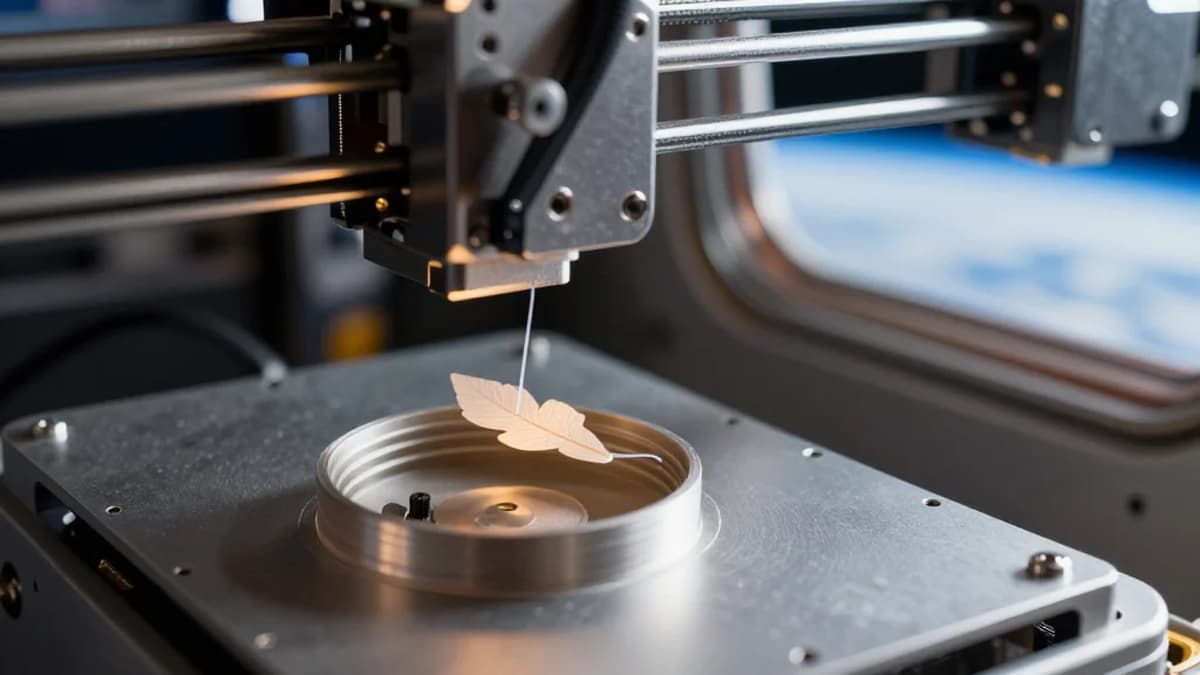
- •Metal 3D printing demo on ISS advances autonomy
- •EarthCARE satellite pre‑launch showcased at Airbus
- •Ariane 6 launch media invitation highlights European space growth
Pulse Analysis
ESA’s sustainability ambition is anchored in a comprehensive policy framework that integrates clean‑space principles, ecodesign, and zero‑debris technologies. By aligning mission planning with environmental metrics, ESA aims to reduce orbital litter and lower the carbon footprint of launch activities. The agency’s internal restructuring, highlighted by the creation of the Director of Resilience, Navigation and Connectivity role, centralises responsibility for these goals and ensures that sustainability is woven into both technical and strategic decision‑making.
Technological breakthroughs are a core pillar of ESA’s green agenda. The successful metal 3D printing experiment on the International Space Station demonstrates how in‑orbit manufacturing can minimise the need for spare parts, reducing launch mass and waste. Parallel efforts, such as the EarthCARE satellite’s pre‑launch cleanroom showcase and the upcoming Ariane 6 launch, illustrate ESA’s commitment to greener spacecraft design and more efficient propulsion, directly supporting the agency’s zero‑debris targets while delivering high‑value Earth observation data.
For the broader space industry, ESA’s sustainability drive sets a benchmark that could reshape market expectations. Investors and commercial partners are increasingly valuing environmentally responsible operations, and ESA’s initiatives provide a template for public‑private collaboration on sustainable technologies. As Europe positions itself as a leader in responsible space exploration, the ripple effects are likely to influence regulatory standards, drive innovation in low‑impact launch services, and foster a new generation of space‑based solutions that balance scientific ambition with planetary stewardship.
ESA's sustainability ambition
0
Comments
Want to join the conversation?
Loading comments...