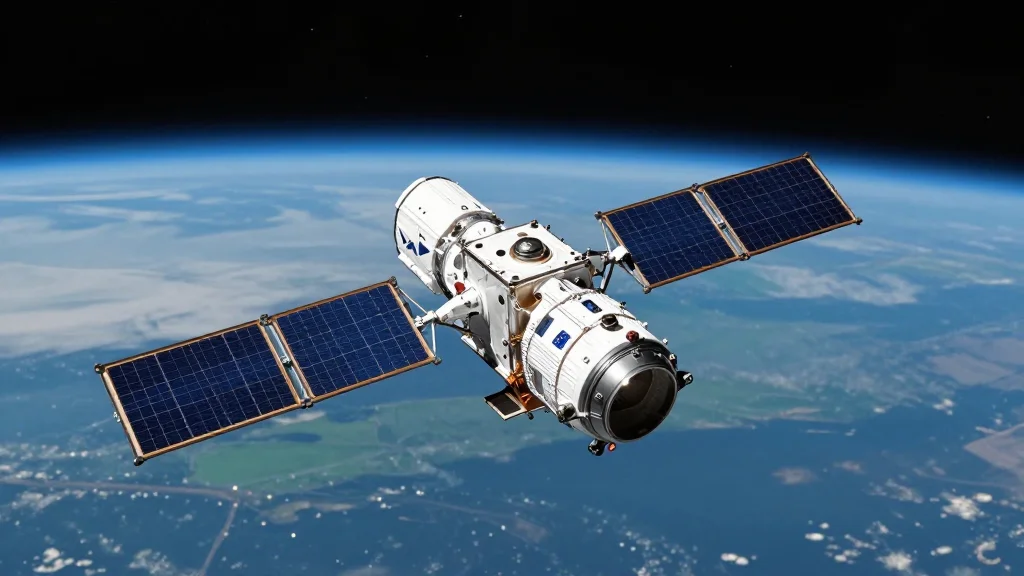
European Union to Restructure Its Space Bureaucracy
Why It Matters
The restructuring signals the EU’s attempt to streamline satellite operations and remain competitive, but overlapping institutions risk higher costs and slower delivery. National commercial programs could reshape Europe’s space market and dilute the EU’s collective influence.
Key Takeaways
- •EU renames agency to European Union Space Services Agency (EUSPA)
- •New EUSPA will manage Galileo, communications, and security satellites
- •Agency shift signals operational role, not just programme administration
- •Member states like Germany, France backing independent commercial space firms
- •Overlapping EU, ESA, EUSPA structures risk delays, higher costs
Pulse Analysis
Europe’s space ambitions have long been anchored by the Galileo navigation system and a patchwork of EU‑funded projects. As the United States, China, and private players like SpaceX expand their constellations, the EU faces pressure to deliver comparable capabilities in navigation, Earth observation, and secure communications. The European Competitiveness Fund earmarks billions of euros for these initiatives, but the continent’s fragmented governance—spanning the European Commission, the European Space Agency (ESA), and now the rebranded EUSPA—creates a complex decision‑making environment that can slow progress.
The renaming to the European Union Space Services Agency is more than cosmetic; it signals a pivot toward an operational mandate, positioning EUSPA as the executor of satellite deployments rather than a mere overseer. The draft regulation ties the agency’s responsibilities to the 2028‑2034 planning horizon, aligning funding streams with concrete service delivery. However, the coexistence of ESA, which retains technical expertise, and EUSPA, which will now handle service contracts, raises questions about role clarity. Overlapping jurisdictions risk duplicated effort, inflated budgets, and delayed timelines—issues that critics argue already hinder the EU’s ability to compete on speed and cost.
At the same time, member states such as Germany, France, Spain, and Italy are nurturing home‑grown commercial space firms to sidestep bureaucratic inertia. These companies aim to launch their own navigation, communications, and Earth‑observation satellites, leveraging private capital and agile development cycles. If successful, they could outpace EUSPA’s projects, reshaping Europe’s space ecosystem and potentially fragmenting the market. The tension between a centralized EU agency and burgeoning national enterprises will define the continent’s strategic autonomy in space over the next decade.
European Union to restructure its space bureaucracy
Comments
Want to join the conversation?
Loading comments...