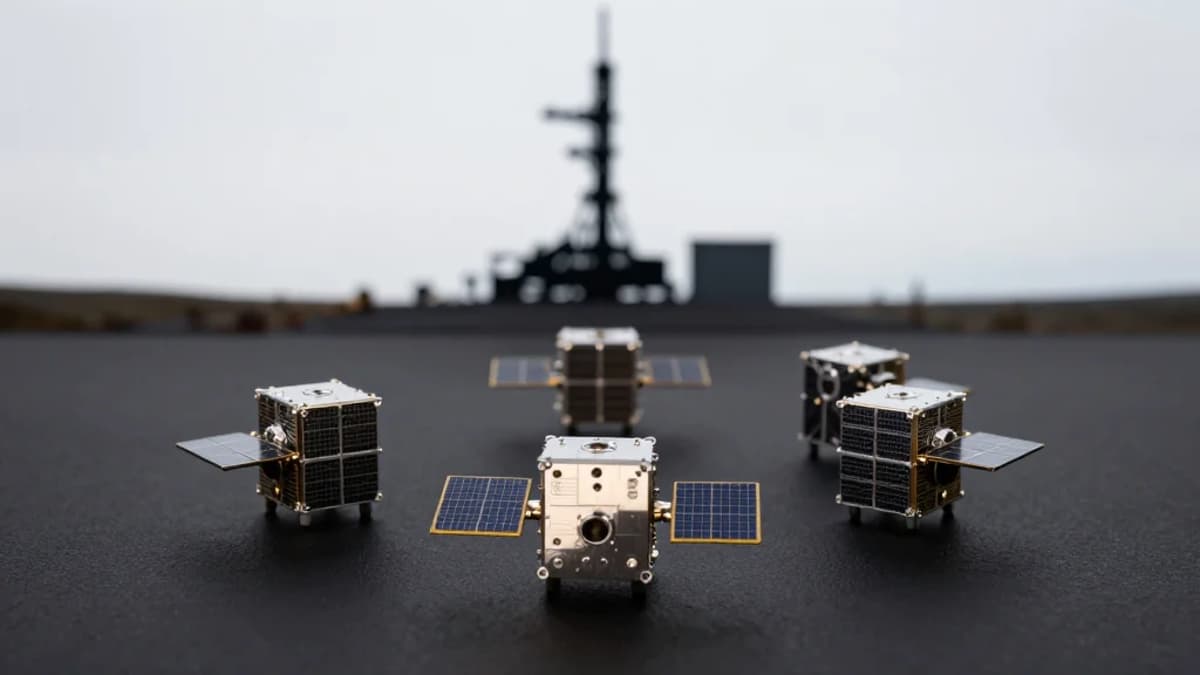
Exolaunch Integrates Five Satellites in Isar’s Spectrum Rocket
•February 23, 2026
0
Why It Matters
The mission validates Europe’s emerging small‑sat launch ecosystem and showcases Norway’s streamlined spaceport regulations, accelerating commercial access to orbit.
Key Takeaways
- •Exolaunch integrated five university CubeSats for Isar launch.
- •Launch set for 19 March 2026 from Andoya, Norway.
- •Isar’s second attempt follows 2025 launch failure.
- •Norway’s spaceport outpaces UK counterparts in readiness.
- •European rocket startups eye 2026 first orbital flights.
Pulse Analysis
Exolaunch’s integration of five CubeSats underscores the growing demand for affordable rideshare opportunities among academic institutions. By handling payload processing, mechanical integration, and launch‑site logistics, Exolaunch lowers barriers for student teams seeking real‑world space experience. The selected missions—ranging from technology demonstrators to Earth‑observation experiments—highlight how low‑cost access can accelerate research cycles and foster talent pipelines for the broader aerospace sector.
Isar Aerospace, a German launch‑vehicle developer, is now positioned as a front‑runner among Europe’s nascent rocket companies. After its inaugural attempt in March 2025 ended in a rapid attitude‑control failure, the company has refined its Spectrum launcher and secured a firm launch date. Competitors such as PLD Space and Rocket Factory Augsburg remain on tentative timelines, making Isar’s confirmed flight a critical benchmark for European private launch capability and a potential catalyst for further investment in the region’s launch‑service market.
The choice of Norway’s Andoya spaceport reflects a strategic regulatory advantage. Norway streamlined licensing and environmental approvals, allowing Andoya to outpace UK spaceport projects that have been delayed by governmental red tape. This regulatory agility not only accelerates launch schedules but also attracts international customers seeking predictable timelines. As Andoya aims to become Europe’s first operational orbital spaceport, its success could reshape the continent’s launch infrastructure landscape, encouraging other nations to adopt similarly efficient frameworks.
Exolaunch integrates five satellites in Isar’s Spectrum rocket
0
Comments
Want to join the conversation?
Loading comments...