Experts Warn: Without Nuclear Power and National Will, America’s Lunar Future at Risk
Why It Matters
Nuclear power is the linchpin for continuous lunar presence, directly influencing U.S. strategic and commercial leadership in space. A clear policy and funding pathway could transform the moon into a viable economic platform and bolster national security.
Key Takeaways
- •Nuclear reactors solve lunar night’s 14‑day power gap
- •Helium‑3 mining cited as high‑value lunar export
- •Inter‑agency cooperation essential for lunar infrastructure
- •State incentives can accelerate space‑related nuclear R&D
- •Policy clarity needed to unlock private lunar investment
Pulse Analysis
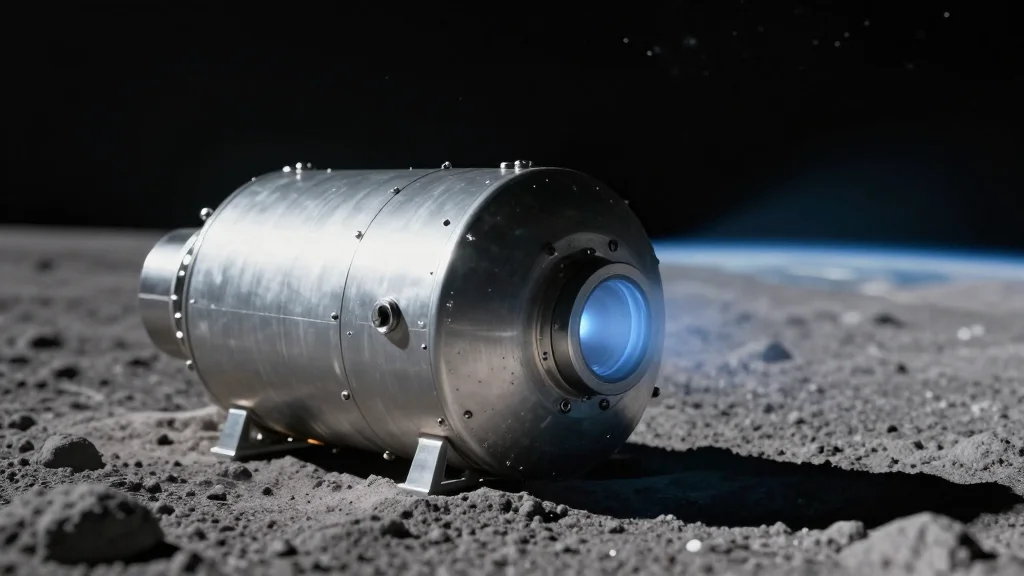
The United States stands at a crossroads in its return to the Moon, with the Artemis program receiving bipartisan backing yet lagging behind China’s aggressive timeline. Experts at ASCEND 2026 argue that the missing piece is not just political will but a robust nuclear energy strategy capable of powering habitats through the Moon’s two‑week night. By leveraging compact fission reactors—or future fusion concepts—NASA could provide reliable, high‑density power for life support, scientific labs, and propulsion, dramatically shortening transit times to Mars and beyond.
Technical hurdles dominate the conversation: lunar temperatures plunge below -133 °C, and solar energy alone cannot sustain continuous operations. Nuclear reactors, sized like a truck trailer, promise a steady power supply, enabling industrial processes such as in‑situ resource extraction and manufacturing. However, realizing this vision demands coordinated action across the EPA, Department of Energy, and state governments, alongside a “Rickover‑type” program to fast‑track space‑nuclear development. Recent policy shifts signal growing appetite for these systems, but clear regulatory pathways and funding mechanisms remain critical.
Beyond engineering, the economic case for a lunar foothold hinges on resources like helium‑3, which could fuel future fusion reactors on Earth, and the broader creation of a lunar economy. A sustained human presence would attract private capital, drive innovation, and cement U.S. leadership in both commercial and defense domains. To capture these benefits, policymakers must craft a comprehensive framework that balances resource governance, infrastructure investment, and long‑term strategic goals, ensuring America’s lunar future is not left to chance.
Experts Warn: Without Nuclear Power and National Will, America’s Lunar Future at Risk
Comments
Want to join the conversation?
Loading comments...