Eyeing Space Junk Re-Entries: Repercussions for Earth’s Atmosphere
Companies Mentioned
Why It Matters
Artificial metal deposition from space junk could alter ozone chemistry and atmospheric heating, affecting climate models and prompting stricter debris‑mitigation policies.
Key Takeaways
- •LiDAR detected a lithium cloud from Falcon 9 re‑entry, Feb 2025.
- •Metal ablation from debris adds unknown mass to upper mesosphere.
- •Findings suggest potential impacts on ozone chemistry and atmospheric heating.
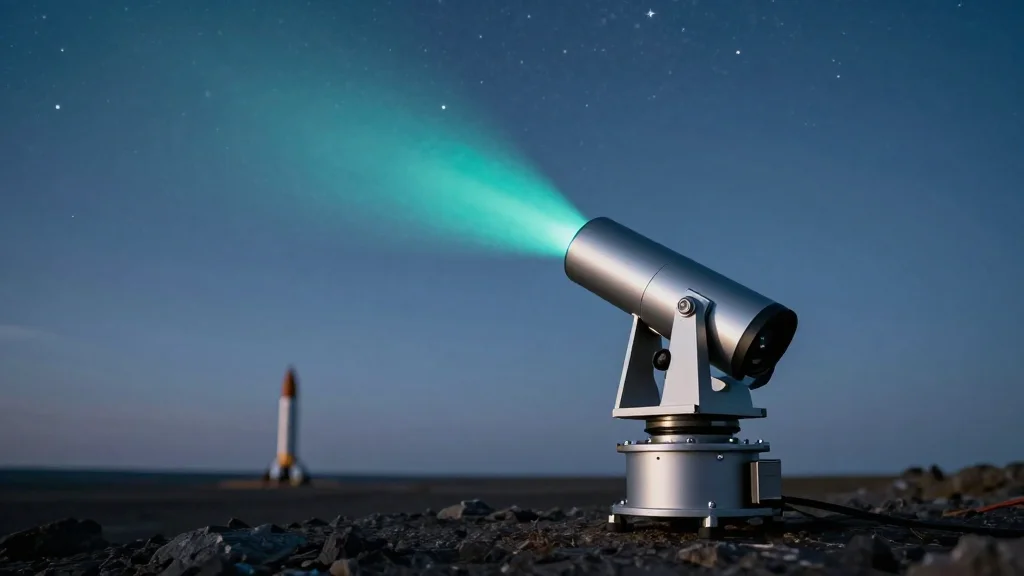
- •Ground‑based lasers offer real‑time monitoring of space‑junk pollution.
- •Research could inform debris mitigation policies and climate models.
Pulse Analysis
The rapid expansion of low‑Earth‑orbit activity has turned space debris into a persistent environmental concern. Each year, dozens of defunct satellites, spent rocket stages, and fragmentation fragments re‑enter the atmosphere, vaporizing and depositing metallic particles at altitudes between 80 and 110 km. While natural meteoric ablation already creates a thin metal‑rich layer in the mesosphere, anthropogenic inputs are now measurable. Ground‑based light detection and ranging (LiDAR) systems, originally developed for topographic mapping, have been repurposed to scan the upper atmosphere for transient metal clouds, offering a cost‑effective, high‑resolution window into this hidden pollution.
In February 2025, a LiDAR network over western Europe recorded a lithium‑rich plume ten times denser than background levels, coinciding with the re‑entry of a SpaceX Falcon 9 upper stage. Lithium, a lightweight metal rarely seen in natural meteoric trails, serves as a tracer for artificial debris because it is a common component of rocket propellant and battery packs. The sudden injection of lithium and other metals can catalyze ozone‑depleting reactions and alter radiative heating rates, potentially affecting climate models that assume a pristine mesosphere. Scientists are now quantifying how these episodic injections modify the delicate balance of atmospheric chemistry.
The ability to detect and characterize debris‑derived metal clouds in real time opens new pathways for both scientific research and regulatory action. Continuous LiDAR monitoring could feed into global debris‑tracking databases, enabling agencies to predict high‑risk re‑entry corridors and issue timely warnings to aviation and satellite operators. Moreover, the data provide empirical inputs for international discussions on debris mitigation standards, such as post‑mission disposal and material substitution. As the orbital economy matures, integrating atmospheric monitoring into the sustainability toolkit will be essential to safeguard both the near‑space environment and the lower atmosphere that underpins life on Earth.
Eyeing Space Junk Re-entries: Repercussions for Earth’s Atmosphere
Comments
Want to join the conversation?
Loading comments...