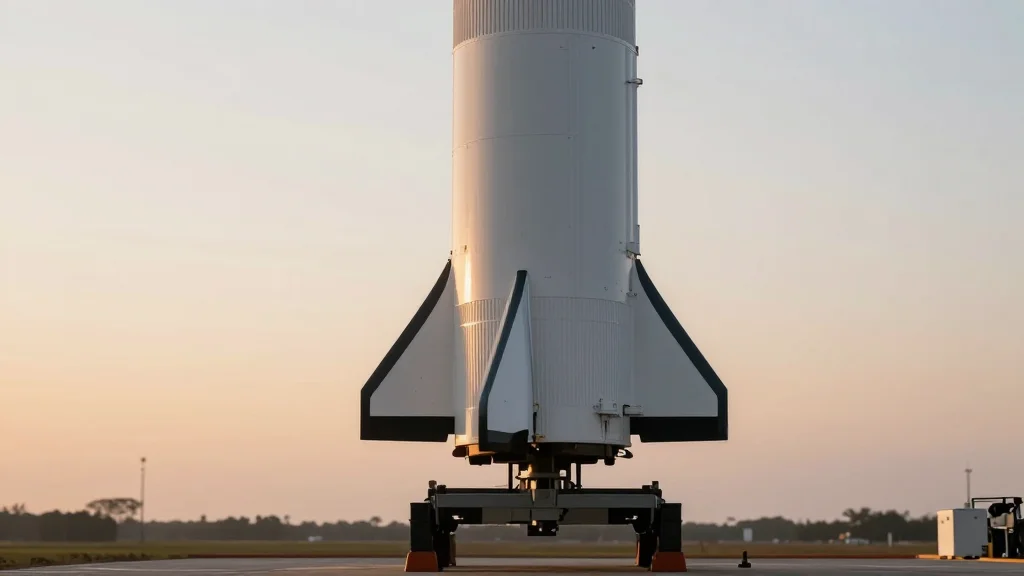
FAA Proposes $0.25‑per‑Pound User Fees for U.S. Rocket Launches, Capped at $30,000

Companies Mentioned
Why It Matters
The FAA’s fee proposal directly targets the financing gap that has long constrained the agency’s ability to process an ever‑increasing launch schedule. By creating a dedicated trust fund, the FAA hopes to modernize its licensing infrastructure, reduce approval delays, and improve safety oversight. For launch providers, the fees represent a new line item that could affect launch pricing, especially for high‑mass missions, and may drive industry consolidation as smaller players seek cost efficiencies. Beyond immediate financial implications, the policy signals a shift toward treating commercial space more like traditional aviation, where users pay for the use of shared airspace and infrastructure. This regulatory alignment could pave the way for more standardized international agreements and potentially influence how other nations structure their own commercial space fees.
Key Takeaways
- •FAA proposes $0.25 per pound user fee for launches starting in 2026, rising to $1.50 per pound by 2033.
- •Fees are capped at $30,000 per launch or reentry, limiting exposure for most missions.
- •SpaceX logged 165 orbital launches in 2025, the highest in the industry.
- •William Gerstenmaier, SpaceX VP, warned the FAA licensing office is in "great distress" and needs double resources.
- •Public comment period runs until June 30, with a final rule expected in early 2025.
Pulse Analysis
The FAA’s fee framework arrives at a pivotal moment when the United States commands roughly 70% of global launch capacity. Historically, the agency’s modest licensing fees were a goodwill gesture to nurture a nascent industry. Today, the sheer volume of launches—driven by megaconstellations, lunar missions, and defense contracts—has outstripped the FAA’s staffing and budget, creating a bottleneck that threatens to slow the sector’s momentum. By monetizing airspace usage, the FAA not only secures a revenue stream but also establishes a market‑based incentive for the agency to improve its service levels.
From a competitive standpoint, the fee structure is unlikely to alter the hierarchy among major U.S. launch providers. SpaceX’s economies of scale mean a $30,000 cap will be a marginal cost relative to its $62 million Falcon 9 launch price. Smaller firms, however, could see the fee erode thin margins, potentially accelerating consolidation or pushing them toward foreign launch services where fees may differ. The policy may also encourage innovation in payload miniaturization, as every pound saved translates directly into lower fees.
Looking ahead, the success of the fee model will hinge on the FAA’s ability to translate collected funds into tangible improvements—faster licensing, better tracking of launch trajectories, and enhanced safety oversight. If the agency can demonstrably reduce approval times, the industry may view the fees as a worthwhile investment rather than a punitive tax. Conversely, if the revenue fails to produce visible service upgrades, the policy could face renewed opposition, prompting lawmakers to revisit the fee caps or the underlying funding mechanism. The next six months will be critical in shaping how the United States balances regulatory oversight with the commercial imperatives of a rapidly expanding space economy.
FAA Proposes $0.25‑per‑Pound User Fees for U.S. Rocket Launches, Capped at $30,000
Comments
Want to join the conversation?
Loading comments...