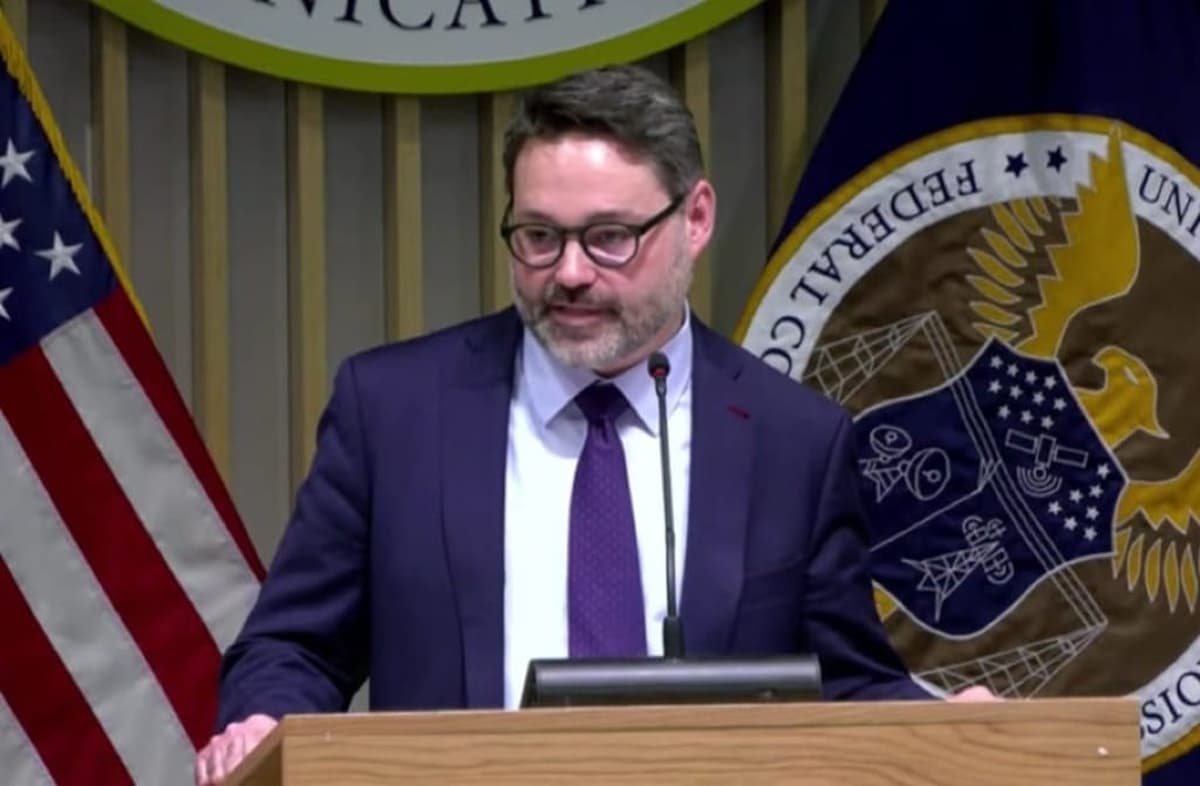
FCC Considers Satellite Changes to Universal Service's High Cost Fund
Companies Mentioned
Why It Matters
Reducing the High‑Cost fund could dramatically alter financing for rural broadband, reshaping competition between satellite providers and legacy wireline operators. The outcome will influence how the U.S. achieves universal connectivity goals in the next decade.
Key Takeaways
- •FCC opens proceeding to review $4.5 B High‑Cost Fund
- •SpaceX pushes for major reduction of universal service subsidies
- •Inquiry examines LEO satellite broadband role in universal service
- •Rural carriers could face funding uncertainty after FCC decision
- •Potential shift may reshape U.S. broadband subsidy landscape
Pulse Analysis
The Universal Service Fund’s High‑Cost program, created in the 1990s, has long been the financial lifeline for extending broadband to America’s most remote communities. Funded by a modest surcharge on all telephone and broadband services, it distributes roughly $4.5 billion annually to eligible carriers that meet strict cost‑per‑customer thresholds. While the program has spurred fiber builds and fixed wireless deployments, critics argue that its legacy framework struggles to keep pace with rapid technological change, prompting regulators to revisit its structure and eligibility criteria.
Meanwhile, low‑Earth‑orbit constellations such as SpaceX’s Starlink have deployed thousands of satellites, delivering multi‑gigabit speeds to users with a simple dish. Proponents claim that these services have already closed many of the “digital deserts” the High‑Cost fund was designed to serve, offering a cost‑effective alternative to expensive terrestrial builds. SpaceX’s recent lobbying emphasizes that continued subsidies could create a market distortion, subsidizing services that are now commercially viable. The FCC’s inquiry will therefore assess whether satellite broadband can be counted toward universal service obligations and how to fairly allocate support across competing technologies.
The stakes are high for rural ISPs and state broadband offices. A decision to scale back the High‑Cost fund could force many small carriers to seek private financing or abandon unprofitable routes, potentially slowing the rollout of fiber and fixed wireless projects. Conversely, a restructured fund that incorporates satellite metrics might unlock new investment pathways and promote a more technology‑agnostic approach to connectivity. Policymakers, investors, and community leaders should monitor the FCC’s forthcoming notice of proposed rulemaking, as its direction will shape the competitive landscape and the pace at which the United States meets its broadband equity objectives.
FCC Considers Satellite Changes to Universal Service's High Cost Fund
Comments
Want to join the conversation?
Loading comments...