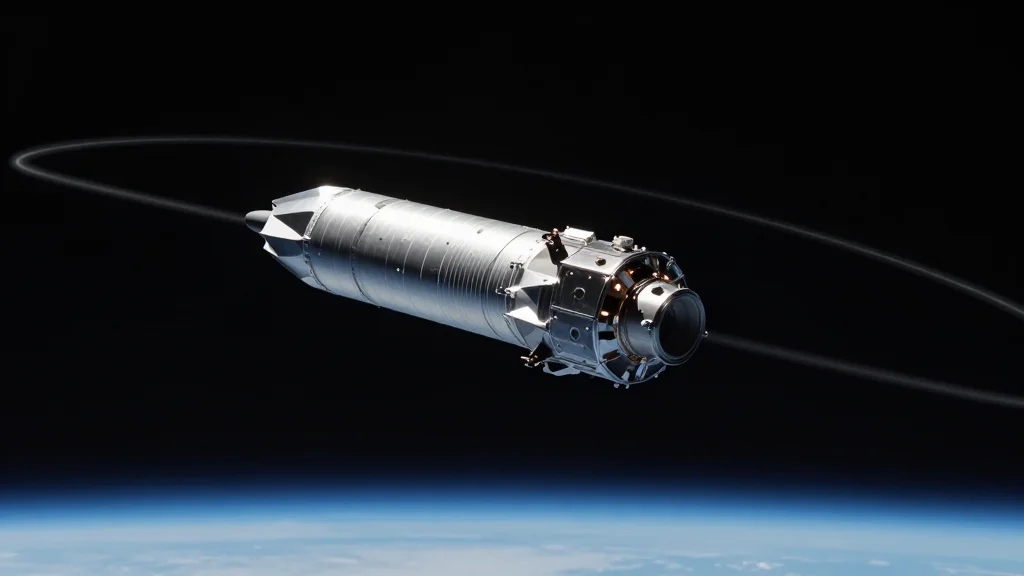
FCC Filing Shows SpaceX’s 1 Million Orbiting Data‑center Plan Could Swell Space‑junk Risk

Companies Mentioned
Why It Matters
The proposed disposal strategy threatens to exacerbate an already crowded low‑Earth orbit, where thousands of active satellites and debris fragments compete for limited space. A surge in long‑lived objects could raise collision probabilities, driving up insurance premiums and potentially delaying new launches. Moreover, the move toward graveyard and heliocentric orbits challenges existing international norms that prioritize atmospheric re‑entry as the safest end‑of‑life option, prompting a re‑examination of debris‑mitigation policies worldwide. If the FCC grants SpaceX the requested flexibility, it may encourage other operators to adopt similar approaches, creating a cascade effect that could overwhelm current tracking capabilities. Conversely, a stricter regulatory response could push the industry toward more sustainable technologies, such as on‑orbit servicing or active de‑orbiting propulsion, shaping the next generation of satellite design and business models.
Key Takeaways
- •SpaceX filed a 7‑page FCC response detailing disposal plans for a 1 million‑satellite data‑center constellation.
- •80% of the satellites would operate between 680 km and 1,000 km altitude; the rest around 500 km.
- •Satellites above 600 km are slated for graveyard or heliocentric disposal rather than atmospheric burn‑up.
- •Each satellite is designed for a five‑year operational life, potentially adding millions of debris objects.
- •Regulators and industry groups warn the plan could strain debris‑tracking systems and raise collision risks.
Pulse Analysis
SpaceX’s filing is a litmus test for how regulators will handle the next wave of mega‑constellations that go beyond communications to provide services like edge computing. Historically, the industry has relied on atmospheric re‑entry as the default end‑of‑life solution, a practice that limits long‑term debris accumulation. By seeking permission to park satellites in graveyard or heliocentric orbits, SpaceX is effectively redefining the cost‑benefit calculus of satellite disposal, shifting some of the environmental burden onto the regulatory framework.
The strategic rationale is clear: data‑center satellites will operate at higher altitudes to avoid atmospheric drag, which improves service latency and hardware longevity. However, the trade‑off is a longer orbital lifetime after retirement, turning each unit into a potential hazard for decades. If the FCC approves the request, it could set a de‑facto standard that other operators might follow, especially as the economics of on‑orbit servicing remain uncertain. This could accelerate the need for new debris‑removal technologies, such as laser‑based de‑orbiting or robotic capture, and push the market toward higher‑risk insurance products.
In the short term, the filing will likely spark a flurry of stakeholder comments, with space‑law NGOs and commercial players lobbying for tighter safeguards. The longer‑term implication is a possible bifurcation of satellite design philosophies: one path that embraces low‑altitude, burn‑up‑friendly platforms, and another that pursues high‑altitude, high‑value payloads with more complex disposal requirements. How the FCC balances commercial innovation against orbital sustainability will shape the trajectory of SpaceTech investments for the next decade.
FCC filing shows SpaceX’s 1 million orbiting data‑center plan could swell space‑junk risk
Comments
Want to join the conversation?
Loading comments...