Companies Mentioned

NASA
Why It Matters
The untethered EVA demonstrated autonomous EVA capability, reshaping mission design and enabling complex tasks beyond the limits of tethered operations, a foundation for modern space‑flight architecture.
Key Takeaways
- •First untethered EVA using MMU.
- •Reached 320 feet from Challenger.
- •EVA lasted 1 hour 22 minutes.
- •Demonstrated nitrogen-propelled maneuvering.
- •Validated vision bifocals and foot restraint platform.
Pulse Analysis
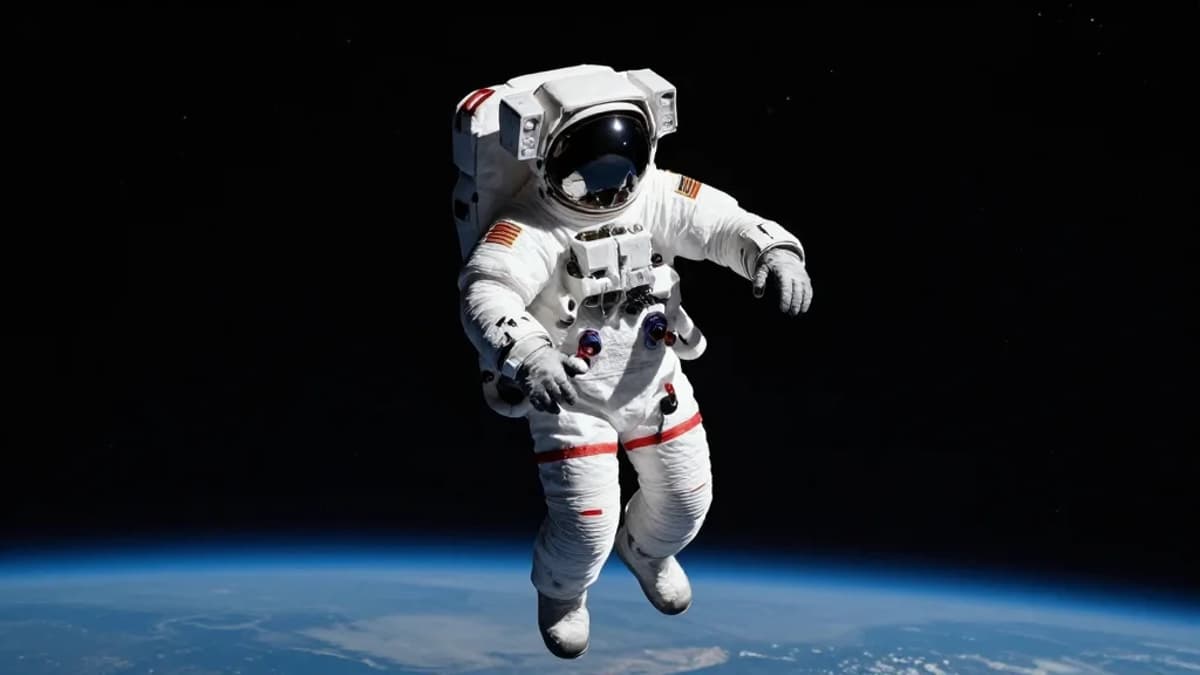
When Bruce McCandless II stepped away from the Space Shuttle Challenger on February 7, 1984, he performed the first untethered extravehicular activity in human spaceflight history. The mission marked the culmination of a decade of research into self‑propelled EVA suits, building on lessons from Apollo and Skylab. The Manned Maneuvering Unit, a nitrogen‑pressurized backpack, gave astronauts the ability to navigate without a physical tether, opening new operational concepts for satellite repair, orbital construction, and deep‑space exploration. The MMU’s success also spurred interest in robotic servicing missions, influencing later projects like the Canadarm and the Hubble Space Telescope repair.
During the 1‑hour‑22‑minute EVA, McCandless drifted as far as 320 feet (98 meters) from Challenger, testing the MMU’s hand‑controlled thrusters and confirming precise maneuverability. He also used specially designed bifocal lenses to maintain visual acuity inside the helmet and a Manipulator Foot Restraint platform for stable tool handling. The successful demonstration proved that astronauts could conduct complex tasks independently, reducing reliance on tethered procedures and informing NASA’s subsequent EVA protocols for the Space Shuttle and International Space Station. Data collected on fuel consumption and control latency informed the design of subsequent propulsion‑based EVA tools.
The legacy of the 1984 untethered walk resonates in today’s commercial and government missions. Modern EVA suits, such as NASA’s xEMU and private‑sector designs, incorporate autonomous navigation concepts first validated by the MMU. As agencies plan lunar gateway construction and Mars surface operations, the ability to move freely without tethers remains a critical capability. McCandless’s flight thus serves as both a technological milestone and a proof‑of‑concept that continues to shape the future of human space exploration. Future concepts, such as NASA’s Jet Propulsion Laboratory’s SAFER‑like devices for lunar habitats, trace their lineage to the MMU’s pioneering architecture.
Feb. 7, 1984: First untethered spacewalk
0
Comments
Want to join the conversation?
Loading comments...