Companies Mentioned


Why It Matters
The flight demonstrates that commercial space operators are actively removing physical barriers, opening astronaut opportunities to people with disabilities. It signals a broader market shift toward accessible tourism and may inspire policy and engineering adaptations across the industry.
Key Takeaways
- •Michi Benthaus became first wheelchair user to cross Kármán line
- •Blue Origin's New Shepard suborbital flight lasted about ten minutes
- •Former SpaceX exec Hans Koenigsmann facilitated Benthaus's spaceflight
- •Flight carried six passengers, including engineers and entrepreneurs
- •Achievement highlights growing accessibility in commercial space tourism
Pulse Analysis
Blue Origin’s New Shepard suborbital platform has become a proving ground for inclusive spaceflight, and the recent NS‑37 mission marks a milestone for disability representation in orbit‑adjacent travel. By partnering with Michi Benthaus, a European Space Agency engineer who uses a wheelchair, the company showcased how adaptable vehicle design and rigorous safety protocols can accommodate a broader range of passengers. This achievement aligns with a growing trend among private launch firms to market seats not just on the basis of thrill, but also on the promise of universal access.
The involvement of Hans Koenigsmann, a veteran of SpaceX’s early development, adds credibility to the technical feasibility of such missions. His expertise in launch reliability helped tailor the pre‑flight training and cabin modifications needed for Benthaus’s safe ascent and descent. The successful ten‑minute flight, which crossed the internationally recognized 100‑kilometer Kármán line, validates that suborbital vehicles can meet stringent accessibility standards without compromising performance, encouraging other operators to consider similar accommodations.
Beyond the symbolic impact, this flight may influence regulatory frameworks and insurance models as agencies worldwide grapple with defining astronaut eligibility and safety requirements for passengers with disabilities. Investors and tourism operators are likely to view accessibility as a market differentiator, potentially unlocking new revenue streams. As commercial space tourism matures, the Benthaus mission sets a precedent that could accelerate the development of adaptive technologies, fostering a more diverse and inclusive future for humanity’s ventures beyond Earth.
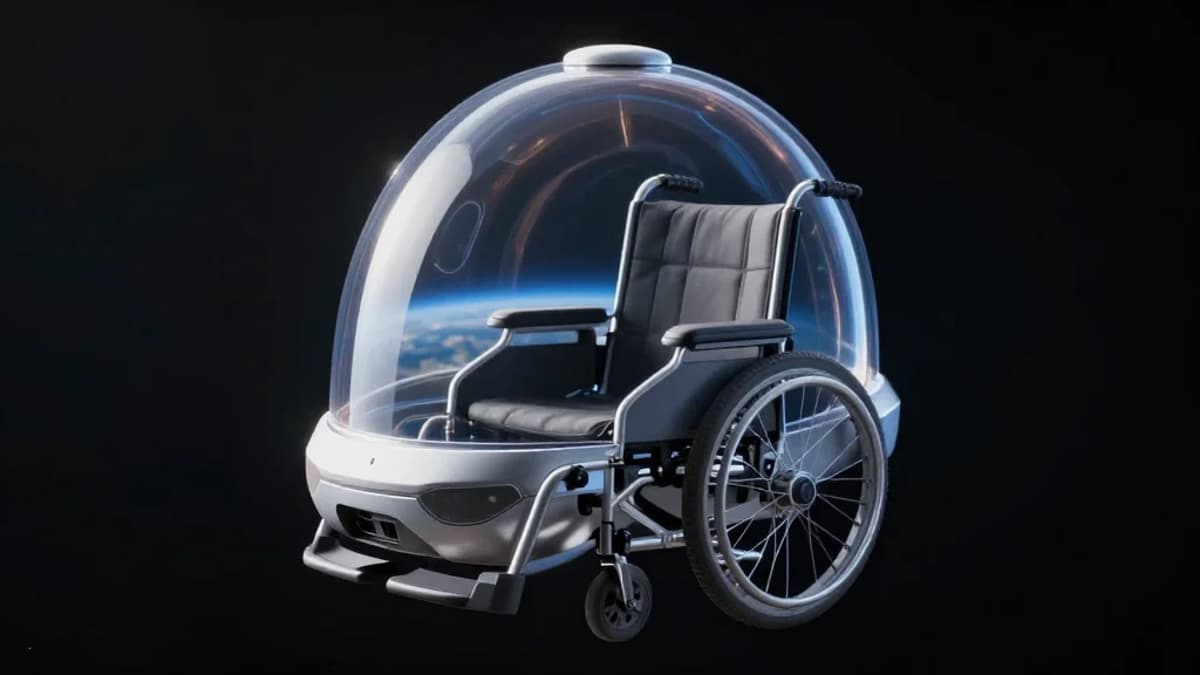
First Wheelchair User Flies to Space
0
Comments
Want to join the conversation?
Loading comments...