Flammability Testing Configuration and Approach of Barrier MaterialAssemblies Designed for Space Flight Applications
•March 9, 2026
0
Why It Matters
Validated barrier testing directly enhances crew safety and informs material selection for next‑generation spacecraft, reducing fire‑related mission risk.
Key Takeaways
- •NASA develops standardized flammability test for spacecraft barriers
- •Multi-center collaboration includes JSC, WSTF, MSFC experts
- •Test simulates cabin ignition using typical spacecraft materials
- •Results aim to certify barrier effectiveness for crew safety
- •Configuration informs future spacecraft interior material selection
Pulse Analysis
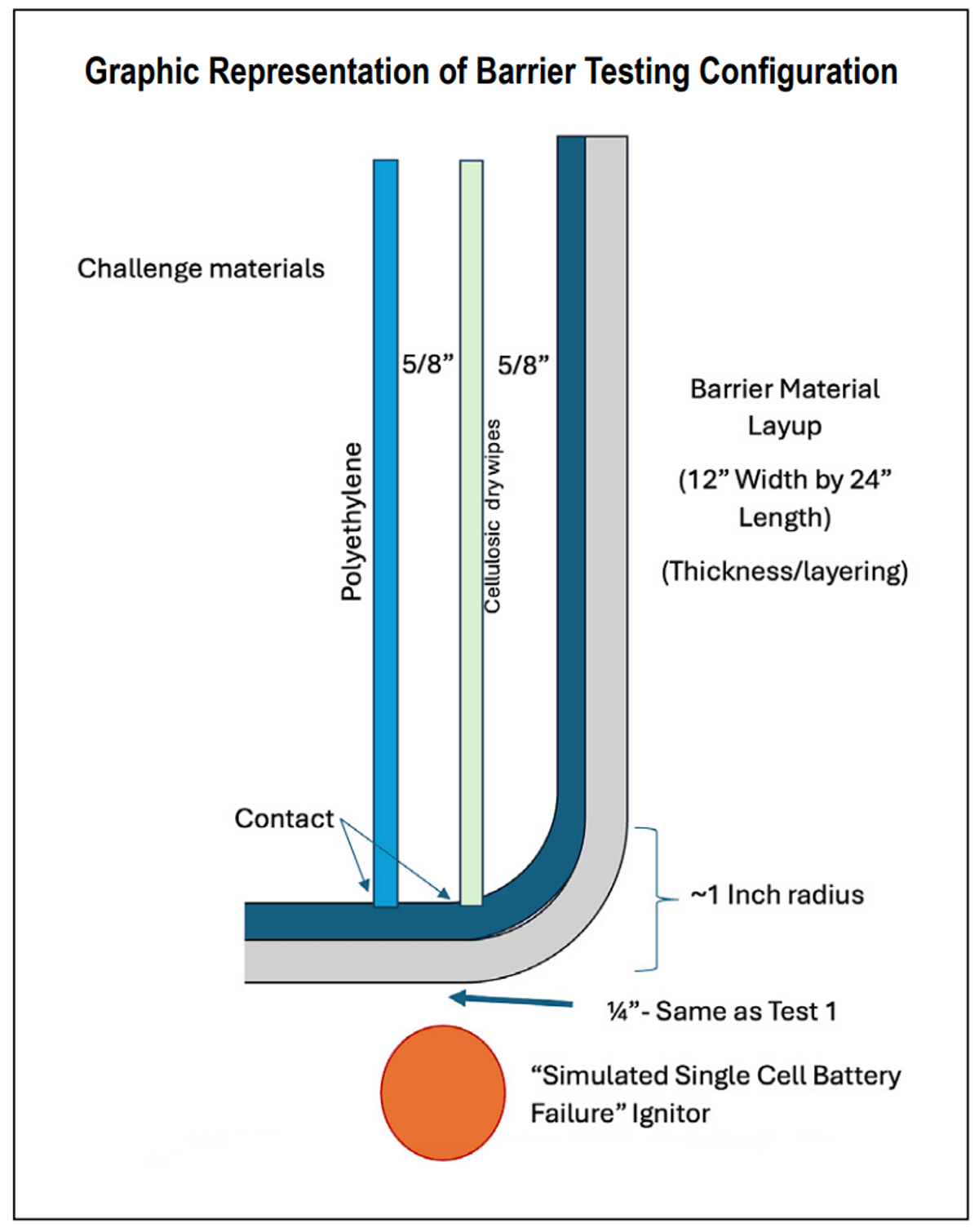
Fire safety remains a top priority for human spaceflight, especially as spacecraft interiors become more densely packed with electronics and polymer‑based components. NASA’s Engineering and Safety Center recognized a gap in quantifying how barrier assemblies perform under realistic ignition scenarios. By designing a test that mirrors the cabin environment—complete with typical flammable materials and potential ignition sources—the agency establishes a baseline for evaluating barrier efficacy, a critical step toward protecting astronauts from catastrophic fire events.
The newly devised testing configuration draws on expertise from Johnson Space Center, White Sands Test Facility, and Marshall Space Flight Center. Engineers constructed a modular test chamber that replicates spacecraft cabin geometry, integrates standardized heat sources, and measures flame spread, temperature gradients, and gas emissions. This collaborative approach ensures that the methodology reflects diverse operational conditions across low‑Earth orbit, lunar, and deep‑space habitats. The data generated will feed into certification criteria, enabling manufacturers to demonstrate compliance with rigorous fire‑resistance standards before hardware integration.
Beyond NASA’s internal programs, the test framework offers commercial space operators a clear pathway to validate their interior materials, fostering industry-wide confidence in safety standards. As private entities accelerate crewed missions, a universally accepted barrier‑performance benchmark can streamline regulatory approvals and reduce development timelines. Ultimately, this initiative not only safeguards crew lives but also sets a precedent for systematic risk mitigation in the evolving spaceflight ecosystem.
Flammability Testing Configuration and Approach of Barrier MaterialAssemblies Designed for Space Flight Applications
0
Comments
Want to join the conversation?
Loading comments...