Food Security for the Arctic and Deep Space Takes Next Step in New CSA Opportunity
•February 23, 2026
0
Why It Matters
The project creates dual‑use technology that strengthens Northern food sovereignty while advancing Canada’s capability for sustainable food production on future deep‑space missions.
Key Takeaways
- •CSA seeks Inuit partnership for deployable CEA design
- •$745k budget, 23‑month contract starting May 2026
- •Project targets Arctic food security and deep‑space missions
- •Builds on Deep Space Food Challenge and CANGrow system
- •Design must meet technical, environmental, cultural criteria
Pulse Analysis
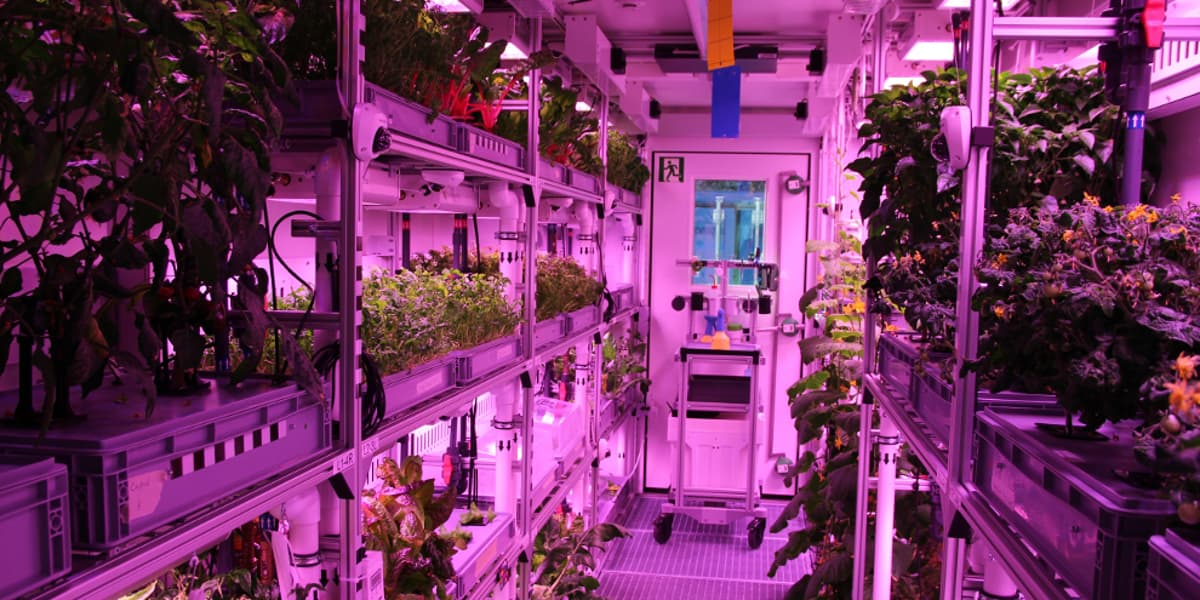
Arctic communities face extreme growing seasons, high transportation costs, and limited access to fresh produce, making food security a persistent challenge. By commissioning a deployable Controlled Environment Agriculture unit, the CSA is addressing these constraints with a modular, climate‑controlled solution that can be installed in remote Nunavut settlements. The requirement for an Inuit‑led partnership ensures that the design respects local cultural practices and leverages regional expertise, fostering economic participation and capacity building within Indigenous businesses.
The initiative also serves as a testbed for technologies destined for deep‑space habitats. Lessons learned from operating a CEA system in the harsh Arctic—such as energy efficiency, waste recycling, and autonomous control—directly translate to the closed‑loop environments required for long‑duration missions to the Moon or Mars. The CSA’s earlier Deep Space Food Challenge and the successful CANGrow modular system demonstrate a growing ecosystem of Canadian innovators focused on high‑yield, low‑resource food production, positioning Canada as a leader in space‑based agriculture research.
Beyond scientific gains, the tender creates a strategic bridge between national security, Indigenous economic development, and the commercial space sector. By integrating Inuit cultural requirements into the engineering process, the project sets a precedent for inclusive design in high‑technology contracts. Successful deployment could spawn a new market for portable CEA units, attracting private investment and expanding export opportunities for Canadian firms specializing in sustainable agriculture and aerospace engineering.
Food security for the Arctic and deep space takes next step in new CSA opportunity
0
Comments
Want to join the conversation?
Loading comments...