For 40 Minutes, the Greatest Solitude Humans Have Known
Companies Mentioned

NASA
Why It Matters
The episode proves humans can operate autonomously in deep‑space environments, a prerequisite for future lunar landings and Mars missions, and it showcases the growing role of international and commercial partners in NASA’s Artemis program.
Key Takeaways
- •Artemis II crew spent 40 minutes behind the Moon, out of contact
- •First human eye observations of the lunar far side during a mission
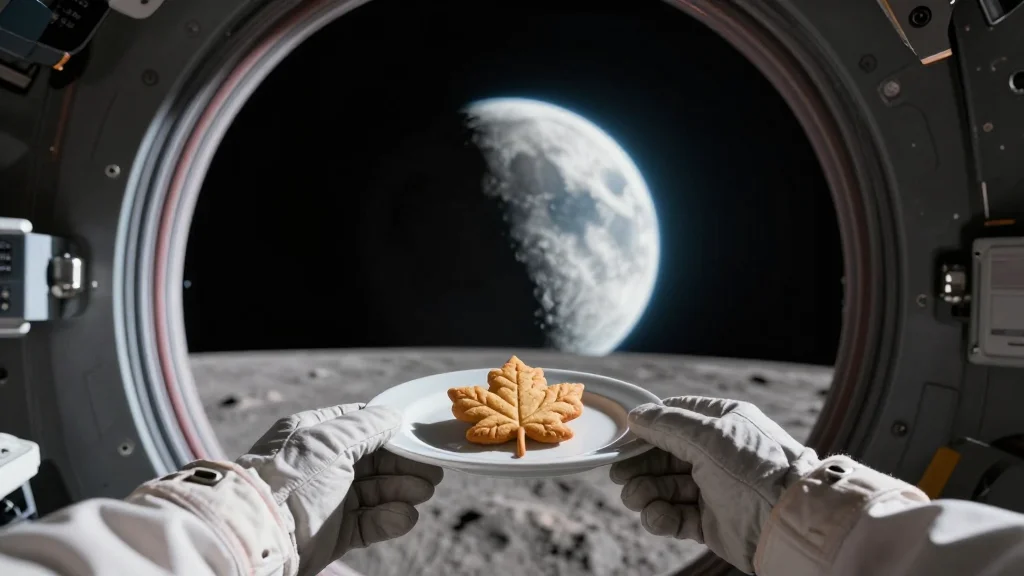
- •Astronauts shared maple cookies, highlighting international collaboration with CSA
- •Lunar eclipse created 54 minutes of totality, offering rare scientific data
Pulse Analysis
NASA’s Artemis II mission marked a turning point for crewed deep‑space travel, demonstrating that a four‑person team can navigate a lunar flyby without real‑time ground support. The flight combined government expertise with commercial hardware, leveraging Orion’s advanced life‑support systems and the Space Launch System’s heavy‑lift capability. By partnering with the Canadian Space Agency for provisions and integrating data from private telemetry providers, Artemis II illustrates the increasingly hybrid nature of modern space programs, where public‑private collaboration accelerates mission cadence and reduces costs.
The 40‑minute period of complete radio blackout offered a rare psychological and operational test. Astronauts experienced profound solitude, relying solely on onboard instruments and each other to maintain safety and conduct observations. Such isolation mirrors the conditions expected on future lunar surface stays and Mars voyages, making the episode valuable for refining crew autonomy protocols, mental‑health support strategies, and contingency procedures when Earth‑based assistance is unavailable.
From a market perspective, Artemis II’s success fuels investor confidence in the burgeoning lunar economy. Demonstrated human‑eye observations of the far side provide unique data that can inform commercial lunar mining, habitat placement, and tourism concepts. As NASA prepares Artemis III for a crewed landing, private firms are positioning themselves to supply habitats, propulsion, and in‑situ resource utilization technologies, anticipating a new wave of commercial activity on the Moon and beyond. The mission’s blend of scientific achievement and commercial partnership signals a robust growth trajectory for the space sector.
For 40 minutes, the greatest solitude humans have known
Comments
Want to join the conversation?
Loading comments...