Companies Mentioned

Why It Matters
If NTP can deliver the promised efficiency gains, it could make human missions to Mars feasible within a decade, reshaping deep‑space exploration economics and timelines.
Key Takeaways
- •NTP offers double efficiency versus chemical rockets
- •MIT lab tests nuclear fuels for propulsion
- •Modeling couples thermodynamics with neutronics
- •Startup/shutdown complexity raises material challenges
- •NASA targets NTP for 2030s human Mars missions
Pulse Analysis
Nuclear thermal propulsion sits at the intersection of nuclear engineering and aerospace, offering a leap in performance over traditional chemical rockets. By heating a propellant such as hydrogen to extreme temperatures, NTP can achieve specific impulses exceeding 900 seconds, roughly twice that of the best chemical engines. This efficiency translates into shorter transit windows—potentially cutting a Mars round‑trip from months to weeks—thereby reducing crew exposure to radiation and microgravity. As commercial and governmental entities race toward crewed Mars, the technology’s promise aligns with broader goals of faster, more sustainable deep‑space travel.
At MIT, Hampson’s work exemplifies the academic rigor needed to move NTP from concept to flight‑ready hardware. Using a streamlined one‑dimensional model, he simulates temperature, pressure, and neutron flux across the reactor, turbopump, and nozzle, revealing how design choices impact overall thrust and safety margins. The coupling of thermodynamic and neutronic phenomena is especially critical; rapid temperature spikes can induce material fatigue, while residual decay heat complicates engine shutdown. MIT’s research reactor provides a unique platform to test fuel elements under realistic thermal loads, addressing the durability questions that have stalled previous NTP programs.
The broader industry impact hinges on overcoming cost, regulatory, and public perception hurdles. NASA’s 2030s Mars architecture now lists NTP as a viable option, but funding must justify the higher upfront investment compared with chemical alternatives. Successful demonstrations could spur private sector interest, driving a new market for nuclear‑powered launch systems and potentially lowering the carbon footprint of spaceflight. Continued collaboration between universities, national labs, and aerospace firms will be essential to mature the technology, certify safety standards, and ultimately enable humanity’s next giant leap beyond the Moon.
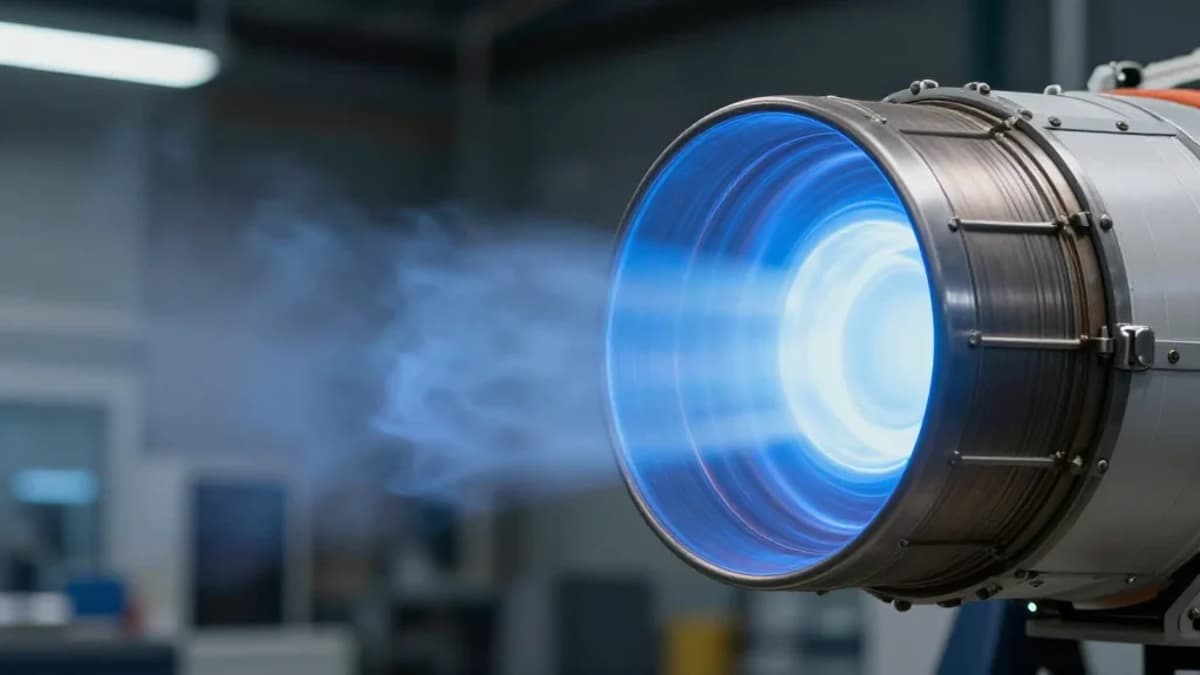
Fueling research in nuclear thermal propulsion
0
Comments
Want to join the conversation?
Loading comments...