German Defense Firm Said to Be Weighing Bid for Mynaric
•February 22, 2026
0
Why It Matters
The contest over Mynaric highlights Europe’s drive for sovereign defence tech and could reshape Rocket Lab’s European market foothold, influencing the competitive landscape of satellite communications.
Key Takeaways
- •Rheinmetall eyes Mynaric to secure laser communications
- •Rocket Lab's $150M acquisition faces regulatory delays
- •EU scrutiny rising on foreign defense tech takeovers
- •Laser terminals essential for next-gen LEO defense constellations
- •Mynaric's financial strain boosts its strategic importance
Pulse Analysis
European governments are increasingly linking defence budgets to industrial policy, aiming to preserve strategic capabilities within the bloc. Rheinmetall’s interest in Mynaric signals a broader effort to consolidate critical laser‑communication assets, ensuring that key optical‑link technology remains under German or EU ownership. This aligns with Berlin’s post‑Ukraine‑war agenda, which prioritises sovereign supply chains for high‑performance space and defence systems, reducing reliance on non‑European vendors.
For Rocket Lab, securing Mynaric would have closed a technology gap, allowing the launch provider to offer end‑to‑end satellite services that include in‑orbit laser data links. The stalled acquisition exposes the risks of cross‑border M&A in a sector where national security considerations dominate regulatory review. A loss of the deal could force Rocket Lab to source optical terminals from third parties, potentially increasing costs and complicating compliance for U.S. government contracts.
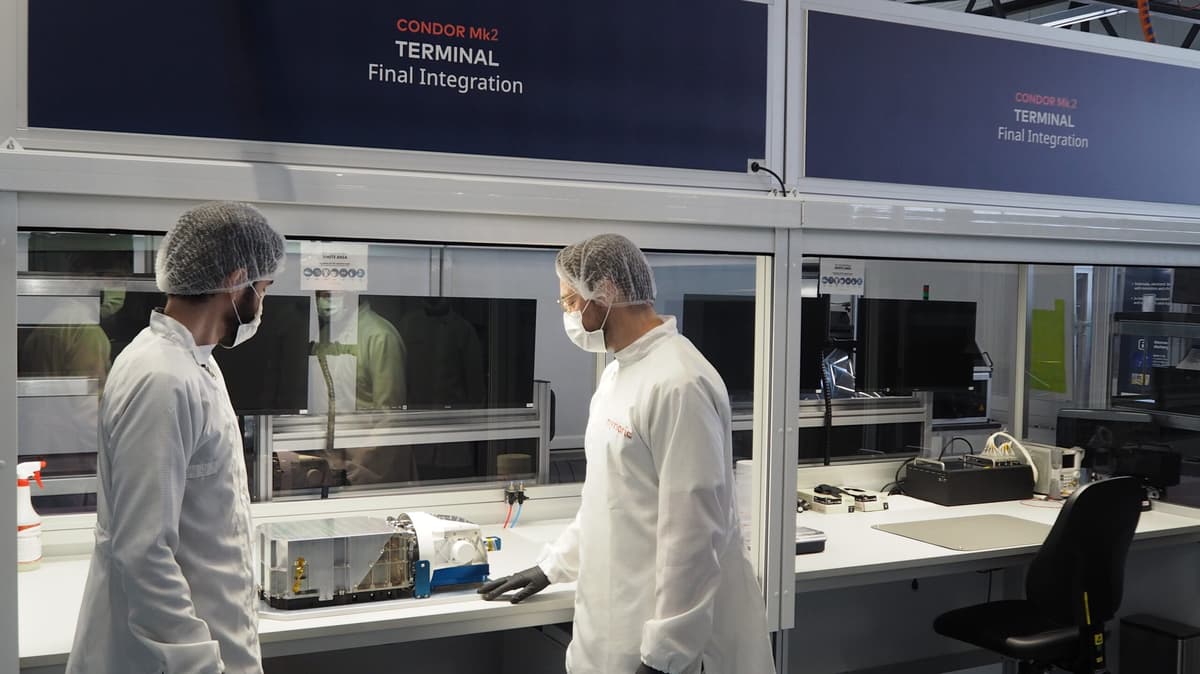
Laser‑communication terminals like Mynaric’s CONDOR Mk3 are becoming indispensable for low‑Earth‑orbit constellations that demand high‑throughput, jam‑resistant links. Their ability to transmit terabits per second over inter‑satellite distances makes them attractive for both commercial broadband and military networks such as the U.S. Space Development Agency’s Proliferated Warfighter Architecture. As demand for resilient, high‑speed space links grows, the market for optical terminals is set to expand rapidly, positioning firms that control this technology at the forefront of the next wave of space‑based communications.
German defense firm said to be weighing bid for Mynaric
0
Comments
Want to join the conversation?
Loading comments...