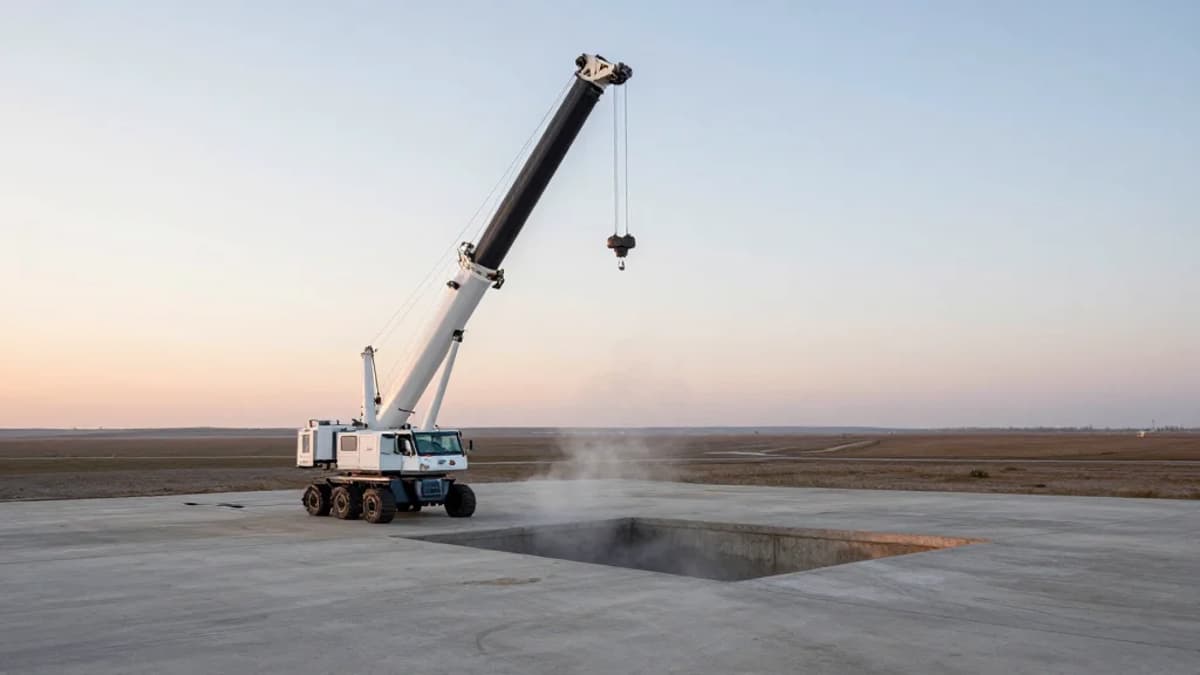
Has Roscosmos Gotten Its Baikonur Soyuz-2 Launchpad Fixed Already?
•February 10, 2026
0
Companies Mentioned

Why It Matters
Restoring the launchpad could revive Russia's Soyuz‑2 cadence from Baikonur, preserving a key asset for both government and commercial missions. The development signals Roscosmos' ability to overcome logistical setbacks that have threatened launch reliability.
Key Takeaways
- •Repairs reportedly finished by Feb 10, 2026
- •Damage stemmed from mis‑installed service platform in November
- •Earlier reports cited winter weather and parts delays
- •Pad’s status remains unconfirmed, based on rumors
- •Restoration could resume Soyuz‑2 launches from Baikonur
Pulse Analysis
Baikonur Cosmodrome remains the cornerstone of Russia's human and payload launch capability, with Site 31 serving as the primary pad for the workhorse Soyuz‑2 family. The facility’s strategic importance extends beyond national missions, supporting commercial satellite deployments and international partnerships. When the service platform collapsed into the flame trench in November, it halted a critical launch pipeline, underscoring the vulnerability of aging infrastructure in a competitive space market.
The repair effort faced a confluence of challenges: harsh winter conditions hampered construction crews, while supply‑chain bottlenecks delayed the arrival of replacement components. Initial Roscosmos briefings projected a March completion, but recent rumor‑driven reports suggest the new service platform was installed by early February. Although the source is unverified, the timeline hints at an accelerated response, possibly driven by pressure to meet upcoming launch contracts and maintain Russia's presence in the low‑Earth‑orbit segment.
If the pad is indeed operational, Roscosmos can resume a steady cadence of Soyuz‑2 flights, reinforcing its launch manifest and offering an alternative to emerging competitors like SpaceX and Arianespace. A functional Baikonur launchpad also bolsters confidence among commercial clients seeking reliable access to orbit, especially as geopolitical tensions push some customers toward diversified launch options. However, the reliance on rumor‑based confirmation highlights the need for transparent communication to assure stakeholders of safety and schedule integrity.
Has Roscosmos gotten its Baikonur Soyuz-2 launchpad fixed already?
0
Comments
Want to join the conversation?
Loading comments...