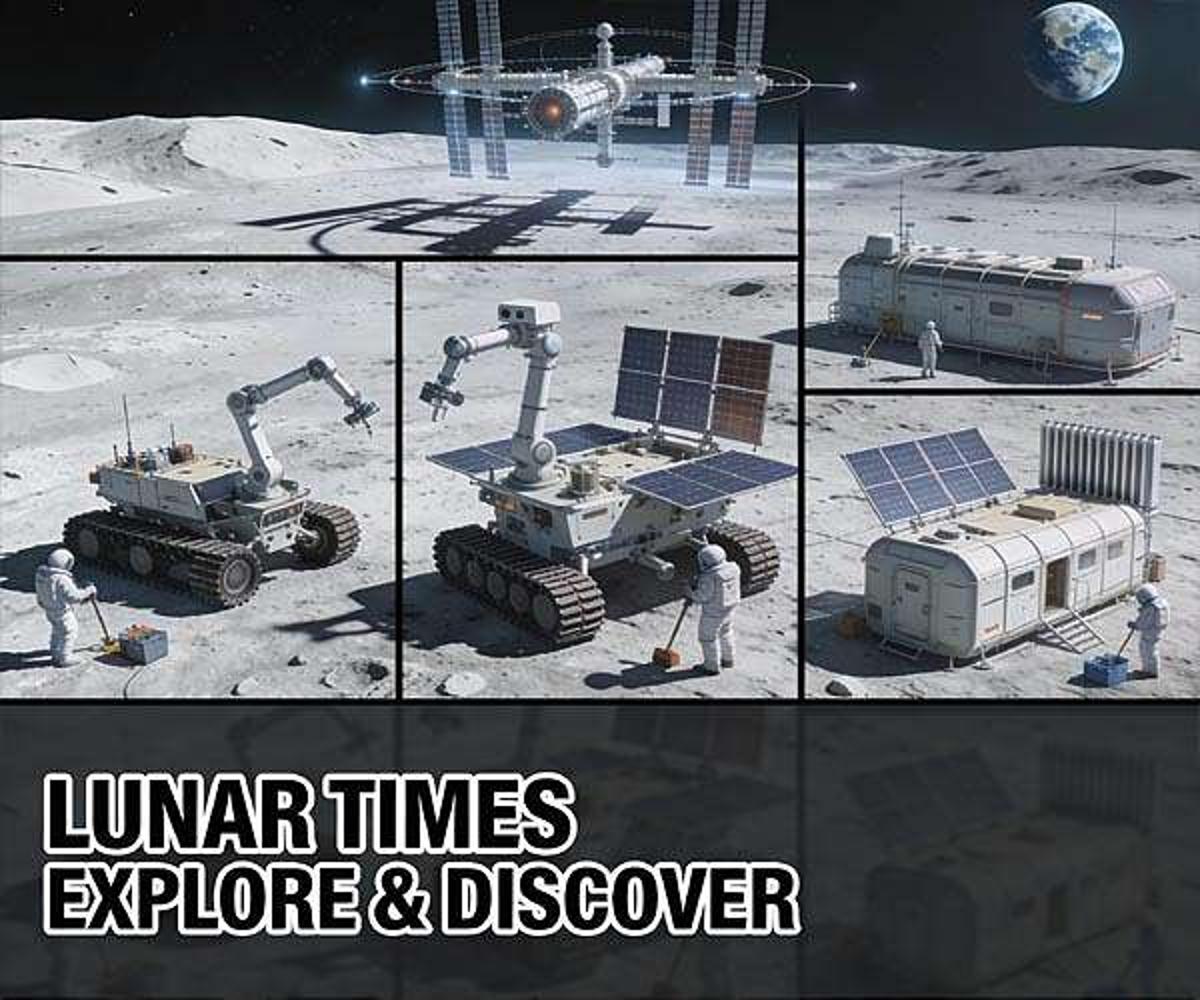
Hostage to the Moon - How Artemis Became Industrial Welfare in a Space Suit - Part 2
•March 9, 2026
0
Why It Matters
The plan locks in billions of federal jobs and contracts while inflating lunar exploration costs, shaping NASA’s budget and U.S. space policy for years.
Key Takeaways
- •SLS Block‑1 retained, avoiding costly Block‑1B upgrade.
- •Annual SLS flights generate billions, sustaining aerospace jobs.
- •SpaceX and Blue Origin receive continued HLS funding.
- •Artemis spending projected at $93 billion through FY 2025.
- •Program’s political entanglement makes cancellation unlikely.
Pulse Analysis
The February 2026 Artemis revision is less a technical upgrade than a political compromise. By freezing the heavy‑lift system at the Block‑1 configuration, NASA sidesteps the expensive Exploration Upper Stage and Mobile Launcher 2, preserving the production lines that employ thousands in Alabama, Mississippi and Texas. Each additional SLS launch, priced near $4 billion, translates directly into continued contracts for Boeing, Lockheed Martin and a network of subcontractors. In effect, the agency has traded potential performance gains for a predictable flow of federal dollars into established aerospace districts.
At the same time, the program leans heavily on commercial Human Landing Systems. SpaceX’s Starship and Blue Origin’s Blue Moon are both kept on the schedule through a 2027 LEO docking test, giving them high‑visibility milestones without demanding an immediate lunar touchdown. This dual‑track approach spreads risk and satisfies congressional constituencies that champion both companies. The flexibility also allows NASA to showcase “progress with partners” even if one lander lags, while the continued funding stream sustains private‑sector investment that is now intertwined with the national lunar agenda.
Financially, the revised architecture adds billions to an already $93 billion Artemis tally through FY 2025, and the commitment to at least one lunar landing per year after 2027 locks in a long‑term cost trajectory. Critics warn that the program’s entrenched industrial base makes it politically immune to deep cuts, but it also risks inflating the overall budget at the expense of other NASA priorities such as deep‑space science and Earth observation. The true test will be whether the hardware can meet safety and performance goals before the political patience—and the budget—run out.
Hostage to the Moon - How Artemis Became Industrial Welfare in a Space Suit - Part 2
0
Comments
Want to join the conversation?
Loading comments...