How Astronauts Will Fix Their Gear Using Thin Air
•January 16, 2026
0
Why It Matters
Using Mars’ native CO₂ as a shield gas removes a major logistics hurdle and reduces mission costs, accelerating the feasibility of long‑term off‑world settlements. The same insight offers Earth‑based manufacturers a cheaper alternative to expensive Argon, improving cost efficiency.
Key Takeaways
- •CO2 can replace Argon as SLM shield gas on Mars.
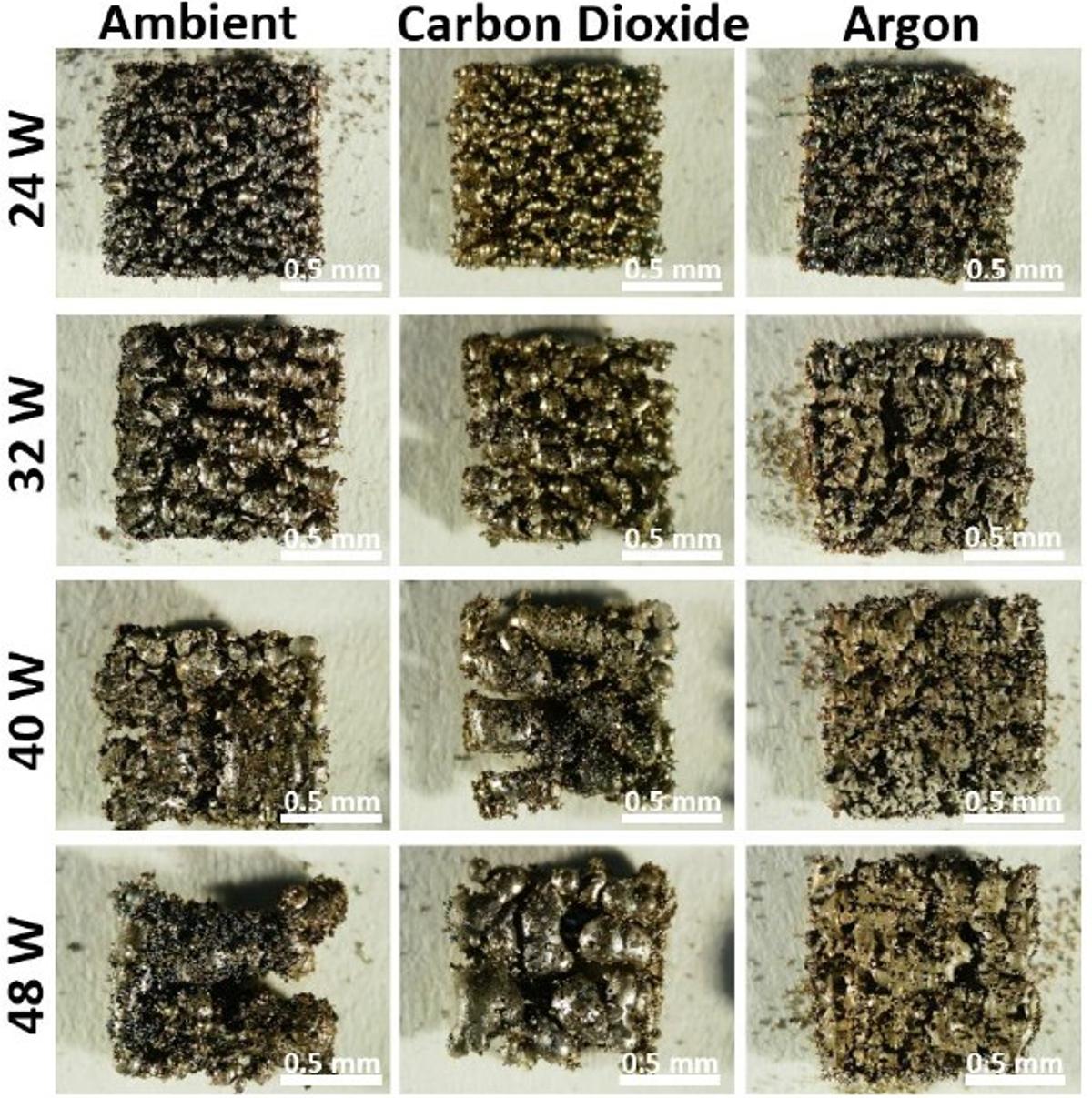
- •Printed parts retain ~85% area versus 98% with Argon.
- •Oxygen content 1.6× higher than Argon but still functional.
- •Using Martian atmosphere cuts import costs dramatically.
- •Findings may lower consumable costs for Earth metal printers.
Pulse Analysis
Additive manufacturing is a cornerstone of any sustainable extraterrestrial colony, allowing crews to fabricate tools, replacement parts, and structural components on demand. In the vacuum of space, traditional metal 3D‑printing processes like selective laser melting rely on inert shield gases—most commonly Argon—to prevent oxygen‑induced brittleness. Argon’s scarcity on Mars, combined with the high expense of transporting pressurized tanks from Earth, has long been a logistical bottleneck for mission planners seeking in‑situ resource utilization.
The University of Arkansas researchers demonstrated that Mars’ carbon‑dioxide‑rich atmosphere can function as an effective, albeit slightly less optimal, shield gas. Their experiments revealed that CO₂‑based SLM prints retain about 85% of their intended geometry, compared with 98% for Argon, and exhibit only a modest increase in oxygen content—still well below the degradation seen with ambient air. By leveraging the planet’s own gases, future crews could operate 3D printers without the need to haul massive Argon supplies, translating into millions of dollars saved per mission and freeing payload capacity for other critical supplies.
Beyond space, the findings resonate with Earth‑based metal‑printing firms that grapple with Argon’s rising cost and supply constraints. Substituting CO₂ for non‑critical components could lower consumable expenses while maintaining acceptable performance, though aesthetic compromises may limit broader adoption. As the industry balances cost, quality, and brand perception, this research opens a dialogue on re‑evaluating inert gas standards and encourages further exploration of alternative shielding strategies for both off‑world and terrestrial additive manufacturing.
How Astronauts Will Fix Their Gear Using Thin Air
0
Comments
Want to join the conversation?
Loading comments...