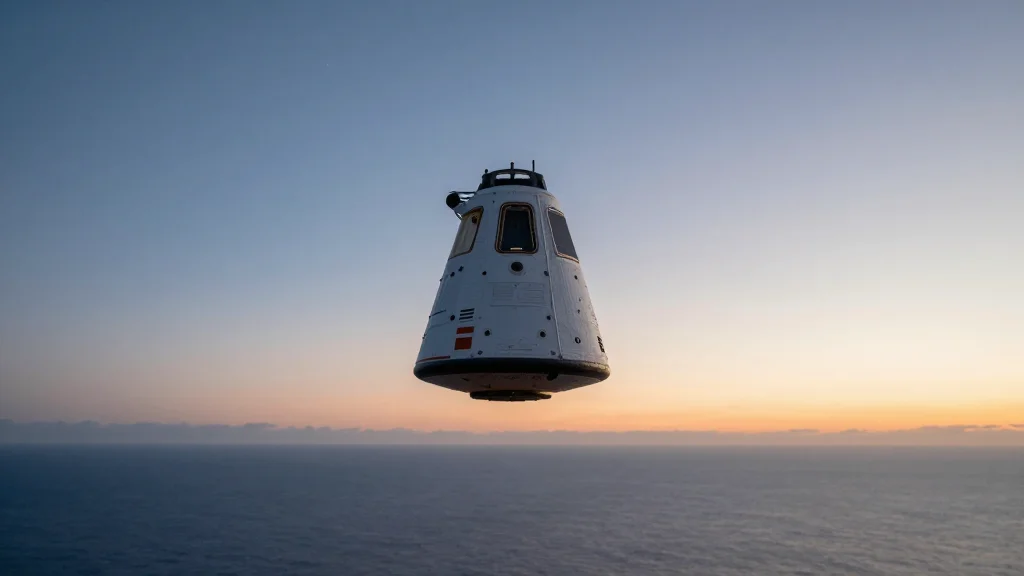
How to Observe Artemis 2’s Last Day in Space with a Telescope
Companies Mentioned
Why It Matters
Spotting Artemis 2 turns a historic NASA mission into a participatory event, boosting public engagement and showcasing the growing capabilities of consumer‑grade telescopes and citizen‑science platforms.
Key Takeaways
- •Artemis 2 visible early Friday, April 10, for U.S. observers
- •14th‑magnitude Orion capsule requires 8‑inch+ telescopes or smartscopes
- •Low altitude; best viewing from southern U.S. with clear horizon
- •TheSkyLive and JPL Horizons provide minute‑by‑minute coordinates
- •Unistellar smartscopes enable citizen‑science data uploads for Artemis 2
Pulse Analysis
The Artemis II mission marks NASA’s first crewed flight around the Moon since Apollo, and its final descent offers a rare chance for amateur astronomers to witness a deep‑space vehicle re‑entering Earth’s atmosphere. While the capsule’s 14th‑magnitude glow is far dimmer than the International Space Station, its rapid motion against the star field creates a distinctive streak that can be captured with modest equipment. This visibility window, occurring just before sunrise, adds a dramatic backdrop to a mission that paves the way for future lunar landings and eventual Mars exploration.
Capturing Artemis II requires more than a casual glance. Observers need at least an 8‑inch aperture telescope or a smartscope with long‑exposure capabilities to discern the faint object. Tools such as TheSkyLive and NASA’s JPL Horizons generate minute‑by‑minute ephemerides, allowing users to pinpoint altitude and azimuth as the capsule climbs to a maximum of 25° above the horizon in the southern sky. Location matters: the farther south you are, the higher the craft will appear, making clear, unobstructed horizons essential for successful tracking.
The event also highlights the commercial rise of smart telescopes and citizen‑science initiatives. Companies like Unistellar have integrated Artemis II into their observation platforms, letting users download ephemerides directly to their devices and upload images to a shared data pool. This collaboration not only enriches public participation but also provides NASA with supplemental visual data. As more hobbyists adopt networked optics, the line between professional and amateur astronomy blurs, opening new revenue streams for hardware manufacturers and expanding the data‑collection capabilities of future space missions.
How to observe Artemis 2’s last day in space with a telescope
Comments
Want to join the conversation?
Loading comments...