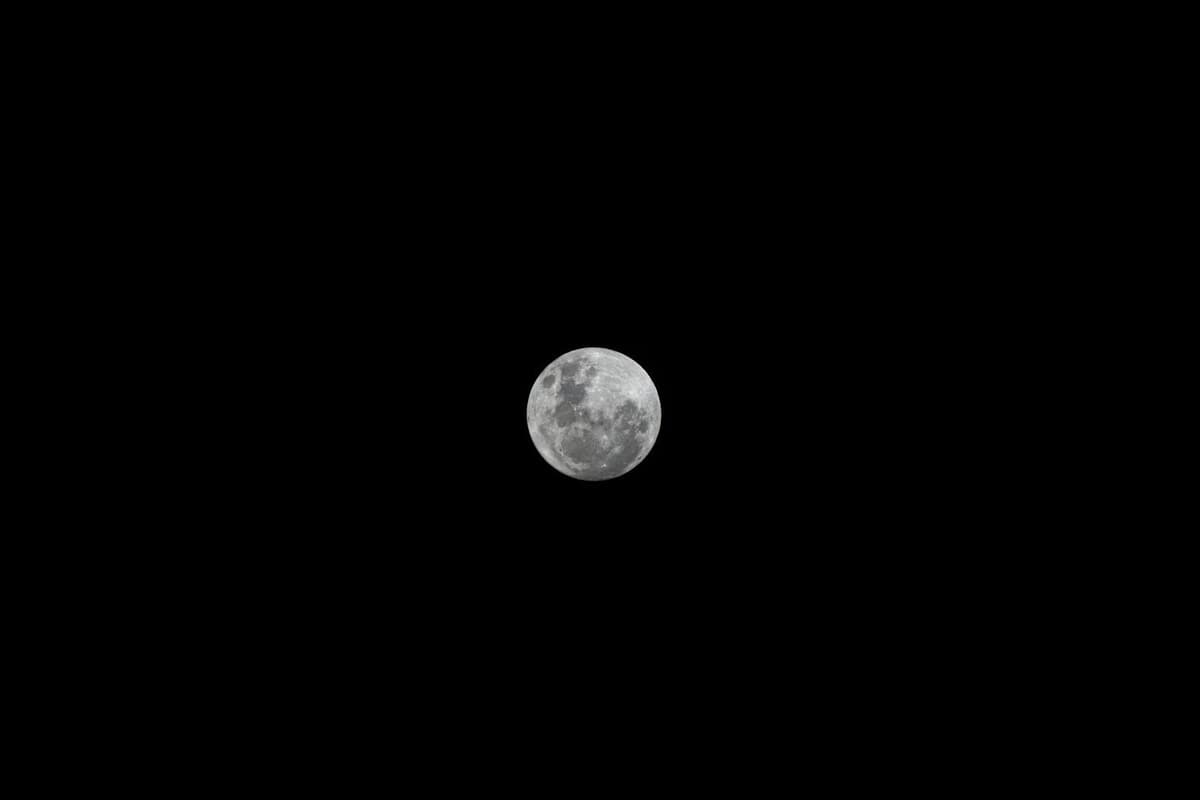
In 1959, the Soviet Luna 3 Probe Swung Around the Far Side of the Moon and Took 29 Grainy Photographs of a Hemisphere Humans Had Never Seen, Then Developed the Film Onboard and Scanned the Negatives with a Flying-Spot Beam to Radio Them Back Across Nearly 480,000 Kilometres of Vacuum
Companies Mentioned

NASA
Why It Matters
Luna 3 gave humanity its first visual access to the Moon’s hidden face, reshaping lunar science and cartography. Its engineering blueprint—film processing, analog scanning and long‑range telemetry—became a template for every subsequent planetary probe.
Key Takeaways
- •Luna 3 captured 29 far‑side photos in 40 minutes, 1959
- •Images revealed far side lacks maria, showing a rugged, cratered terrain
- •Onboard film processing and flying‑spot scanner transmitted pictures across 300,000 miles
- •Mission proved automated chemical imaging could work in deep space
- •Luna 3 set template for later planetary probes and far‑side communications
Pulse Analysis
When Luna 3 slipped behind the Moon in October 1959, it delivered the first glimpse of a world that had existed only as a blank spot on maps. The 29 grainy frames, taken from an altitude of roughly 65,000 km, disclosed a stark contrast to the familiar near side: a brighter, heavily cratered terrain with almost no dark basaltic maria. This visual breakthrough forced scientists to rethink lunar formation theories and sparked a new era of cartographic detail that would later be refined by orbital missions.
The technical achievement behind those images is equally remarkable. Luna 3 carried temperature‑resistant 35 mm film, an automated chemical processor, and a flying‑spot scanner—a cathode‑ray tube that illuminated each negative line by line. As the film developed, the scanner converted brightness variations into an analog signal, which modulated the spacecraft’s radio transmitter. Over a distance approaching 300,000 miles, the faint signal was captured by Soviet ground stations, a feat that required precise thermal control, reliable film transport, and a robust telemetry link in an era before digital imaging.
Luna 3’s legacy extends far beyond its blurry pictures. It proved that a probe could perform complex, sequential mechanical operations autonomously, a concept that underpinned later missions such as NASA’s Lunar Orbiter, Voyager, and the Mars rovers. The mission also highlighted the communication challenges of far‑side operations, a problem solved decades later by China’s Queqiao relay for Chang’e 4. Today, high‑resolution maps of the far side owe their lineage to Luna 3’s pioneering, grainy frames, underscoring how a modest 278‑kg spacecraft reshaped both engineering practice and lunar science.
In 1959, the Soviet Luna 3 probe swung around the far side of the Moon and took 29 grainy photographs of a hemisphere humans had never seen, then developed the film onboard and scanned the negatives with a flying-spot beam to radio them back across nearly 480,000 kilometres of vacuum
Comments
Want to join the conversation?
Loading comments...