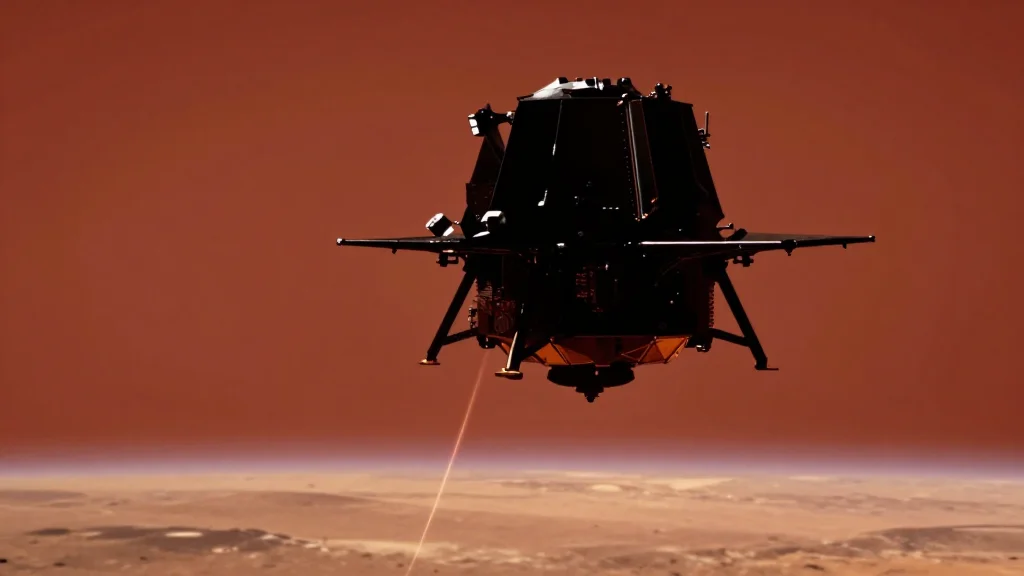
In 1999, NASA Lost a $125 Million Mars Spacecraft because of a Metric-versus-Imperial Mix-Up — the Kind of Conversion Mistake Most of Us Have Made, only This One Ended with a Probe Disappearing Into the Martian Atmosphere
Why It Matters
The loss highlights how cost‑driven shortcuts and inadequate system checks can turn a simple conversion mistake into a multi‑hundred‑million‑dollar disaster, reshaping risk‑management standards across aerospace and high‑tech industries.
Key Takeaways
- •Metric‑imperial unit mismatch dropped orbiter 170 km low
- •Cost $125 million lost due to software interface error
- •Program cuts under “faster, better, cheaper” reduced risk oversight
- •NASA instituted mandatory unit‑consistency checks after mishap
- •Case study now taught in aerospace and software engineering
Pulse Analysis
The Mars Climate Orbiter was launched in December 1998 to map Martian weather and act as a relay for the Polar Lander. Valued at $125 million, the probe completed a nine‑month cruise and entered Mars orbit on 23 September 1999. Instead of achieving its planned 170‑kilometer‑high trajectory, a miscalculated descent caused the spacecraft to plunge into the thin Martian atmosphere, where it was lost forever. The mishap instantly became a cautionary headline for the space community.
The root cause was a simple unit conversion slip: a segment of JPL’s navigation software reported thrust‑adjustment data in pound‑force seconds while the rest of the team expected newton‑seconds. The discrepancy went undetected for months, driving the orbiter’s trajectory 170 km lower than intended. An independent board later linked the error to the agency’s “faster, better, cheaper” push, which had slashed budgets and staffing, eroding the rigor of systems‑engineering reviews. In short, the technical bug survived because procedural safeguards were insufficient.
NASA’s response reshaped its risk‑management culture. New mandatory unit‑consistency audits, end‑to‑end software validation, and tighter configuration‑control processes were codified for all subsequent Mars missions. The incident now serves as a staple case study in aerospace engineering curricula and software‑development training, illustrating how a single number can cascade into a multi‑million‑dollar failure. For commercial space firms and defense contractors alike, the lesson reinforces the business imperative of investing in robust verification, even when cost pressures loom large.
In 1999, NASA lost a $125 million Mars spacecraft because of a metric-versus-imperial mix-up — the kind of conversion mistake most of us have made, only this one ended with a probe disappearing into the Martian atmosphere
Comments
Want to join the conversation?
Loading comments...