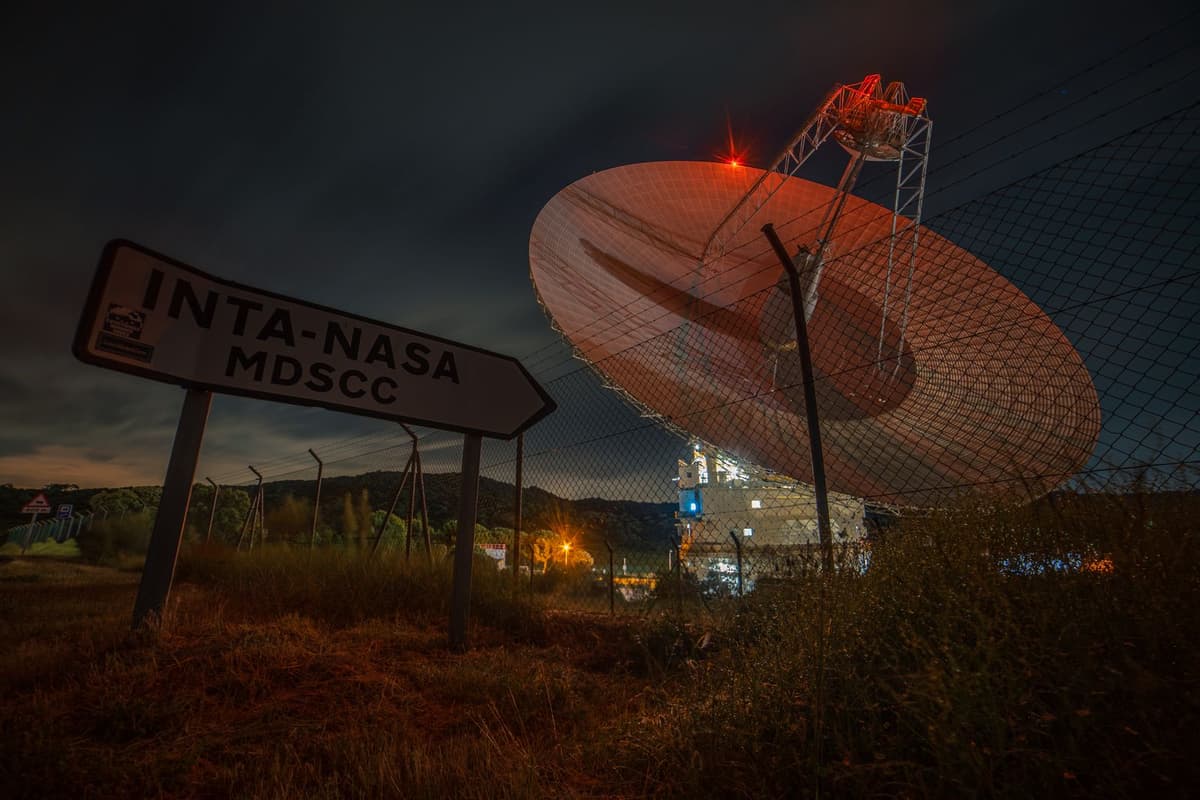
In Late 2023, Voyager 1 Began Sending Unreadable Data From Interstellar Space. NASA Engineers Eventually Traced the Fault to Corrupted Memory in One of the Probe’s Computers, Rewrote Part of Its 46-Year-Old Software, Transmitted the Fix Across More than 24 Billion Kilometres, and Waited Roughly 45 Hours for Confirmation that the Patch Had Worked.
Companies Mentioned

NASA
Why It Matters
Restoring Voyager 1’s data link buys critical years of interstellar science and proves that ultra‑remote software updates are feasible for future deep‑space missions.
Key Takeaways
- •Voyager 1’s data stream corrupted due to 1970s memory chip failure
- •Engineers rewrote software, relocating code to healthy memory sectors
- •Patch transmitted over 24 billion km, confirmed after 45‑hour round trip
- •Fix extends mission life, enabling science data into 2030s
- •Remote debugging showcases extreme deep‑space operations capability
Pulse Analysis
Voyager 1, launched in 1977, remains humanity’s most distant spacecraft, now cruising through interstellar space more than 24 billion kilometres from Earth. After more than four decades of continuous operation, its aging flight‑data subsystem began delivering a meaningless carrier signal in November 2023, effectively silencing the science payload. The anomaly highlighted the fragility of legacy hardware that was designed before modern micro‑electronics existed. As the probe’s radioisotope power source dwindles by a few watts each year, preserving its ability to transmit data has become a top priority for NASA’s Deep Space Network.
The root cause was traced to a single memory chip that had corrupted roughly three percent of the flight‑data subsystem’s storage, erasing a critical segment of the 1970s‑era software. With no physical repair possible, engineers resorted to a software‑only solution: they dissected the orphaned code, re‑mapped it into intact memory locations, and rewrote cross‑references so the program could execute as a cohesive whole. Because a command takes 22.5 hours to reach Voyager and another 22.5 hours for a reply, each test required a 45‑hour round‑trip, turning the fix into a high‑stakes, two‑day chess match.
The successful patch not only restored engineering telemetry within days but also revived scientific data flow, buying the mission several more years of valuable observations. This achievement demonstrates that even the most distant assets can be serviced remotely through clever software engineering, a capability that will be essential for upcoming interstellar probes such as the proposed Ice‑Giant Explorer. It also reinforces the importance of maintaining robust documentation and knowledge transfer as original designers retire. For the aerospace industry, Voyager’s rescue serves as a benchmark for ultra‑long‑duration mission resilience and cost‑effective deep‑space operations.
In late 2023, Voyager 1 began sending unreadable data from interstellar space. NASA engineers eventually traced the fault to corrupted memory in one of the probe’s computers, rewrote part of its 46-year-old software, transmitted the fix across more than 24 billion kilometres, and waited roughly 45 hours for confirmation that the patch had worked.
Comments
Want to join the conversation?
Loading comments...