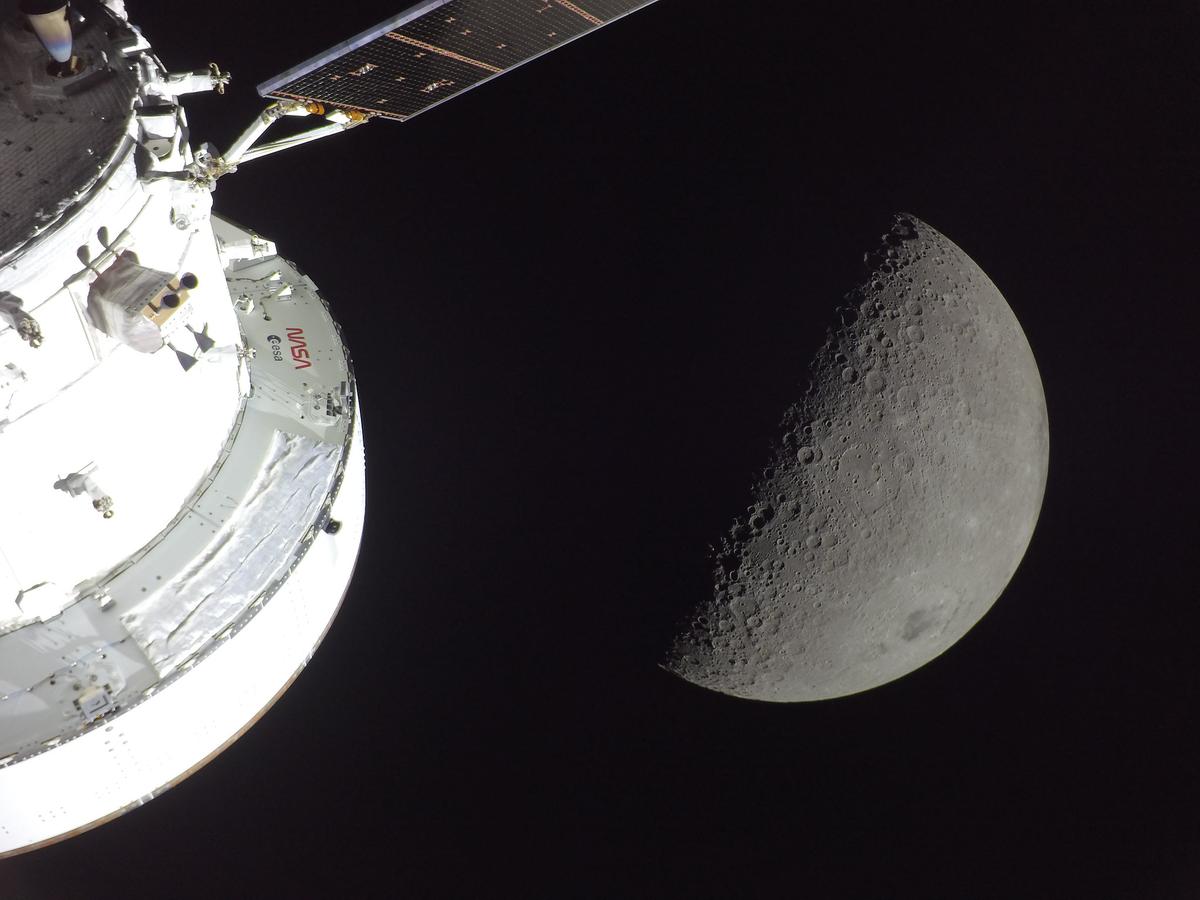
In the Wake of Artemis 2, America Needs to Consider the ‘Why’ of Its Government Space Program
Companies Mentioned
Why It Matters
Government‑first missions create the infrastructure and risk mitigation needed for commercial space to thrive, shaping U.S. strategic advantage and future economic growth in cislunar markets.
Key Takeaways
- •Artemis 2 funded under $10.1 billion "One Big Beautiful Bill" act.
- •SpaceX performed 88% of US LEO launches in 2025, mostly Starlink.
- •Government contracts require multiple contractors; SpaceX not sole lunar provider.
- •Commercial space relies on government risk reduction before profitable markets emerge.
- •US space policy driven by geopolitical competition, not just profit motives.
Pulse Analysis
The passage of the One Big Beautiful Bill Act, allocating roughly $10.1 billion to Artemis 4, Artemis 5, and other NASA initiatives, underscores Congress’s commitment to a government‑led space agenda. By insulating the program from proposed cuts, policymakers signal that lunar exploration serves broader national interests—science, technology, and strategic prestige—rather than immediate economic returns. This funding framework provides a stable platform for developing the habitats, propulsion, and communications infrastructure essential for future commercial activities beyond low‑Earth orbit.
Commercial launch providers, led by SpaceX, now dominate the U.S. launch market, accounting for 88% of 2025 LEO flights. Yet the bulk of those missions support the Starlink constellation, with only a fraction dedicated to non‑satellite payloads. SpaceX’s $2.9 billion lunar lander contract illustrates the limits of private capability; setbacks have already prompted NASA to consider diversifying contractors. The reality is that private firms still lack the risk‑tolerant environment that government missions can provide, making public investment a prerequisite for opening cislunar markets.
Strategically, the United States’ space policy is increasingly framed by competition with China, echoing the Cold‑War dynamics that sparked the original Apollo program. While profit motives drive commercial innovation, sustainable lunar and Martian economies will hinge on government‑seeded infrastructure and international partnerships. As the geopolitical stakes rise, clear articulation of the "why"—whether to secure national security, scientific leadership, or long‑term economic opportunity—will determine the pace and direction of both public and private space endeavors.
In the wake of Artemis 2, America needs to consider the ‘why’ of its government space program
Comments
Want to join the conversation?
Loading comments...