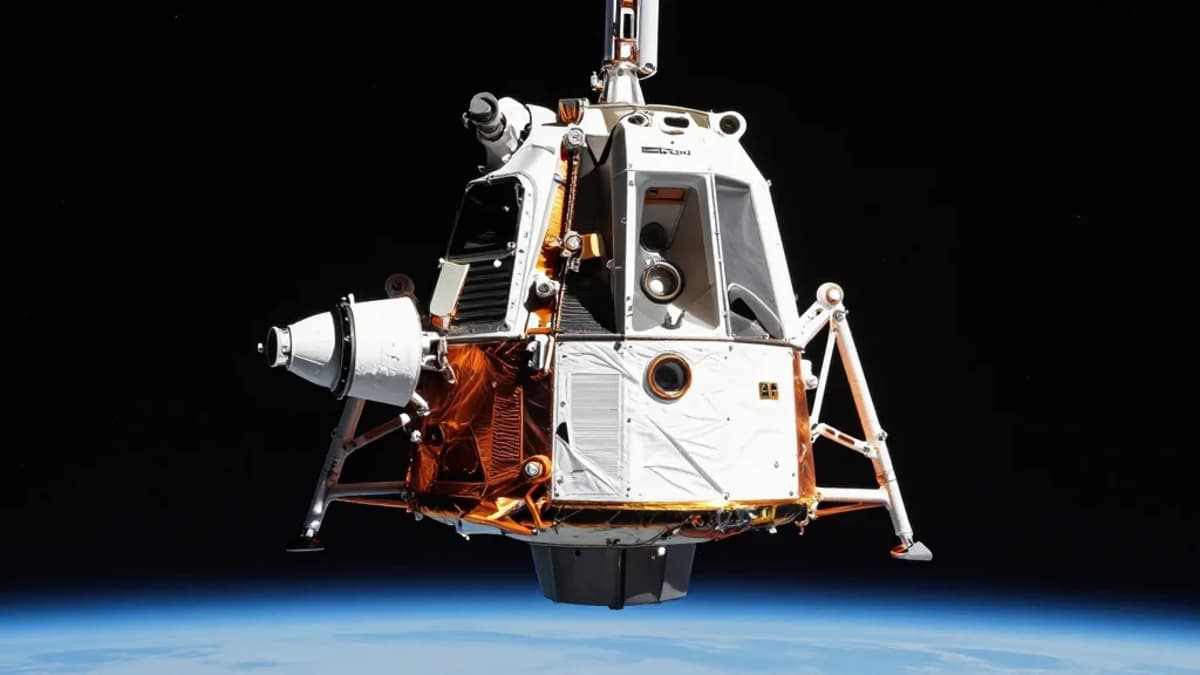
India Negotiating a Possible Gaganyaan Docking at ISS
•February 20, 2026
0
Why It Matters
The docking test accelerates India’s human‑spaceflight capabilities and positions its future space station for international collaboration, reshaping the global low‑Earth‑orbit market.
Key Takeaways
- •ISRO negotiating uncrewed Gaganyaan docking with ISS
- •Training program includes EVA, robotics, and mission control
- •Docking compatibility targeted for ISS, Dragon, Starliner, Soyuz
- •First Indian space station module slated for 2028 launch
- •Port availability may delay docking until post‑2029 tourist flights
Pulse Analysis
India’s Gaganyaan program, the nation’s first crewed spacecraft initiative, is moving beyond orbital flight tests toward operational human missions. A key milestone under discussion with NASA is an uncrewed docking of the Gaganyaan orbital module to the International Space Station. Such a demonstration would validate India’s rendezvous and docking technology, align its systems with the standards used by the United States, Russia, Europe, and private operators, and provide critical data for future crewed flights. The timing aligns with the planned launch of the first Bharatiya Antariksh Station module in 2028.
NASA’s cooperation framework covers three pillars: extensive astronaut and ground‑crew training, joint development of docking and berthing hardware, and shared mission‑control procedures. Indian engineers will gain hands‑on experience with extravehicular activity suits, robotic manipulators, and life‑support systems at Johnson Space Center, while NASA benefits from exposure to ISRO’s cost‑effective launch capabilities. The uncrewed docking test will also assess interoperability with existing ISS ports, as well as compatibility with commercial vehicles such as SpaceX’s Dragon and Boeing’s Starliner. This reciprocal knowledge exchange accelerates both agencies’ readiness for upcoming lunar gateway and deep‑space missions.
The docking demonstration is a strategic stepping stone toward India’s own orbital outpost, the Bharatiya Antariksh Station, slated for full assembly by 2035. By proving its docking interface now, ISRO reduces integration risk for future modules and positions the BAS as a potential partner for international research and commercial payloads. Moreover, securing a port on the ISS after the 2029 tourist flights could enhance India’s visibility in low‑Earth‑orbit commerce and pave the way for joint experiments with NASA, ESA, and private firms. Ultimately, the collaboration strengthens India’s standing in the emerging space‑economy race.
India negotiating a possible Gaganyaan docking at ISS
0
Comments
Want to join the conversation?
Loading comments...