Indian Startup Aule Space Enters Satellite Servicing Market
•January 15, 2026
0


Why It Matters
Affordable on‑orbit servicing could extend the operational life of costly GEO assets, unlocking new revenue streams and reducing space debris. Aule Space’s cost‑focused model may accelerate the commercialization of satellite‑servicing, reshaping the space economy.
Key Takeaways
- •Aule Space raised $2M seed for satellite servicing.
- •Plans low‑cost “jetpack” spacecraft for GEO life extension.
- •Uses computer vision, AI, avoids expensive radars/lidars.
- •Demonstration mission with 30 kg satellites slated for next year.
- •Targets Indian and global markets, eyeing billion‑dollar valuation.
Pulse Analysis
The satellite‑servicing sector has long been dominated by a few high‑cost players, such as Northrop Grumman’s Mission Extension Vehicles, which charge premium fees to reposition or extend the life of geostationary satellites. As the number of GEO assets swells, operators face mounting pressure to protect their investments and mitigate orbital congestion. A cost‑effective solution could democratize access to on‑orbit maintenance, turning a niche service into a mainstream revenue stream and supporting the broader push toward sustainable space operations.
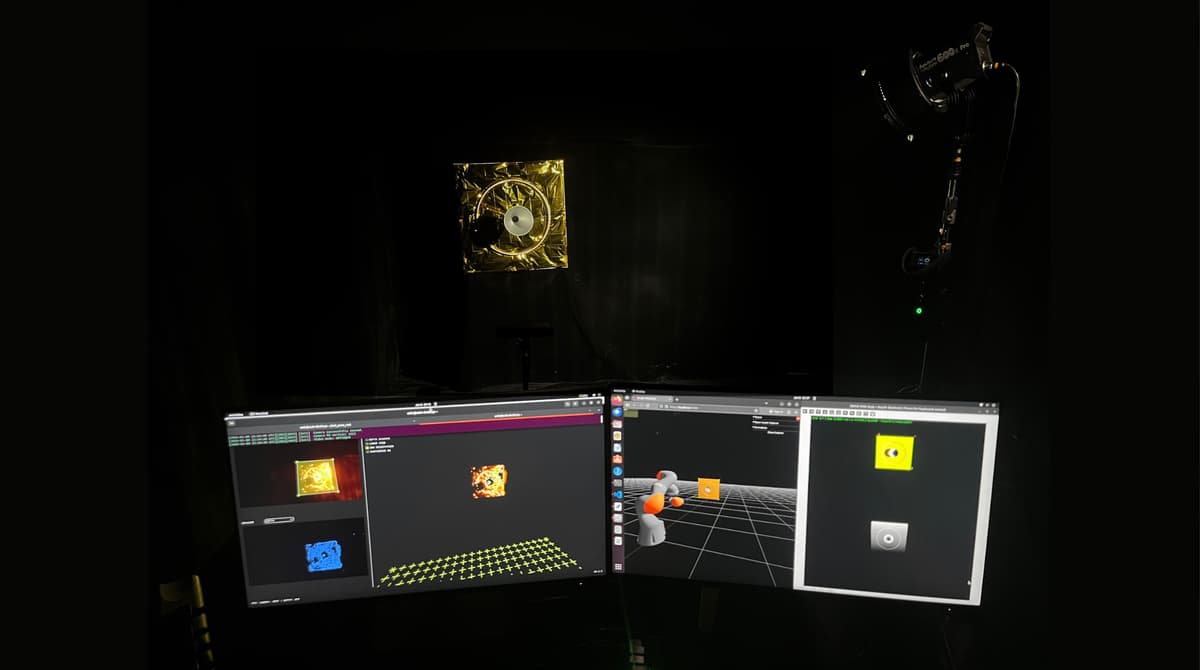
Aule Space’s technical blueprint centers on a compact “jetpack” that latches onto a satellite’s engine nozzle, using computer‑vision cameras and AI‑driven image processing to navigate and dock without expensive radar or lidar sensors. By leveraging India’s lower labor and manufacturing costs, the startup aims to undercut existing service pricing while maintaining reliability. The upcoming demonstration, featuring two 30‑kilogram test units, will validate the docking algorithm and propulsion control, with launch slated for next year from facilities shared with ISRO’s SPADEX program.
If successful, Aule’s model could attract a diverse client base—from commercial telecom operators seeking to defer costly satellite replacements to Indian defense and space agencies interested in extending mission lifespans. The venture also aligns with India’s broader push to nurture deep‑tech startups, offering investors a tangible entry point into the burgeoning space‑economy ecosystem. Looking ahead, the same platform could be adapted for debris removal or orbital transfer services, positioning Aule Space as a versatile player poised to capture a sizable share of a market projected to reach billions of dollars within the decade.
Indian startup Aule Space enters satellite servicing market
0
Comments
Want to join the conversation?
Loading comments...