Inside SatEnlight’s Spiral Staircase of Lasers: Interview with Startup Space Winner Matteo Vismara
Why It Matters
The breakthrough could accelerate high‑capacity satellite links, giving Europe a competitive edge in the burgeoning space‑communications market.
Key Takeaways
- •SatEnlight's terminal stacks multiple laser beams in a spiral staircase architecture
- •Co‑founder Matteo Vismara left CERN research for a private optical communications startup
- •The company won SATShow’s 10th Annual Startup Space pitch competition
- •Vismara credits a concise slide‑deck tip for securing investor interest
- •The technology could set new standards for space‑based optical data links
Pulse Analysis
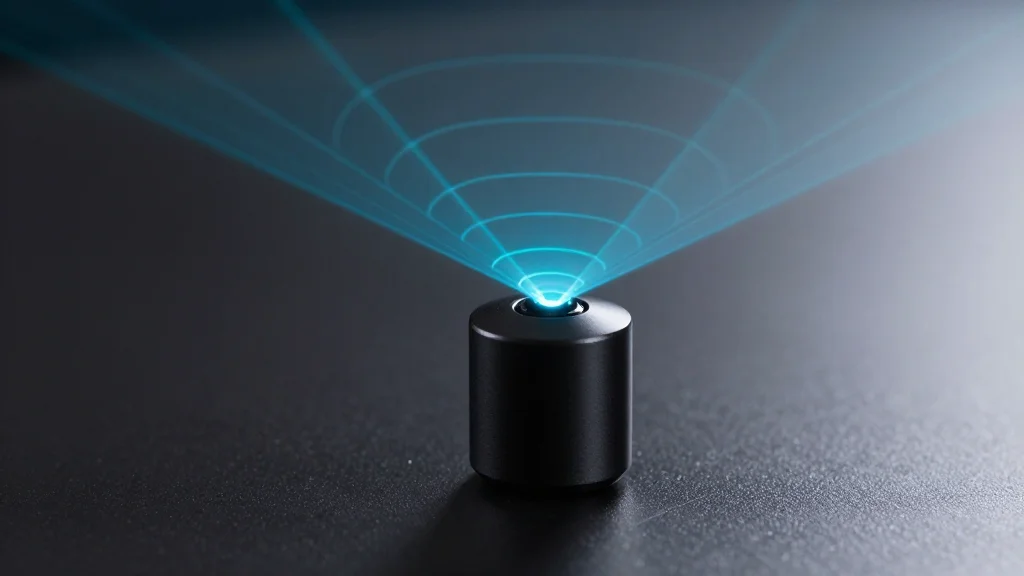
Optical communications are rapidly becoming the backbone of next‑generation satellite networks, promising terabit‑per‑second data rates that traditional radio‑frequency links cannot match. SatEnlight’s novel terminal, which layers laser beams in a spiral‑staircase geometry, tackles the core challenge of beam alignment and power efficiency. By multiplexing several narrow‑band lasers, the system can deliver higher throughput while reducing the size, weight, and power demands of space‑qualified hardware—key metrics that satellite operators evaluate when selecting payloads for low‑Earth‑orbit constellations.
The company’s founder, Matteo Vismara, brings a rare blend of high‑energy physics expertise from CERN and entrepreneurial drive. His decision to abandon a near‑guaranteed university tenure for a risky startup underscores a broader shift among European researchers seeking commercial impact. Winning SATShow’s Startup Space competition not only validated the technology but also demonstrated the importance of concise storytelling; Vismara credits a single slide‑deck tip that distilled complex physics into a clear value proposition, a lesson for deep‑tech founders aiming to attract venture capital.
Europe’s space sector stands to benefit from home‑grown optical solutions that can compete with U.S. and Asian incumbents. If SatEnlight’s terminal achieves the projected performance, it could set a new benchmark for inter‑satellite links and ground‑to‑satellite backhaul, enabling faster broadband services and more resilient data pathways. The ripple effect may spur further investment in laser‑based payloads, accelerate standard‑setting bodies’ adoption of optical protocols, and reinforce Italy’s legacy of cutting‑edge space research as a catalyst for commercial innovation.
Inside SatEnlight’s Spiral Staircase of Lasers: Interview with Startup Space Winner Matteo Vismara
Comments
Want to join the conversation?
Loading comments...