Companies Mentioned

Why It Matters
Accelerating mission cadence lowers costs, keeps talent engaged, and secures U.S. strategic advantage in lunar and Mars exploration.
Key Takeaways
- •Commercial spacecraft can cut planetary mission cost tenfold.
- •Fixed‑price contracts accelerate development and reduce risk.
- •SIMPLEx and Explorer programs need regular funding cycles.
- •High‑bandwidth communications essential for Mars sample return.
- •Industry‑led Mars Telecommunications Orbiter could launch by 2031.
Pulse Analysis
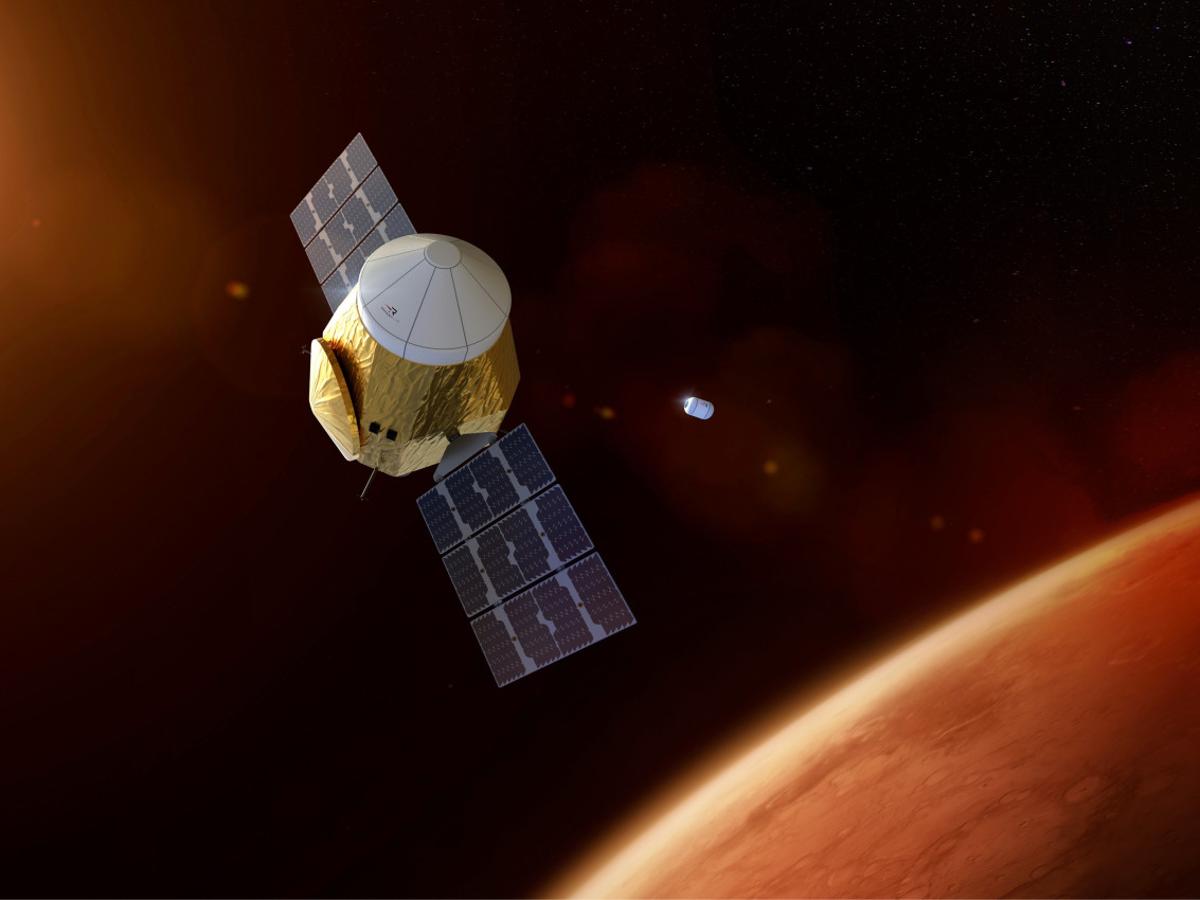
The commercial space sector has matured to a point where it can undercut traditional government‑run planetary missions on both price and schedule. Rocket Lab’s rapid delivery of the ESCAPADE dual‑spacecraft mission—moving from concept to launch in just three and a half years—illustrates how fixed‑price, risk‑tolerant contracts empower lean, researcher‑led teams. By treating spacecraft as products rather than bespoke projects, the industry can replicate decadal‑class science across multiple missions, keeping the pipeline full and the talent pool active.
To translate this capability into a sustainable exploration cadence, policy makers must revamp funding and procurement structures. Programs like NASA’s SIMPLEx and the broader Explorer series were designed for high‑frequency, low‑cost science but have stalled due to budget uncertainty and legacy cost‑plus contracts. Regular, predictable calls for proposals, coupled with firm‑fixed‑price agreements and streamlined decision‑making, would align incentives across universities, industry, and NASA, allowing missions to progress from contract to launch within 24‑30 months.
Infrastructure remains the final piece of the puzzle. High‑bandwidth, low‑latency communications are essential for both robotic science and future human missions, particularly for a timely Mars Sample Return. A commercial Mars Telecommunications Orbiter, built under a fixed‑price contract, could provide the necessary data link by 2031 at a fraction of the $11 billion, 20‑year cost of the current plan. Delivering this capability, alongside a steady stream of affordable planetary missions, would cement U.S. leadership and demonstrate that commercial partners can reliably drive the next era of space exploration.
Interplanetary science needs a commercial backbone
0
Comments
Want to join the conversation?
Loading comments...