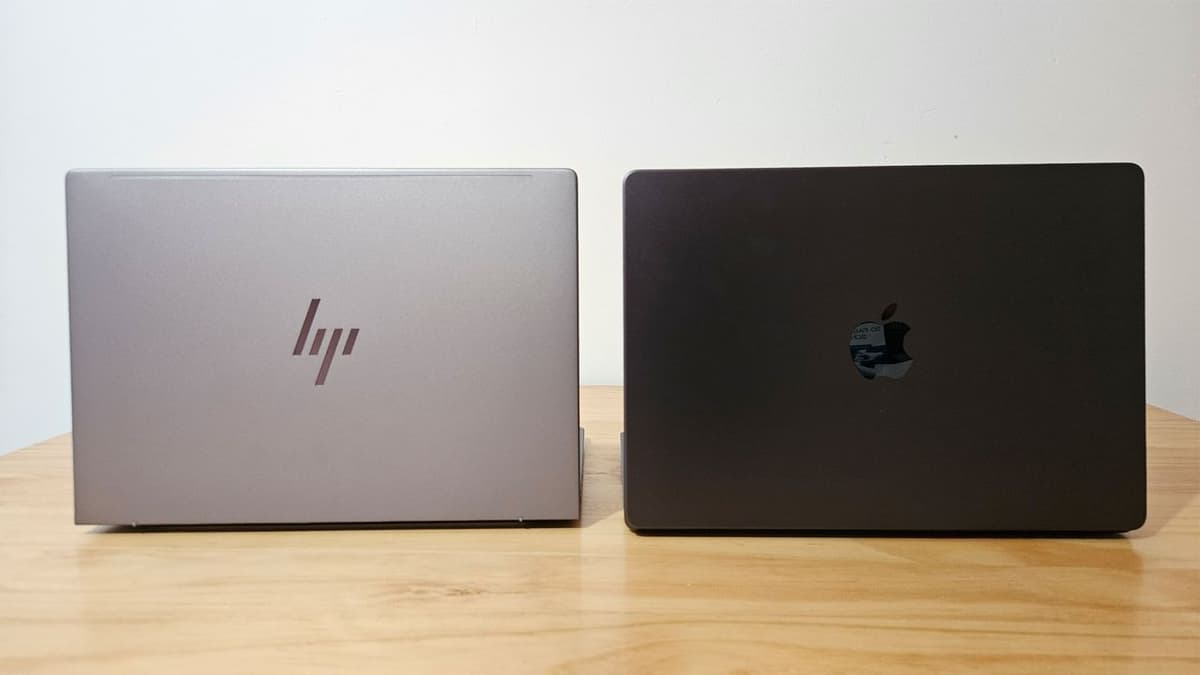
Is a MacBook or Windows Laptop Better for Astrophotography?
•January 30, 2026
0
Companies Mentioned


Why It Matters
The decision influences image quality, processing speed, and overall productivity, shaping how quickly astrophotographers can turn raw captures into publishable results.
Key Takeaways
- •Windows laptops offer broader hardware customization options.
- •MacBooks provide optimized software ecosystem for image processing.
- •High-end GPUs accelerate stacking and noise reduction tasks.
- •Budget constraints often favor Windows machines.
- •Portability and battery life differ between platforms.
Pulse Analysis
Astrophotography has moved from niche hobby to a rapidly expanding segment of the consumer imaging market, driven by affordable sensors and cloud‑based data sharing. Photographers now demand laptops that can handle raw FITS files, long‑exposure stacking, and real‑time preview without overheating. The decision between a MacBook and a Windows‑based notebook therefore hinges on processing power, thermal design, and software ecosystem rather than brand loyalty alone. Understanding how each platform aligns with the workflow of stacking, calibration, and post‑processing is essential for maximizing image quality and efficiency.
Windows laptops dominate the hardware spectrum, offering a wide range of CPUs from Intel Core i7 to AMD Ryzen 9 and discrete GPUs such as NVIDIA RTX 3060 or 4070. This flexibility translates into faster stacking algorithms in programs like DeepSkyStacker and AstroPixelProcessor, which can leverage CUDA cores for noise reduction. MacBooks, especially the M‑series, rely on unified memory and Apple's Metal framework, delivering impressive single‑core performance and energy efficiency that benefits Lightroom and Photoshop workflows. However, some niche astrophotography tools still lack native macOS support, requiring virtualization or alternative software.
Budget is often the decisive factor; entry‑level Windows ultrabooks can be purchased for under $1,000, while comparable MacBook Air models start around $1,200 and lack dedicated GPUs. For professionals who need sustained high‑frame rendering and future‑proofing, a Windows workstation with upgradeable RAM and storage remains the most cost‑effective route. Conversely, creators who prioritize a seamless, low‑maintenance environment may accept the premium for a MacBook’s build quality and integrated display calibration. Ultimately, matching the laptop’s specifications to the photographer’s workflow and financial constraints determines long‑term satisfaction.
Is a MacBook or Windows laptop better for astrophotography?
0
Comments
Want to join the conversation?
Loading comments...