Is It Legal to Own, Buy, or Sell Apollo Mission Moon Rocks and Lunar Samples?
•February 28, 2026
0
Why It Matters
The prohibition safeguards a priceless scientific and cultural heritage while preventing fraud and illegal trafficking in a high‑value market.
Key Takeaways
- •Apollo moon rocks are government property, illegal to sell
- •Only certified researchers can access samples via NASA loan program
- •2002 theft of 8 kg moon rocks led to eight‑year sentence
- •Federal statutes §641, §668, §2314/15 criminalize trafficking
- •Lunar meteorites differ: can be privately owned
Pulse Analysis
The legal framework surrounding Apollo lunar samples is rooted in federal statutes that treat the rocks as cultural heritage and government property. 18 U.S.C. § 641 criminalizes theft of any government-owned item, while § 668 extends protection to objects of historic significance, and §§ 2314‑2315 add interstate trafficking penalties for stolen goods over $5,000. These laws create a clear prohibition against private ownership, distinguishing NASA‑curated material from naturally fallen lunar meteorites, which can be bought and sold without violating federal law.
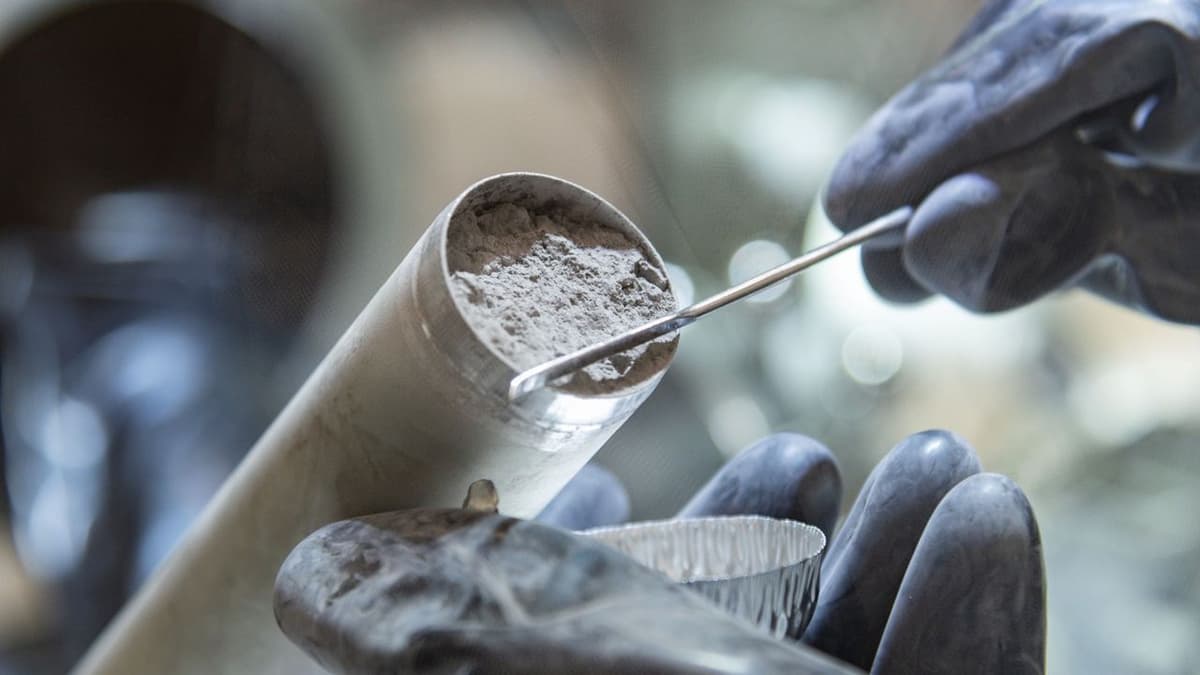
NASA’s Lunar Sample Laboratory Facility, operating since 1979, preserves 842 pounds of moon rocks in nitrogen‑purged glove boxes to prevent contamination. The recent unboxing of a sealed Apollo 17 core after five decades illustrates the ongoing scientific value of these samples; researchers continue to extract new data on lunar geology and planetary formation. Access remains tightly controlled: qualified scientists and educators must complete NASA’s certification workshop, adhere to strict handling protocols, and return any material for re‑curation, ensuring the integrity of the collection while fostering legitimate research.
Despite the clear legal prohibitions, the allure of moon rocks fuels a black‑market niche, with scammers posting listings on e‑commerce sites. Understanding the legal risks—felony charges, hefty fines, and prison sentences—helps deter illicit trade and protects buyers from fraud. As public interest in space heritage grows, clear communication of these regulations and the availability of legitimate loan programs will be essential for preserving the scientific legacy and maintaining market confidence.
Is it legal to own, buy, or sell Apollo mission moon rocks and lunar samples?
0
Comments
Want to join the conversation?
Loading comments...