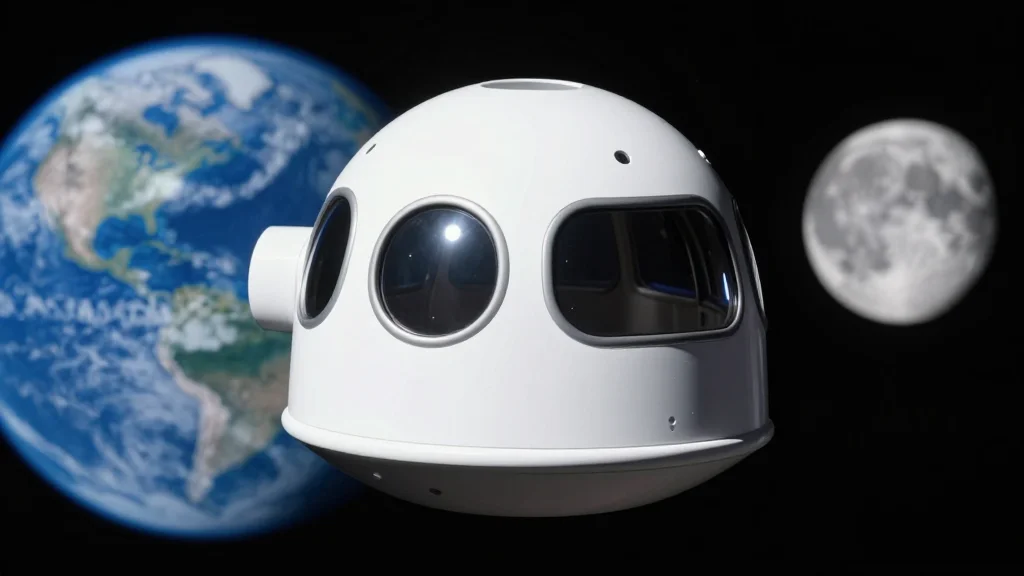
Isaacman: Chinese Taikonauts Likely to Fly Around Moon in 2027
Companies Mentioned

Why It Matters
China’s near‑term lunar orbit mission threatens U.S. leadership in crewed deep‑space exploration and could reshape international partnerships and funding priorities.
Key Takeaways
- •China aims for a crewed lunar flyby by 2027, per NASA chief
- •U.S. Artemis III now focuses on Earth‑orbit docking tests
- •China’s step‑by‑step approach mirrors Apollo’s incremental milestones
- •Accelerated SLS launch cadence is critical to meet 2027 timeline
Pulse Analysis
China’s lunar ambitions have moved from a 2030 landing target to a 2027 crewed flyby, reflecting a rapid escalation in its human‑spaceflight capabilities. The China Manned Space Agency has demonstrated a methodical progression—four uncrewed missions before its first taikonaut in 2003, followed by a series of space‑station modules—mirroring the incremental strategy that propelled the United States to the Moon in the 1960s. By aligning the International Lunar Research Station partnership with Russia and planning a series of preparatory flights, Beijing is positioning itself to capture global attention the same way Artemis II did in 2026, potentially redefining the narrative of who can operate in the lunar environment.
For NASA, Isaacman’s remarks trigger a strategic pivot. Artemis III, originally slated as a direct lunar landing, now resembles an Apollo 9‑style Earth‑orbit test, validating rendezvous and docking between Orion and commercial Human Landing Systems from SpaceX and Blue Origin. This shift buys time for the development of the Starship HLS and Blue Moon Mark 2 while emphasizing the need for a higher launch cadence of the Space Launch System. A “partial” wet‑dress rehearsal by year‑end signals an intent to compress the schedule, but the success of these tests will hinge on the readiness of the commercial landers and the reliability of SLS operations.
The broader industry impact is significant. A Chinese crewed lunar flyby in 2027 would end the United States’ exclusive claim to human lunar circumvention, potentially spurring renewed investment in deep‑space technologies and international collaboration. U.S. policymakers may feel pressure to accelerate funding for Artemis, while commercial partners could see increased demand for rapid‑turnaround launch services and lunar‑surface capabilities. Ultimately, the emerging dual‑track competition could accelerate innovation, lower costs, and reshape the geopolitical landscape of space exploration.
Isaacman: Chinese Taikonauts Likely to Fly Around Moon in 2027
Comments
Want to join the conversation?
Loading comments...