Isaacman Says Blue Origin Launch Complex May Not Return to Service Until 2028
Companies Mentioned

Why It Matters
The prolonged outage delays Blue Origin’s entry into heavy‑lift markets and could create a capacity shortfall for NASA’s lunar and deep‑space missions. Competitors such as SpaceX and ULA stand to capture the lost launch slots.
Key Takeaways
- •New Glenn hot‑fire test exploded, destroying Launch Complex 36 infrastructure.
- •NASA projects launchpad restoration completion no earlier than 2028.
- •Blue Origin's inaugural New Glenn flight likely postponed past 2029.
- •Commercial launch capacity gap may benefit SpaceX and United Launch Alliance.
- •Repair costs could exceed $200 million, straining Blue Origin's budget.
Pulse Analysis
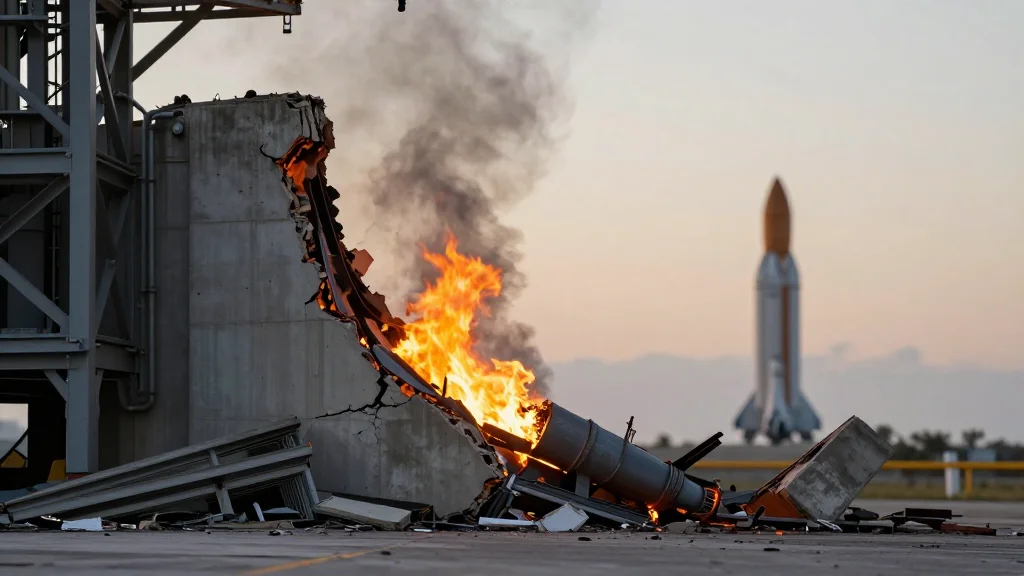
The Thursday hot‑fire test of Blue Origin’s New Glenn rocket ended in a dramatic fireball that ripped through Launch Complex 36, a historic pad used for Atlas and Titan missions. While the exact cause remains under investigation, early assessments point to a propulsion anomaly that ignited the vehicle’s first stage. The blast not only damaged the concrete pad and flame‑deflector but also compromised nearby service structures, prompting NASA to issue a cautious timeline that stretches the pad’s return to service to 2028.
For Blue Origin, the incident reshapes an already aggressive development schedule. The company had aimed to certify New Glenn for commercial payloads by the late 2020s, positioning it against SpaceX’s Starship and ULA’s Vulcan. A 2028 pad reopening pushes the inaugural flight likely beyond 2029, eroding its competitive edge in the burgeoning heavy‑lift market. NASA, which relies on commercial launch providers for lunar Artemis missions and deep‑space cargo, now faces a potential shortfall in launch capacity, forcing the agency to re‑evaluate contracts and possibly allocate more slots to established players.
Financially, rebuilding the pad will run into the hundreds of millions of dollars, a figure that could strain Blue Origin’s cash flow amid its broader portfolio of space tourism and satellite ventures. The cost pressure may accelerate partnerships or cost‑sharing arrangements with the U.S. Space Force, which owns the facility. Meanwhile, rivals such as SpaceX and ULA stand to benefit from the temporary vacuum, capturing launch contracts that would have gone to New Glenn. In the long term, the incident underscores the high‑risk nature of heavy‑lift development and may prompt stricter safety protocols across the commercial space sector, influencing how future launch systems are tested and certified.
Isaacman Says Blue Origin Launch Complex May Not Return to Service Until 2028
Comments
Want to join the conversation?
Loading comments...