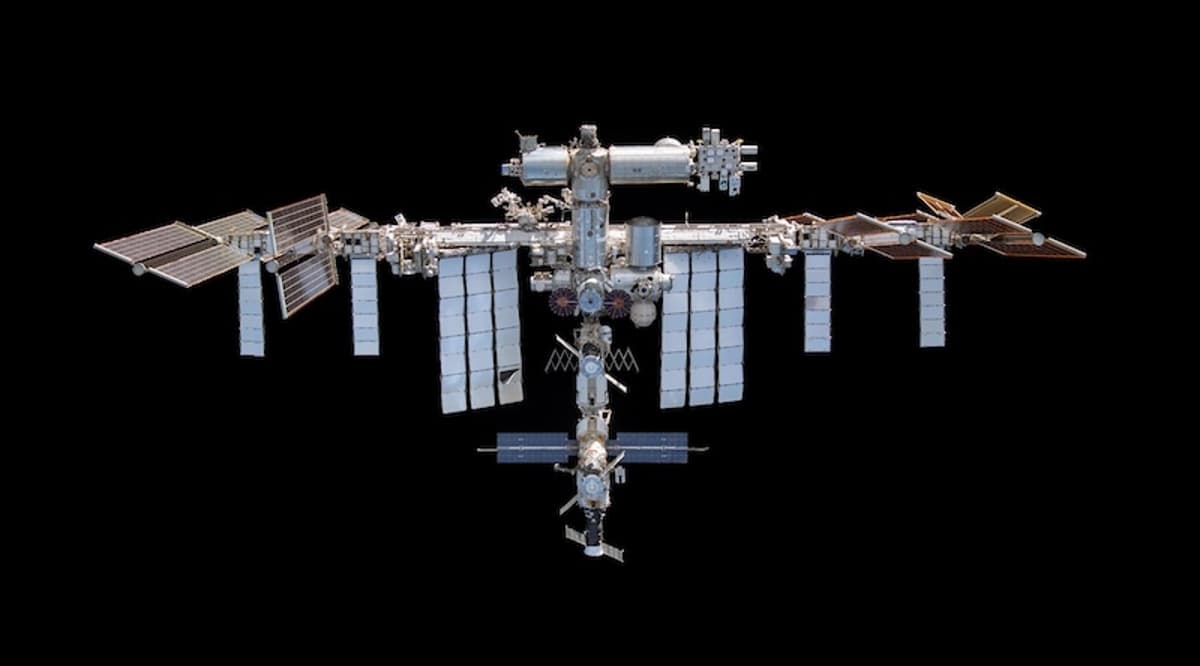
ISS National Lab Launches Orbital Edge Accelerator with up to $750,000 per Startup and ISS Flight Access
Why It Matters
By pairing substantial capital with unique microgravity testing, the accelerator de‑risks deep‑tech commercialization and gives venture investors a clear validation signal, accelerating market entry for breakthrough technologies.
Key Takeaways
- •Up to $750k funding per startup plus ISS flight access.
- •Six startups selected; applications close May 26.
- •In‑orbit testing saves years versus ground labs.
- •Prior ISS alumni raised over $2.7B collectively.
- •Program targets robotics, AI, biotech, manufacturing, materials, infrastructure.
Pulse Analysis
The International Space Station is evolving from a scientific outpost into a commercial research platform, and the Orbital Edge Accelerator formalizes that transition. By allocating up to $750,000 per company and guaranteeing flight slots, the ISS National Lab removes two of the biggest barriers for deep‑tech founders: high‑cost launch logistics and the credibility gap with investors. The program’s structure—combining venture capital, hands‑on mentorship, and post‑flight commercialization services—creates a turnkey pathway that mirrors terrestrial incubators while leveraging the unique physics of microgravity.
For startups in robotics, artificial intelligence, advanced manufacturing, materials science, biotechnology, and space infrastructure, the accelerator offers a shortcut that can shave months or even years off product development. In‑orbit experiments provide data that cannot be replicated on Earth, accelerating validation and reducing the risk of costly redesigns. The program’s track record is compelling: more than 110 companies have already flown on the ISS, collectively raising over $2.7 billion after participation. The most recent cohort secured between $1 million and $10 million in funding before their scheduled flights, underscoring how orbital validation acts as a strong signal to venture capitalists.
The broader implication for the space economy is a democratization of access to low‑Earth‑orbit testbeds. As more private entities seek to commercialize space‑derived technologies, accelerators like Orbital Edge could become a standard part of the venture pipeline, prompting traditional incubators to partner with orbital platforms. This shift may also influence policy, encouraging regulators to streamline licensing for commercial payloads. Ultimately, the accelerator not only fuels individual startup growth but also accelerates the maturation of an entire ecosystem where space‑based R&D drives next‑generation products across multiple industries.
ISS National Lab launches Orbital Edge accelerator with up to $750,000 per startup and ISS flight access
Comments
Want to join the conversation?
Loading comments...