Companies Mentioned


Why It Matters
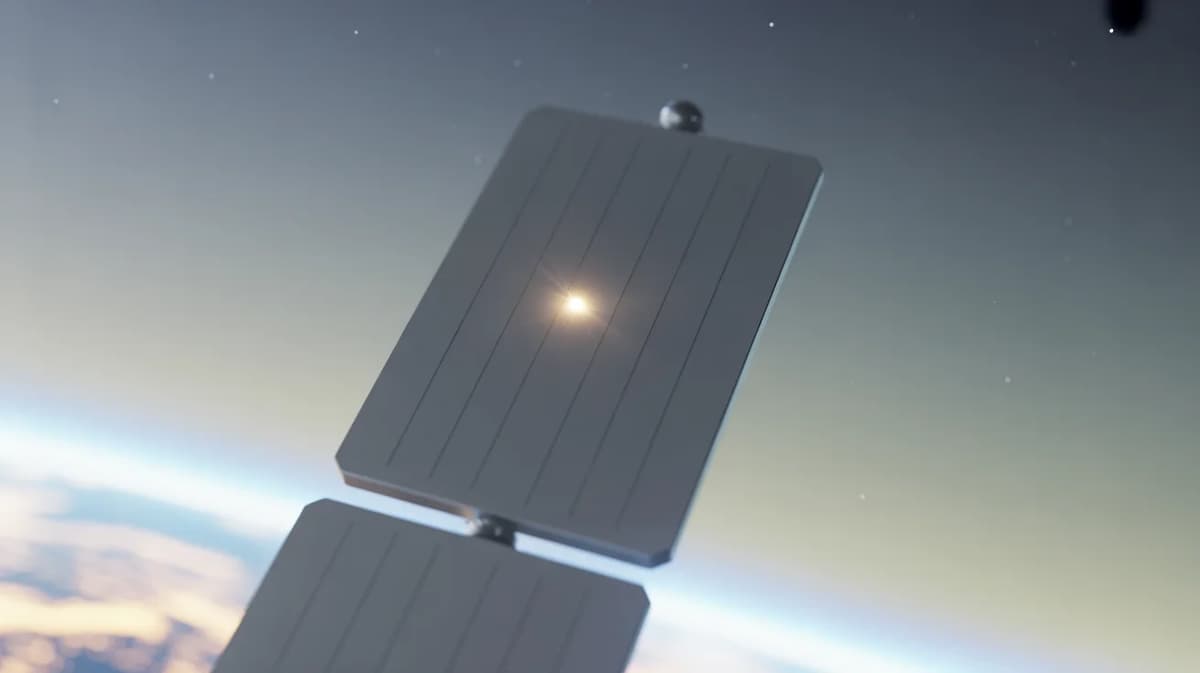
The micro‑meteoroid hit underscores the vulnerability of operational satellites, prompting tighter debris‑tracking protocols, while the Apollo 8 book provides fresh public insight into a pivotal human spaceflight era.
Key Takeaways
- •Spanish comms satellite damaged by high‑speed micro‑meteoroid.
- •Sputnik re‑entered Earth on Jan 5, 1958 after month of signals.
- •Spirit rover landed Jan 5, 2004; mission lasted over six years.
- •"Genesis" chronicles Apollo 8, now available ebook, audiobook, print.
- •Autographed copies $60 hardback, $45 paperback, plus shipping.
Pulse Analysis
The recent micro‑meteoroid impact on a Spanish communications satellite serves as a stark reminder that even tiny particles traveling at orbital speeds can jeopardize multi‑billion‑dollar assets. Operators are increasingly turning to advanced shielding materials and real‑time debris monitoring to mitigate such threats, while insurers reassess risk models for low‑Earth‑orbit constellations. This incident adds pressure on international bodies to enhance space‑environment stewardship and share collision data more transparently.
January 5 also carries symbolic weight in space history. In 1958, the world’s first artificial satellite, Sputnik, burned up on re‑entry after a month of pioneering transmissions, marking the end of the Cold War’s inaugural space race chapter. Six decades later, NASA’s Spirit rover touched down in Gusev Crater, beginning a mission that would outlast its planned 90‑day timeline by more than six years. These anniversaries reinforce how early milestones continue to inform contemporary exploration strategies, from long‑duration rover autonomy to sustainable orbital operations.
Against this backdrop, "Genesis: the Story of Apollo 8" offers readers a fresh narrative of humanity’s first voyage beyond low‑Earth orbit. By combining a newly written introduction with a foreword from space historian Valerie Anders, the book bridges academic rigor and popular appeal. Its multi‑format release—ebook, audiobook, and limited‑edition autographed print—caters to diverse consumption preferences and reflects a broader trend of monetizing historic space content through digital channels. For professionals tracking market opportunities in space‑related publishing, the title exemplifies how legacy missions can be repackaged for modern audiences.
January 5, 2026 Quick space links
0
Comments
Want to join the conversation?
Loading comments...